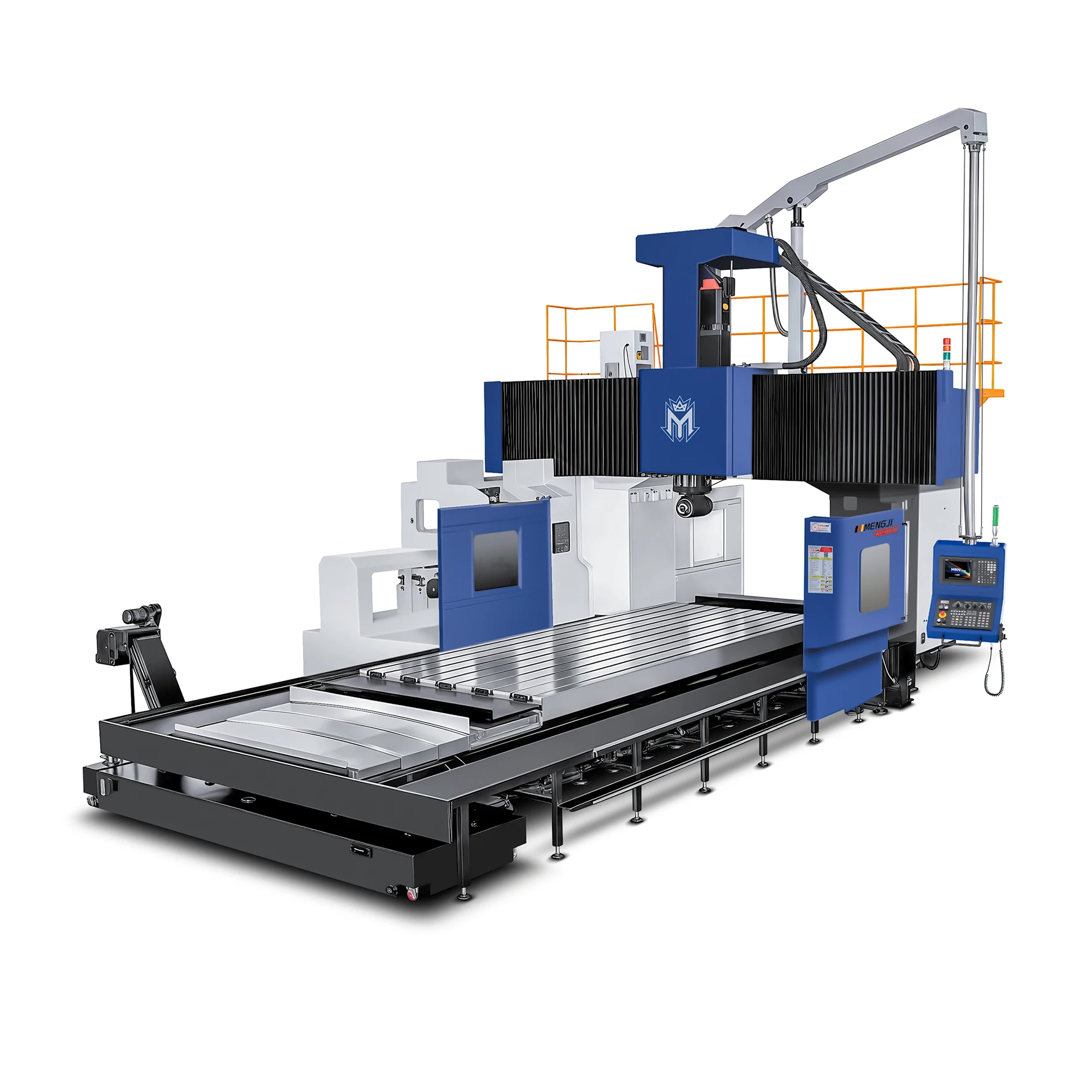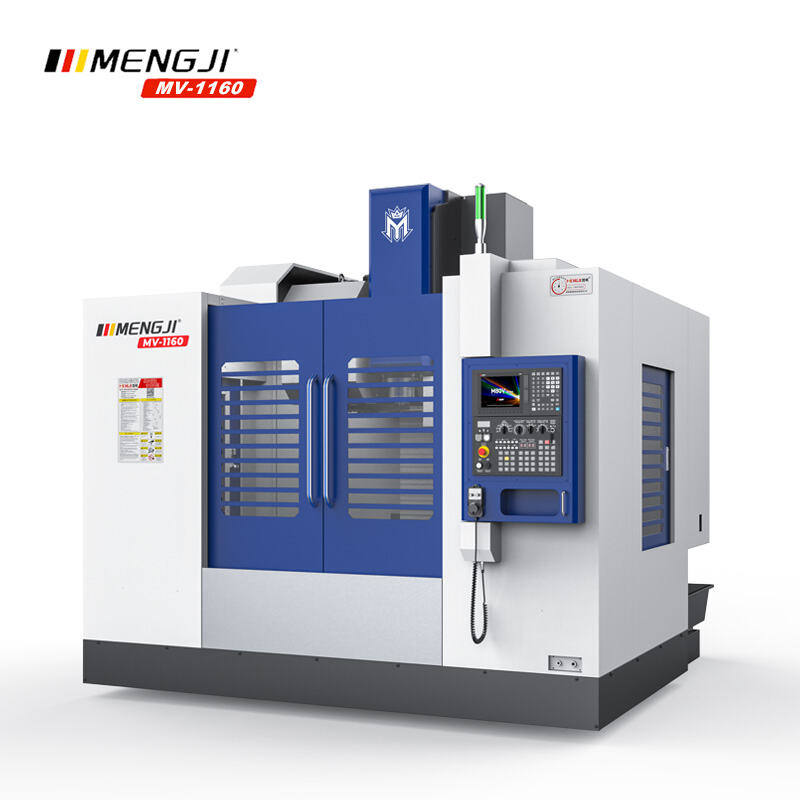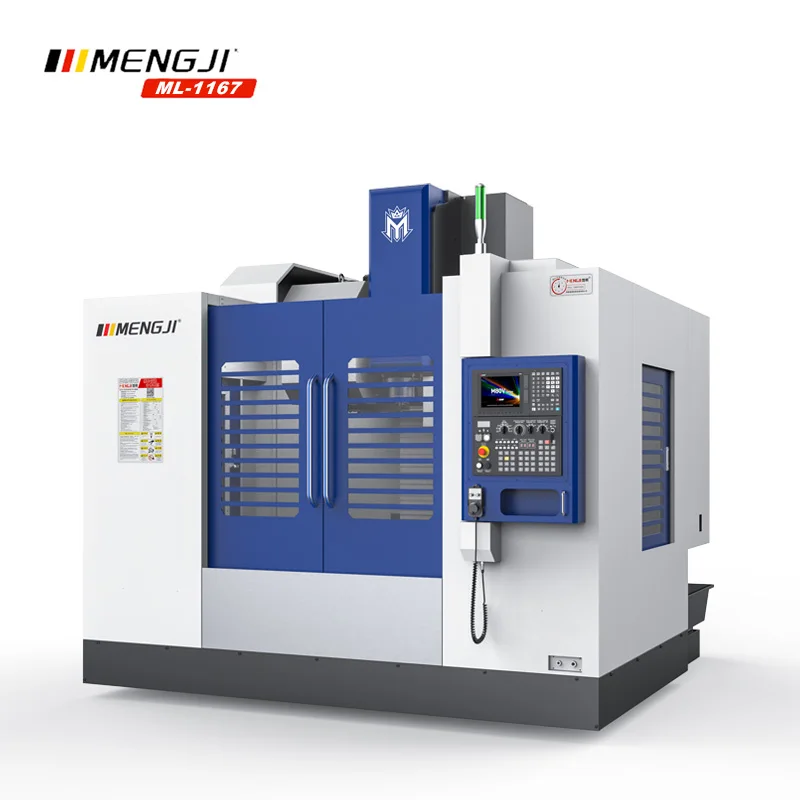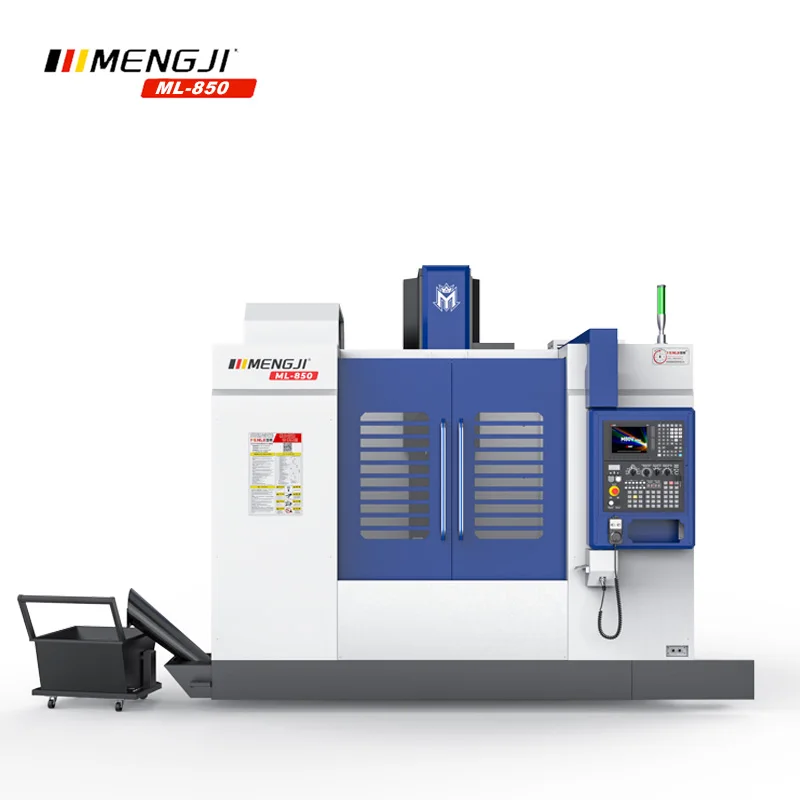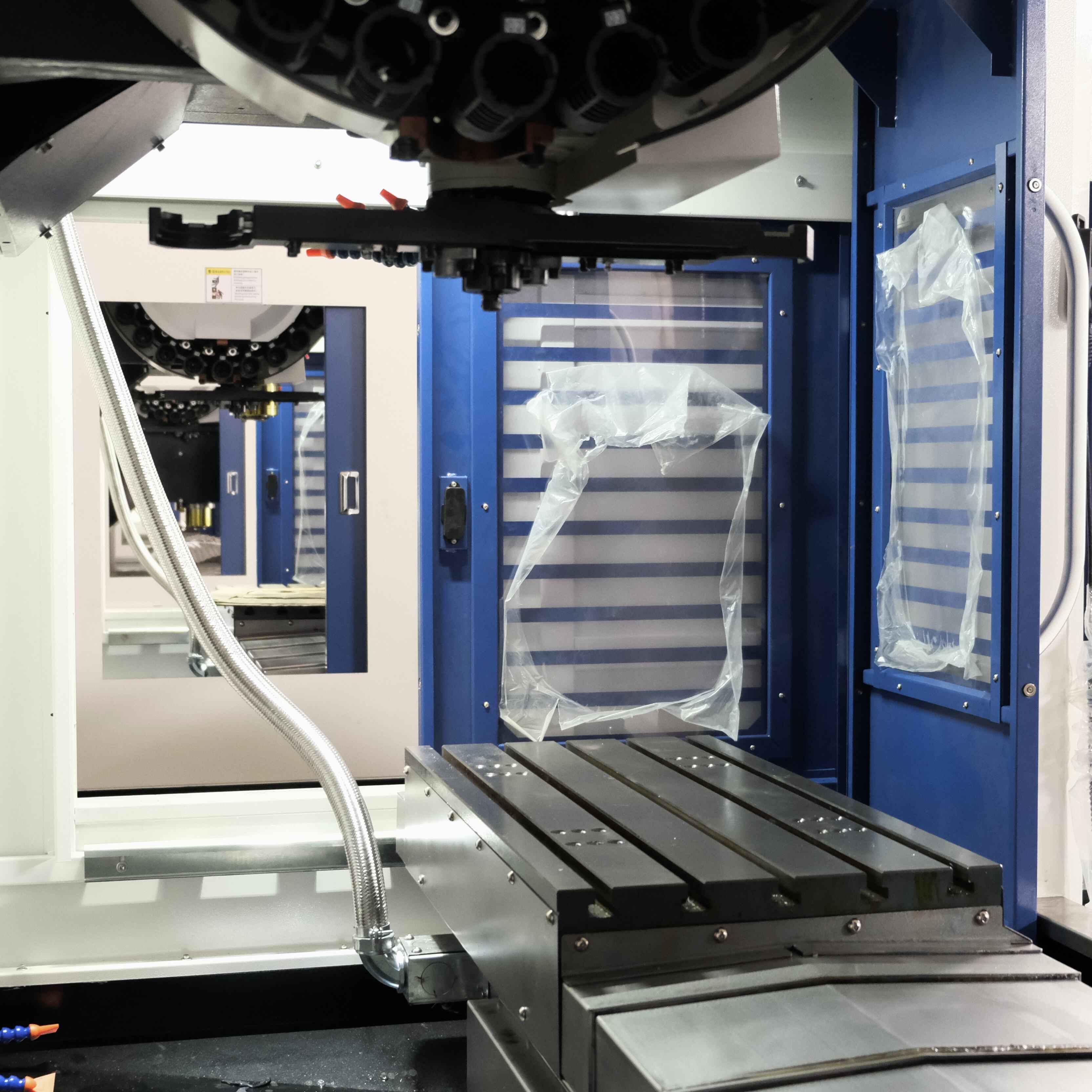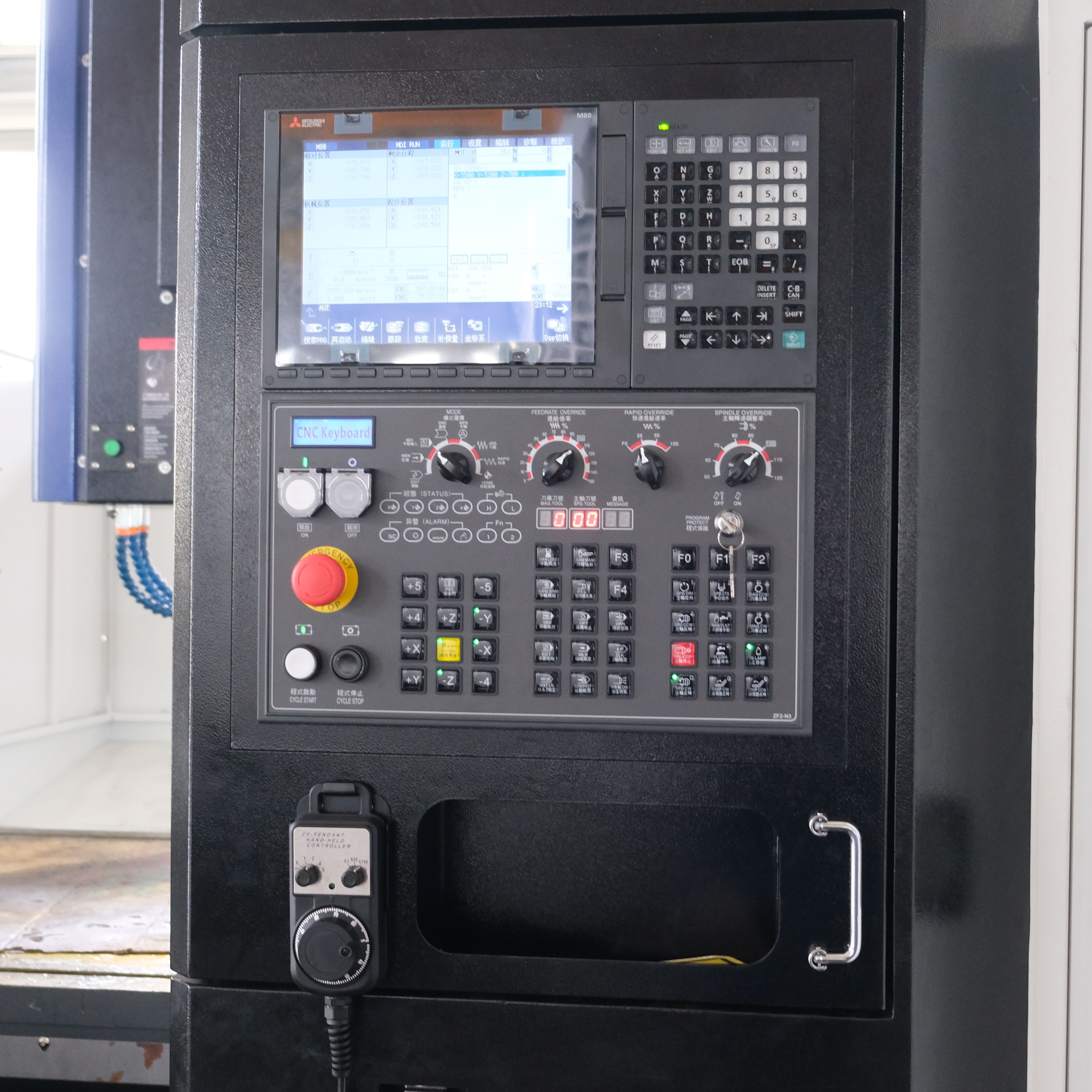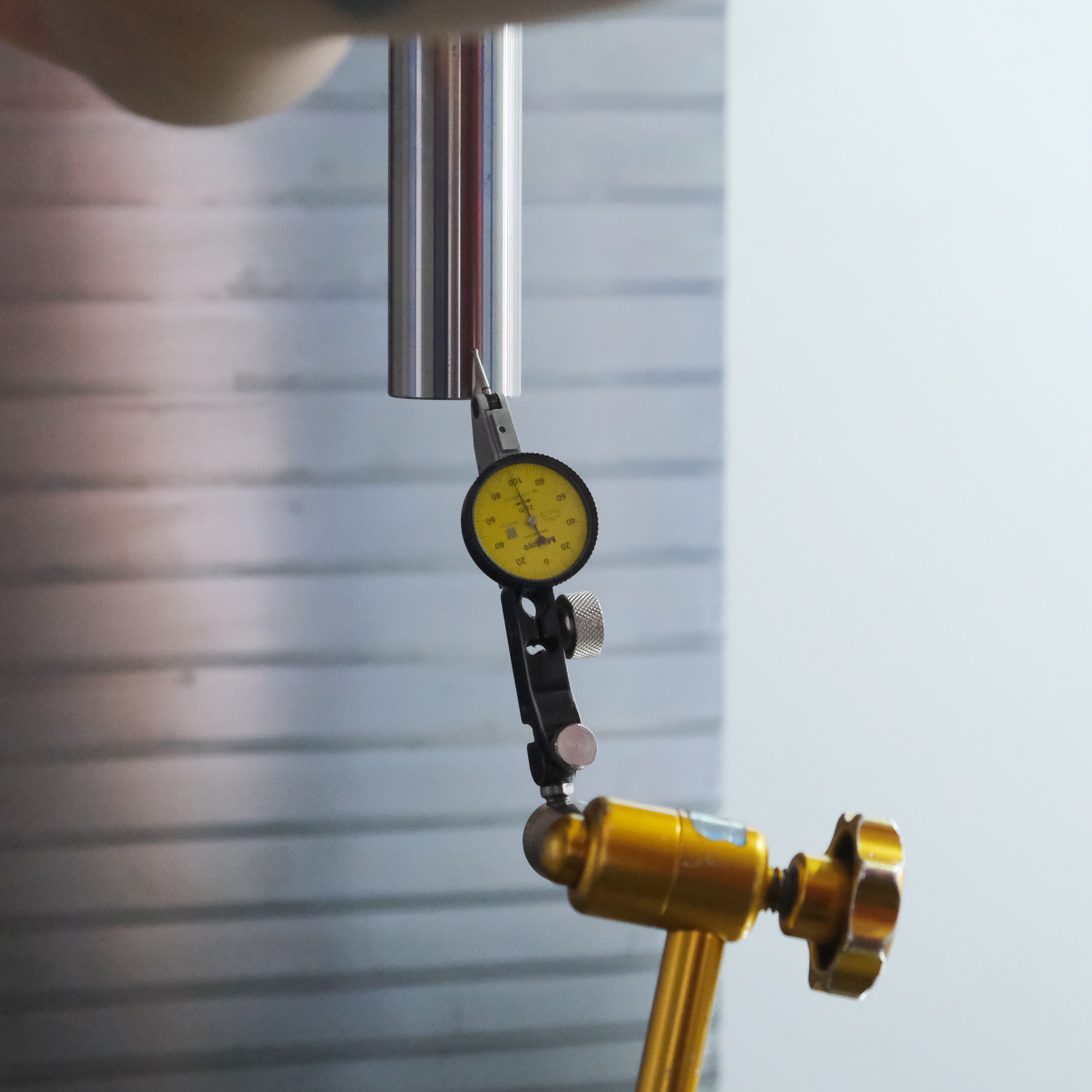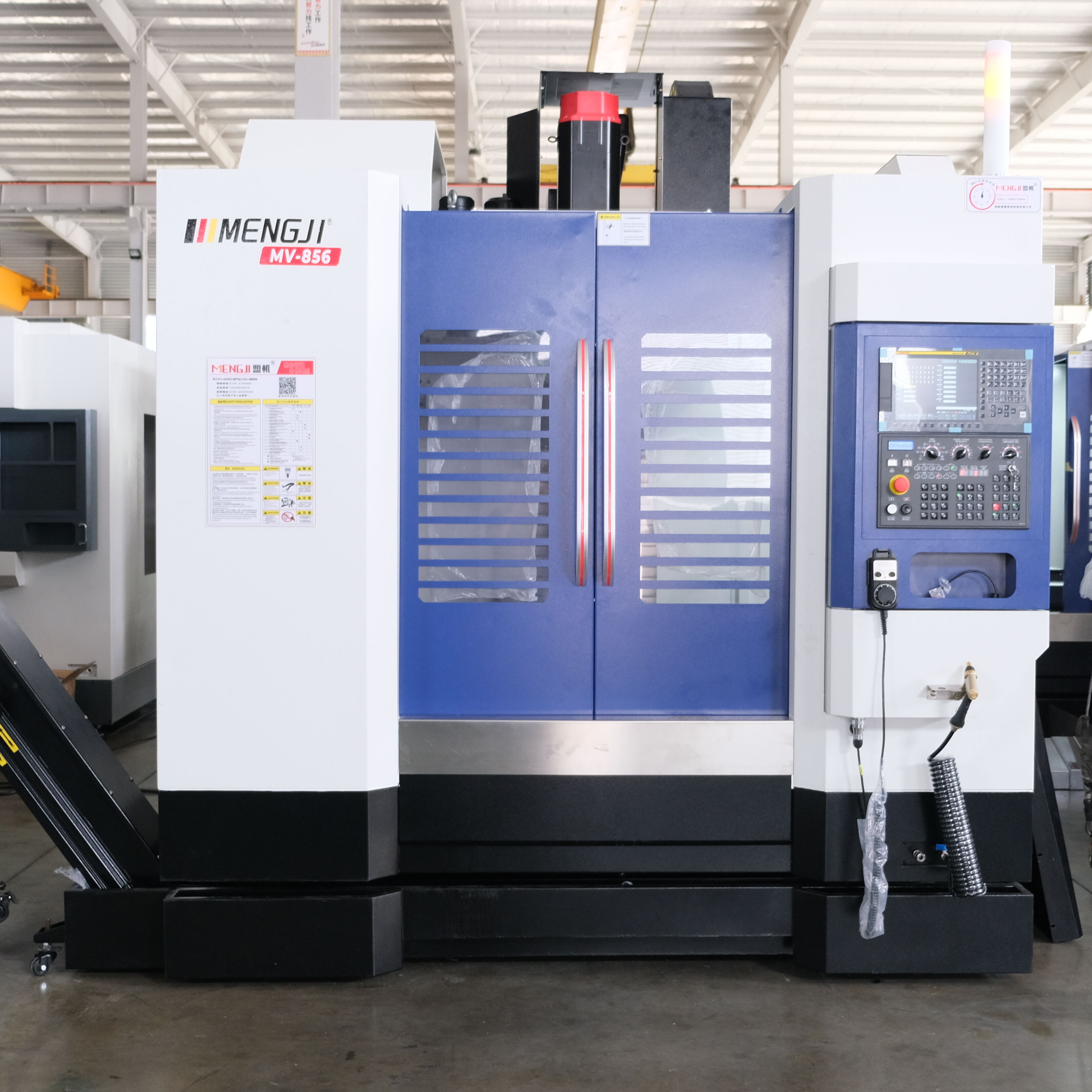
Multi-axis CNC machines encompass a broad category of advanced manufacturing equipment capable of coordinated movement along more than three axes, significantly expanding geometric capabilities beyond conventional three-axis machining. These sophisticated systems include 4-axis machines that add a single rotational axis (typically A or B) for indexing or continuous motion, 5-axis machines that incorporate two rotational axes for full contouring capability, and even more complex configurations with additional axes for specialized applications. The fundamental advantage of multi-axis technology lies in its ability to approach the workpiece from multiple directions in a single setup, enabling machining of complex geometries, deep cavities, undercuts, and compound angles that would be impossible with simpler equipment. This capability dramatically reduces production time by eliminating multiple fixturing operations and associated cumulative errors while improving overall accuracy through maintained datum consistency. Multi-axis machining also facilitates the use of shorter, more rigid cutting tools, which minimizes vibration and enables higher quality surface finishes. The technology finds essential application across aerospace (for structural components and turbine blades), automotive (for molds and prototypes), medical (for implants and surgical instruments), and energy sectors (for complex valve bodies and turbomachinery components). Modern multi-axis machines incorporate advanced features including thermal compensation systems, vibration damping technologies, and sophisticated CNC controls with enhanced processing capabilities for smooth, simultaneous movement across all axes. The programming complexity requires specialized CAM software and skilled technicians, but the resulting manufacturing flexibility, precision, and efficiency make multi-axis CNC technology indispensable for advanced component manufacturing.
Our professional sales team is always ready to assist you.