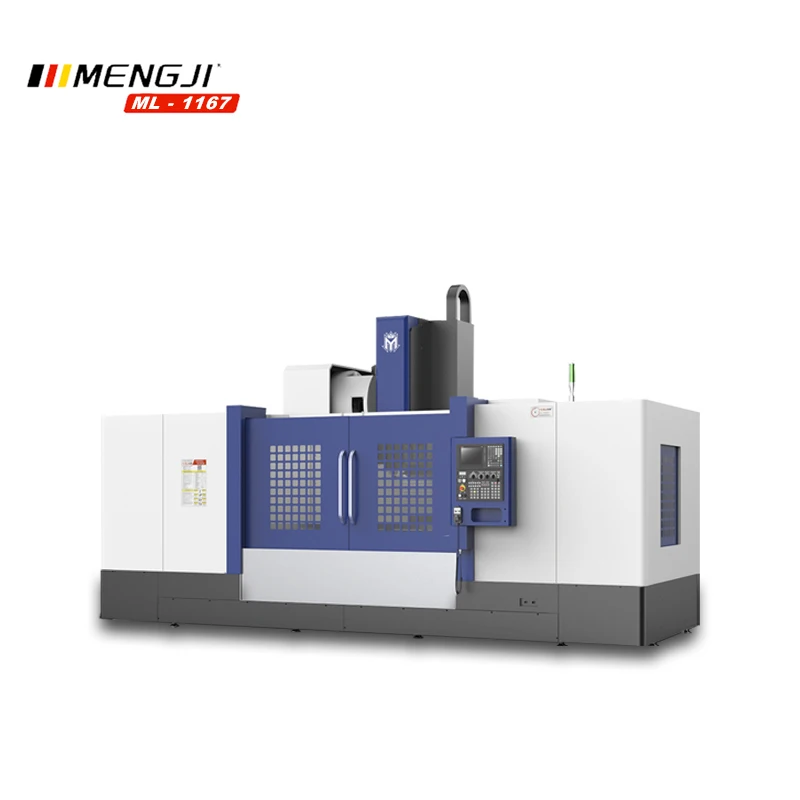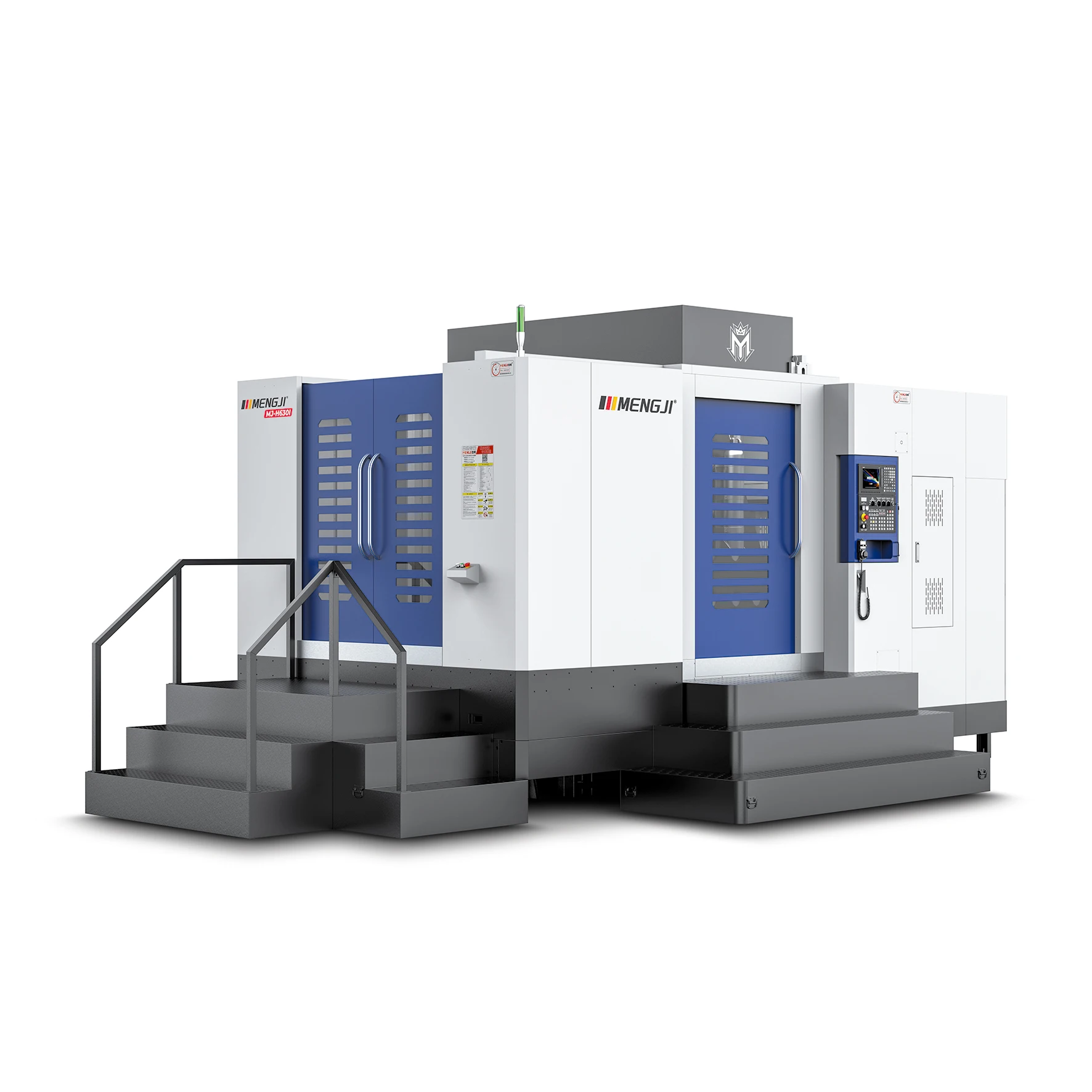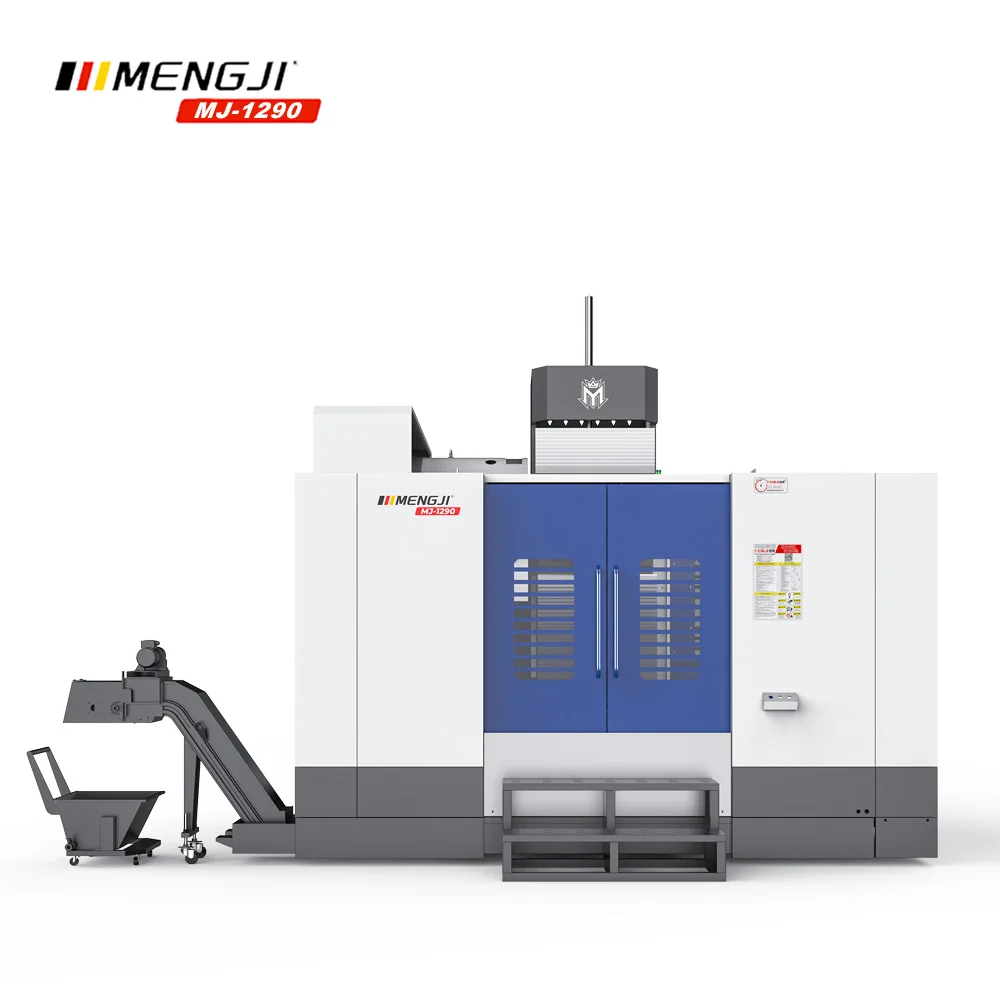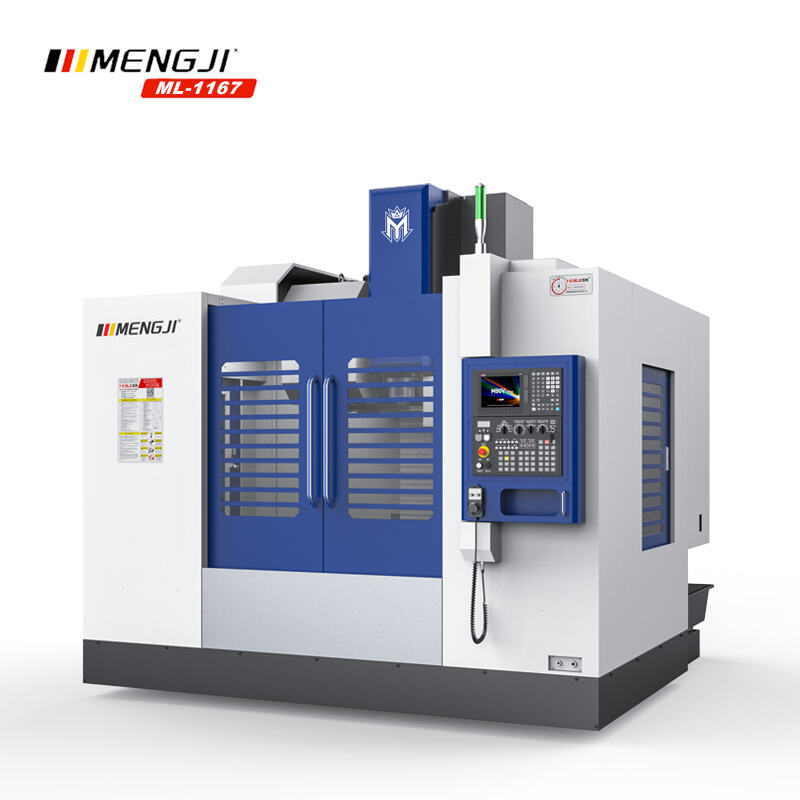
A vertical lathe, more formally known as a Vertical Turning Center (VTC) or vertical boring mill, is a specialized machine tool designed for machining large-diameter, heavy, or short workpieces that are challenging to handle on conventional horizontal lathes. Its defining characteristic is a vertically oriented spindle, meaning the workpiece is mounted on a horizontal rotating table (the chuck) and the cutting tools approach from the vertical direction. This configuration provides several significant advantages for large-part machining. The vertical arrangement offers exceptional stability, as the weight of the workpiece is directly supported by the massive machine bed and table, minimizing deflection during cutting operations. This inherent rigidity allows for more aggressive metal removal rates while maintaining precision. Furthermore, the vertical design greatly simplifies the loading and unloading of massive components. Overhead cranes can place parts directly onto the table without the complex manipulation often required for horizontal lathes. Vertical lathes typically feature a robust cross-rail construction that carries the tool turrets, which can move vertically along the rail (Z-axis) and horizontally across it (X-axis). Modern vertical lathes often incorporate live tooling capabilities, allowing for milling, drilling, and tapping operations to be performed in addition to traditional turning, facing, and boring. They are indispensable for manufacturing large rings, flanges, gear blanks, turbine components, and other substantial rotational parts in industries such as energy, heavy equipment, aerospace, and marine engineering.
Our professional sales team is always ready to assist you.