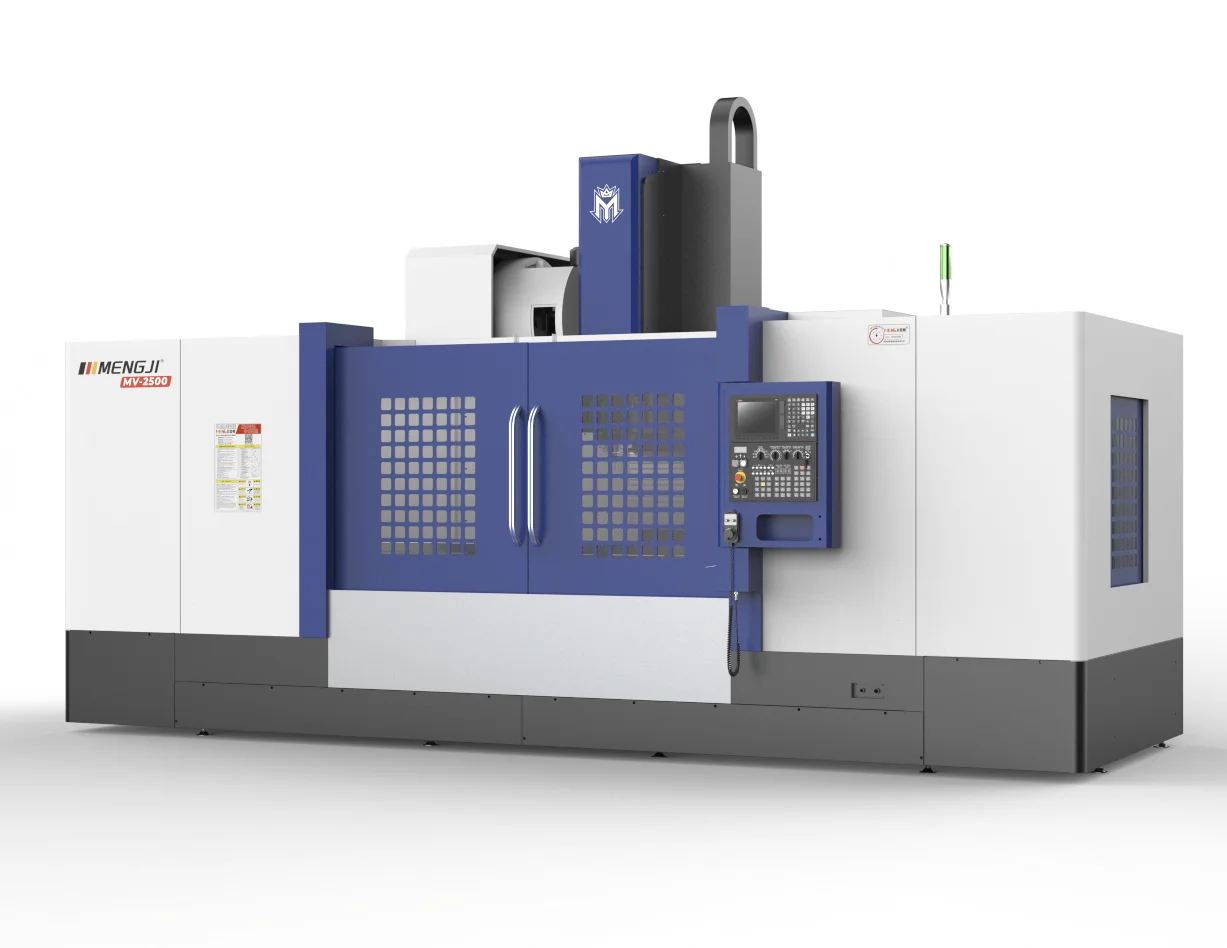
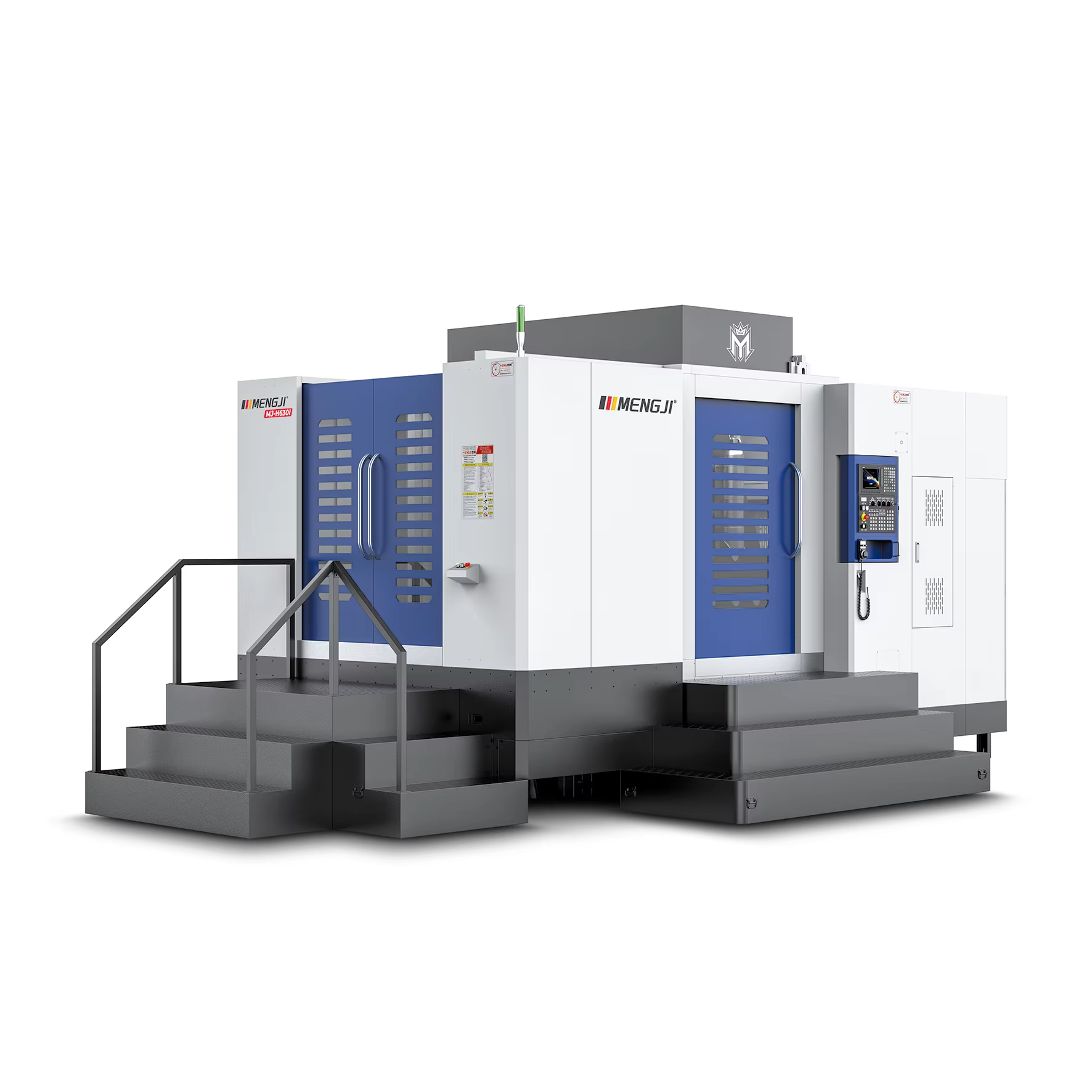
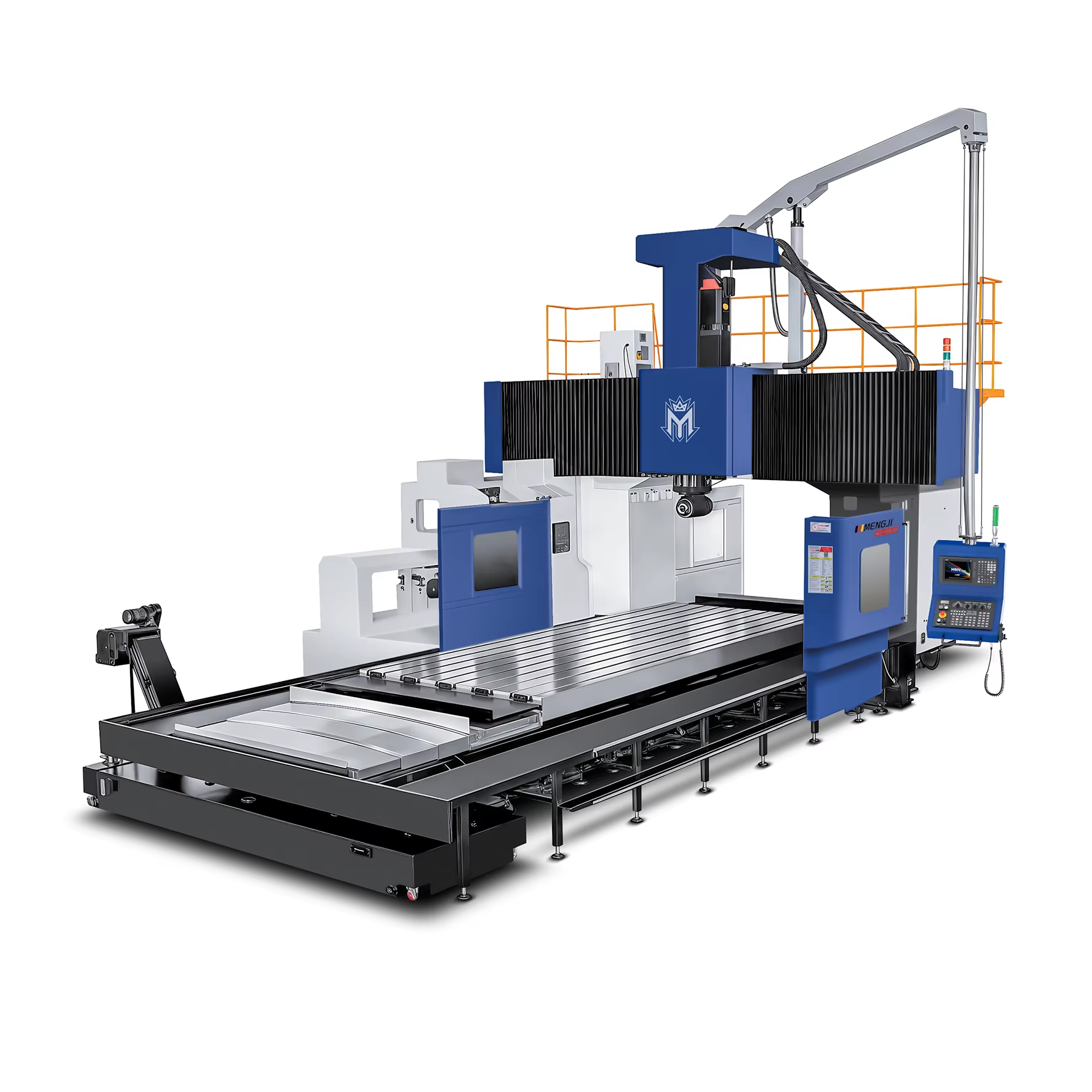
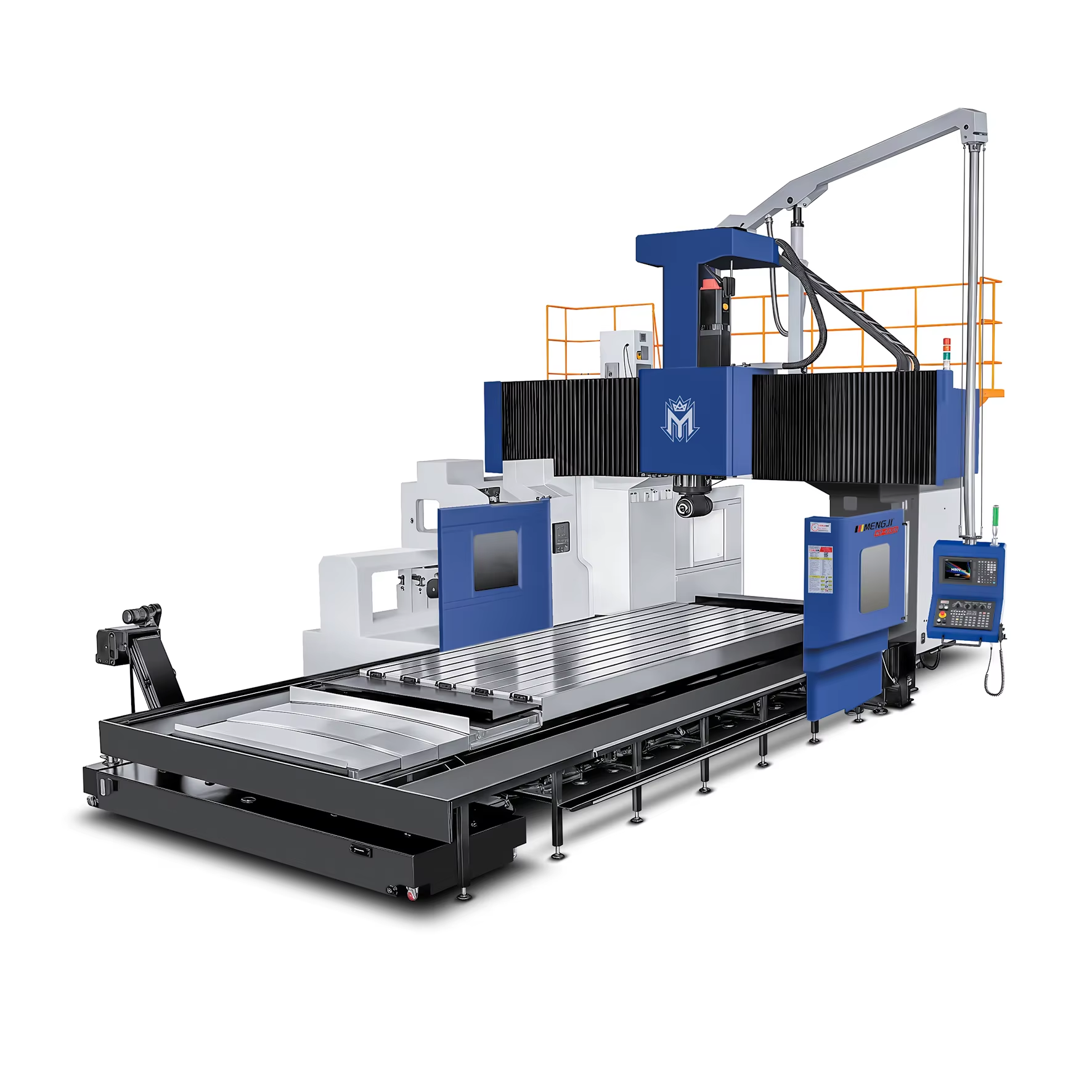
The term "mill lathe CNC" describes integrated manufacturing systems that combine milling and turning capabilities within a single CNC platform, typically referring to multi-tasking machines or mill-turn centers. This technology represents a significant evolution beyond standalone milling machines or lathes by enabling complete part processing in a single setup. The fundamental architecture incorporates a rotating spindle that provides traditional turning functionality while integrating powered rotary tools that perform milling operations, effectively merging two distinct manufacturing processes into one seamless operation. This integrated approach eliminates the need for transferring workpieces between separate machines, reducing handling errors, setup times, and cumulative tolerance stack-up. Modern mill lathe CNC systems often feature dual spindles – a main spindle and opposing sub-spindle – that allow for automatic part transfer and complete machining of both ends in a single cycle. The inclusion of live tooling, C-axis control for precise angular positioning, and Y-axis capability for off-center milling operations transforms these machines into comprehensive manufacturing cells. This technology is particularly valuable for producing complex components such as medical implants requiring both turned diameters and milled flats, automotive components with cross-holes and special profiles, and aerospace fittings demanding high precision across multiple geometric features. The programming complexity requires advanced CAM software and skilled technicians, but the resulting manufacturing efficiency, improved accuracy, and reduced total production time make mill lathe CNC systems indispensable for high-value component manufacturing across advanced industrial sectors.
Our professional sales team is always ready to assist you.