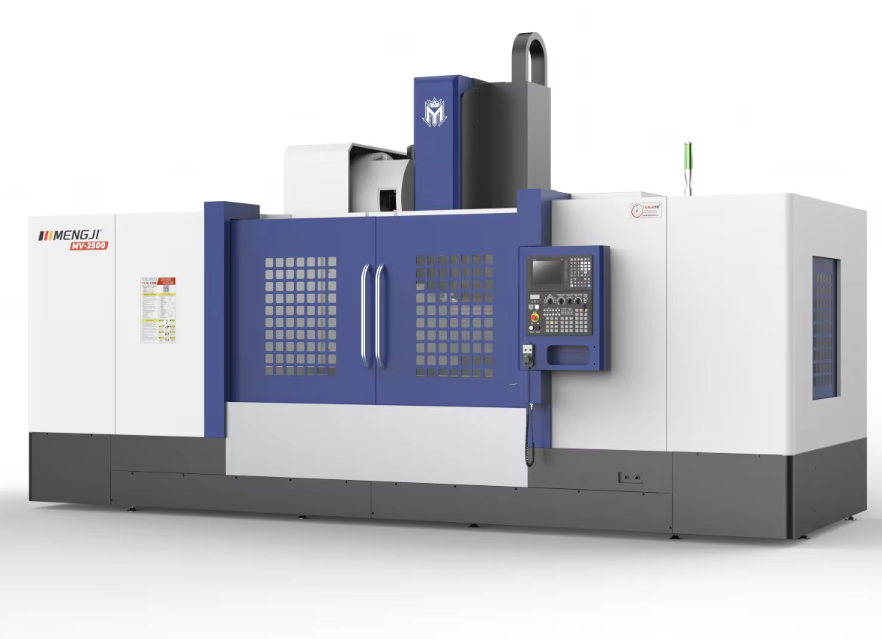
Key Cost Drivers in Precision CNC Machining Center Acquisition
How machine size, axis configuration (3-axis vs. 5-axis), accuracy specs, material compatibility, and brand influence purchase price
The cost of precision CNC machining centers can swing wildly depending on what specs are needed. Big machines meant for things like aerospace work or tough industrial jobs need extra strong bases and support structures, which typically makes them 15 to 25 percent pricier than smaller benchtop versions. How many axes a machine has makes a huge difference in price too. Basic 3-axis systems usually start around sixty grand for simple shapes, whereas full blown 5-axis industrial models will set someone back at least half a million dollars. These higher end machines handle complicated curves and can work multiple surfaces at once without needing so many fixtures. Getting tighter tolerances matters a lot too. Machines that can hit plus or minus .0001 inches instead of just .001 require special parts like laser calibrated scales, air bearings, and really stable cast iron frames. What materials get machined affects the bottom line as well. Equipment designed for tough stuff like titanium or Inconel needs stronger builds, bigger torque spindles, and better cooling systems, often costing thirty to eighty thousand dollars more than setups optimized for aluminum. Established manufacturers charge anywhere from 20 to 35 percent extra, though it's not just about the brand name. Shops that run these machines day in and day out know they need reliable equipment, good support when something breaks down, and machines that meet those ISO 230-2 standards for performance testing.
Price benchmarks by application tier: hobbyist, mid-range professional, and industrial-grade precision CNC machining centers
Application requirements define clear pricing tiers for precision CNC machining centers:
| Tier | Price Range | Capabilities | Typical Use Cases |
|---|---|---|---|
| Hobbyist/Education | $2,000–$50,000 | Basic CNC functions, smaller work envelopes, limited automation | Prototyping, academic labs, small-batch design validation |
| Mid-Range Professional | $50,000–$200,000 | Advanced tool changers, integrated probing, medium-volume repeatability | Job shops, R&D facilities, medical device contract manufacturing |
| Industrial Precision | $200,000+ | Multi-axis simultaneous machining, micron-level accuracy, full automation readiness | Aerospace structural components, orthopedic implants, turbine blades |
The price tag on industrial 5 axis systems for critical tasks like making turbine blades or impellers usually runs past half a million dollars. At around the hundred grand mark, most shops opt for professional grade 3 axis machines when working on molds and dies. These setups prioritize rigidity and temperature control over needing all five axes of movement. When companies shell out for those top end systems, they get more than just better precision. They also gain automation features such as automatic tool changers and built in coolant systems. These upgrades cut down on manual labor requirements and keep production running smoothly during high volume manufacturing operations.
Total Cost of Ownership for Precision CNC Machining Centers
Beyond the initial purchase price, precision CNC machining centers incur substantial hidden expenses that significantly impact long-term budgets. A comprehensive TCO analysis reveals critical financial considerations across two phases: installation and ongoing operation.
Upfront hidden costs: facility modifications, power/coolant infrastructure, tooling, CAM software licensing, and safety systems
When getting ready for production, factories need to invest quite a bit upfront just to get everything set right. Structural work and special floors can cost anywhere between fifteen thousand to fifty thousand dollars alone. Then there are those three-phase power upgrades, plus installing closed loop coolant systems. Safety is another big concern too, so OSHA compliant enclosures with light curtains and proper ventilation become necessary expenses. Don't forget about CAM software licenses either, which typically run another fifteen to forty grand. Tooling packages aren't cheap either, covering things like end mills, various drills, measurement probes, and their holders at around eight to twenty thousand bucks. All told, these costs before actual operation starts usually amount to somewhere between thirty and fifty percent of what the machine itself costs. Industrial setups tend to require even more extensive changes because they have to deal with issues related to weight distribution, vibration control, and maintaining specific environmental conditions throughout the facility.
Ongoing operational expenses: preventive maintenance, spare parts, calibration, depreciation, and technician labor
Sustained operation demands systematic investment in:
- Annual maintenance contracts averaging 5–10% of machine value, covering spindle diagnostics, axis alignment, and firmware updates
- Replacement consumables—including carbide cutters, touch probes, and spindle bearings—often exceeding $15,000/year for high-utilization setups
- Quarterly metrological calibration (per ASME B89.1.12M or ISO 10360 standards) to maintain micron-level accuracy
- Technician labor costs ($60,000–$90,000 annually per certified operator), including programming, setup, and troubleshooting
- Linear depreciation over a typical 7–10 year equipment lifespan
Energy consumption alone can surpass $20,000 yearly for continuous operation. More critically, unplanned downtime from component failures costs manufacturers $500–$2,000 per hour in lost productivity—making predictive maintenance and service responsiveness key ROI levers.
Financial Feasibility and ROI Analysis for Precision CNC Machining Investment
Looking at whether precision CNC machining centers make good financial sense involves checking return on investment across several areas including how much money gets saved on production costs, better product quality, and faster response times to what customers want. According to recent industry forecasts from 2025 research reports, the worldwide market for these machines is expected to hit around 180 billion dollars by the year 2030. This growth shows there's increasing need for parts that need really tight tolerances such as those used in airplane parts and surgical implants. These are exactly the kinds of applications where having super accurate machining gives companies a real edge over competitors. What makes all this worthwhile? Let's look at some of the main factors driving this kind of investment decision.
- Payback Period Optimization: Most industrial systems achieve breakeven within 18–36 months—driven by scrap reduction (often under 0.1% at ±0.0001" tolerances) and 24/7 unmanned operation enabled by pallet changers and lights-out capabilities
- Throughput Value: Automated precision CNC systems increase output by 40–70% versus manual or legacy CNC processes, directly expanding revenue capacity without proportional labor growth
- Quality Cost Reduction: Micron-level accuracy reduces rework, warranty claims, and inspection bottlenecks—cutting quality assurance expenses by 30–50%, according to NIST Manufacturing Extension Partnership case studies
When calculating return on investment strategically, it's important not to forget about what equipment is worth after it's been used for some time. High quality CNC machines tend to hold onto around 35 to 50 percent of their original price tag even after seven full years of operation. Plus there are those tax breaks available through things like accelerated depreciation under IRS Section 179 that can make a real difference. Looking at actual numbers from manufacturers who have upgraded their old machinery to newer precision CNC centers shows something interesting happening too. The average annual return on investment comes out to be between 22 and 28 percent, but this only happens if companies actually take the time to optimize how everything works together throughout the whole implementation process rather than just focusing on getting new equipment purchased.
Operational Readiness Budgeting: Staffing, Training, and Integration Costs
Operator certification, programming training, and internal setup time – quantifying human capital investment in precision CNC machining
Investing in people remains essential when getting precision CNC machining centers up and running properly. Training operators and programmers usually costs between five thousand to fifteen thousand dollars per system. This covers things like reading G-code, optimizing tool paths, avoiding collisions, and following safety rules set by ANSI B11.19 and ISO 13857 standards. Then there's all the internal setup work that takes anywhere from two to eight weeks of tech time. That means losing somewhere around one hundred eighty thousand to six hundred thousand dollars worth of production while everything gets sorted out. The actual costs go way beyond just classroom training too. Companies need to factor in admin work for coordinating programs, developing their own training materials, dealing with reduced efficiency as workers learn new skills, plus regular refreshers to keep certifications current. Anyone planning a machining center rollout should definitely account for these extra expenses if they want realistic budgets and timelines for reaching full productivity levels.