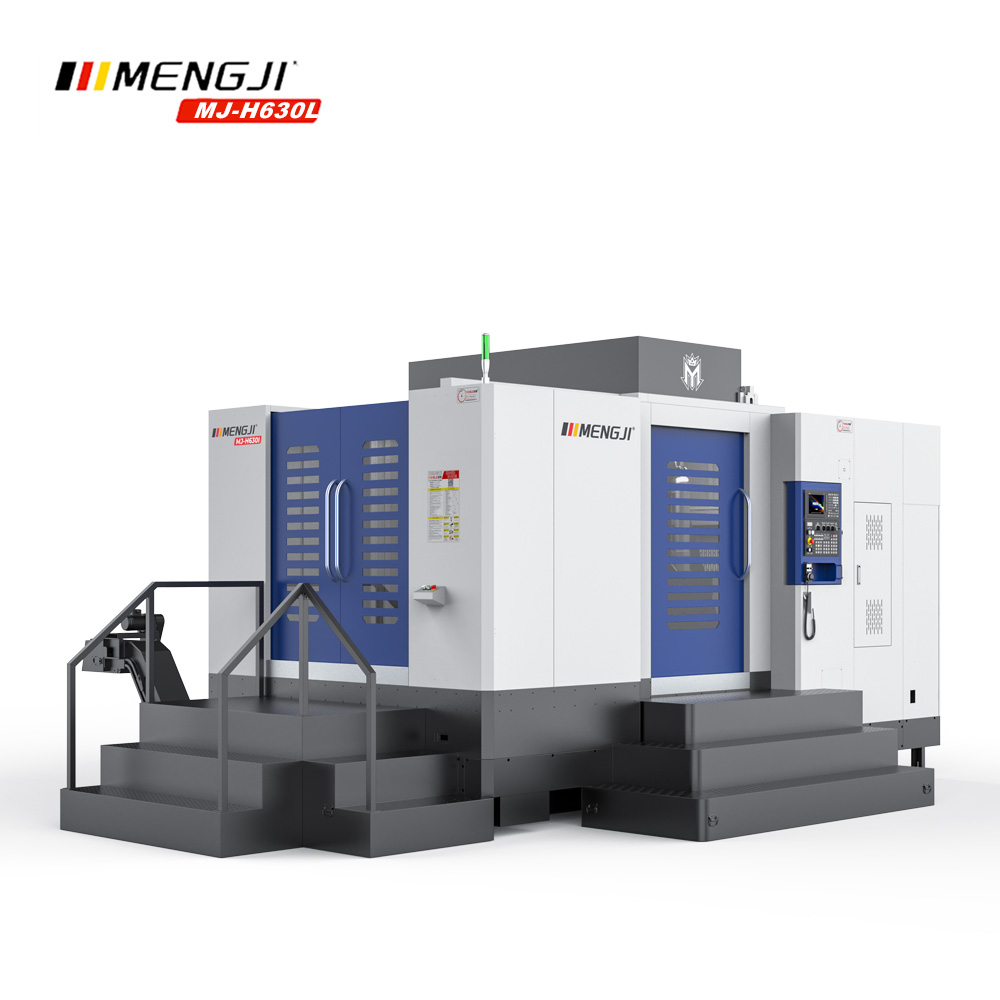
Machine Type, Configuration, and Core Technical Specifications
How Machine Type (CNC Mills, Lathes, Routers) Affects Pricing
The type of CNC machining center directly impacts cost. Basic 3-axis vertical mills start around $50,000, while 5-axis lathes for complex geometries often exceed $250,000. Routers designed for wood or plastics typically cost 40% less than metal-cutting mills due to lower structural rigidity requirements (Machinery Digest 2023).
Axis Count and Work Envelope: Key Drivers in Cost Variation
Axis count significantly influences complexity and price:
- 3-axis systems: $65,000–$120,000
-
5-axis machines: $180,000–$500,000+
Larger work envelopes also increase costs—a 24" x 48" milling center is 25% cheaper than a 40" x 80" model, as bigger frames require reinforced castings and higher-torque motors.
Spindle Power and Its Influence on Performance and Price
High-torque spindles (20+ hp) carry a 30–50% premium over standard 10 hp units but enable 80% faster aluminum machining. For titanium alloys, liquid-cooled 15,000 RPM spindles add $45,000–$75,000 to base prices while reducing tool wear by 60% (Precision Manufacturing Journal 2024).
Price Ranges by Category: Entry-Level vs. High-End CNC Systems
| Category | Typical Cost | Key Features |
|---|---|---|
| Entry-Level | $40,000–$90,000 | 3-axis, ¤10 hp, basic controllers |
| Mid-Range | $95,000–$200,000 | 4/5-axis, 15 hp, tool changers |
| High-End | $210,000–$600,000 | 5+ axis, 30+ hp, AI optimization |
Custom Configurations and Multi-Tasking CNC Machines Premium
Integrated milling-turning centers with robotic loading incur 55–70% cost increases over standard models. Multi-task machines combining grinding and laser etching can reach $850,000 but reduce production steps by 80% for aerospace components.
Part Complexity, Precision Requirements, and Machine Capability Alignment
Complexity of designs and part geometry as cost factors
Complex geometries with undercuts, thin walls (<0.5 mm), or deep cavities increase programming time and toolpath complexity by 35–50%, according to the 2024 Machining Complexity Report. These features often require specialized tooling and 5-axis CNC capabilities, raising machining costs by 20–40%. Advanced fixturing and higher operator skill levels further extend setup times.
Precision, tolerance, and surface finish requirements
Parts requiring ±0.001" tolerances need machines equipped with thermal compensation and vibration-dampening structures, adding $15,000–$50,000 to base costs. Mirror finishes (Ra < 8 µin) demand high-speed spindles (15,000+ RPM) and rigid linear guides, increasing system prices by 18–25%. Achieving ISO 2768-fh standards typically requires 30% slower operation than general-purpose units, impacting throughput.
Matching workpiece dimensions to machine work envelope
Workpieces exceeding 80% of a machine’s X-axis capacity risk up to 0.0005" loss in positioning accuracy due to column deflection. Taller parts (>20") may require $8,000–$20,000 in riser blocks or custom rotary tables. Conversely, small parts on large-format machines waste 12–18% of spindle utilization, making proper sizing essential for cost efficiency.
Material Compatibility and Its Effect on CNC Machining Center Selection
Machining Different Materials: Wood, Aluminum, Steel, Titanium
Machine performance varies significantly across materials. Wood and aluminum (6061-T6) perform well with spindle speeds up to 24,000 RPM, while hardened steels and titanium (Grade 5) require heavy-duty spindles exceeding 250 Nm torque. Aluminum machining incurs 65% lower tooling costs than titanium due to reduced thermal stress (2024 Machining Compatibility Report).
| Material | Typical Hardness (HV) | Machine Requirement |
|---|---|---|
| Wood | 5-20 | 3-axis routers |
| Aluminum | 60-120 | 40-taper spindles |
| Tool Steel | 250-300 | 50-taper spindles |
| Titanium | 330-350 | Direct-drive spindles |
Material Hardness and Tool Wear Affecting Machine Selection and Cost
Working with harder materials really eats into budgets because tools wear out faster, machines need high pressure coolants over 200 psi, and frames have to be built stronger. Take high speed steel cutters for example they last only about one eighth as long when cutting titanium compared to regular aluminum according to latest Zintilon CNC guidelines from 2024. And those special vibration dampening cast iron frames? They can jack up machine prices by around 35 to 40 percent right there. When looking at all the money spent over time, roughly 18 to 22% comes down to material choices alone. Most shop owners we talk to put hydraulic clamping systems at the top of their list when dealing with tough alloys. That's why smart manufacturers always run a compatibility check between materials and equipment before making big purchases it saves headaches later on and keeps cash flow healthier in the long run.
Production Volume, Machining Time, and Operational Efficiency
Volume of Production and Machine Operating Time Correlation
Production volume shapes machine selection and operating costs. High-volume operations (10,000+ units/year) require systems built for 18–24 hours/day use, whereas low-volume shops (50–500 units) optimize for lighter duty cycles. This difference results in a $120–$180/hour operating cost gap between heavy- and light-duty CNC systems based on 2023 data.
Cycle Time Efficiency and Labor Cost Implications
When manufacturers implement advanced toolpath optimization techniques, they typically see cycle time reductions between 12% and 18%. This translates to real money saved on labor costs, somewhere around $8 to $15 less per individual part produced. The latest high performance CNC systems are making waves in the industry too. These machines hit about 97.5% spindle utilization rates, way ahead of the standard models that only manage around 78%. According to a recent machining optimization report from 2023, this difference adds up to roughly $26k in yearly labor savings for each machine on the shop floor. And let's not forget about automated chip removal systems and those fancy tool changers either. They cut down on hands-on work requirements by anywhere from 40% to 60%, which means operators can now handle three to five different machines at once instead of being tied down to just one.
Automation, Advanced Features, and Brand Influence on CNC Machining Center Value
ATC, Robotic Loading, and AI Optimization in Modern CNC Systems
Automation justifies significant price premiums. Automatic tool changers (ATCs) reduce downtime by 40–60%, and robotic loading enables lights-out manufacturing. These features add $10,000–$200,000 depending on complexity. AI-driven optimization adds $5,000–$50,000 through adaptive algorithms that reduce material waste and tool wear.
Integration of CNC Automation Increasing Productivity and Price
Automated systems with pallet changers and IoT monitoring cost 25–35% more than base models but maintain 90%+ spindle utilization. In contrast, manual setups require 30% more labor for equivalent output, underscoring automation’s long-term ROI.
Smart Manufacturing Trends Influencing High-End Machine Premiums
Demand for AI-powered predictive maintenance and closed-loop tolerance correction drives a 15–20% premium on advanced CNC systems. Machines compatible with Industrial IoT frameworks reduce setup times by 50% and support real-time process adjustments, aligning with smart manufacturing goals.
Comparing Costs Across Market Leaders
Premium brands command 15–30% higher prices due to patented motion control systems and proprietary software. This gap widens for multi-axis models, where sub-2 micron repeatability justifies the investment in high-end CNC machining centers.
FAQ Section
What factors influence the cost of CNC machines?
The type of CNC machine, axis count, spindle power, and additional automation features all significantly influence the cost.
How do material choices impact CNC machining costs?
Harder materials lead to faster tool wear and require more robust machine components, increasing overall costs by approximately 18-22% based on material compatibility.
How does automation affect CNC machine pricing?
Automation features like ATCs and AI optimization add $10,000-$200,000 to machine costs but improve productivity and reduce labor requirements.
What role does production volume play in machine selection?
High production volumes require heavy-duty machines capable of operating 18-24 hours a day, while lower volumes can utilize lighter-duty machines, impacting operating costs.
Table of Contents
-
Machine Type, Configuration, and Core Technical Specifications
- How Machine Type (CNC Mills, Lathes, Routers) Affects Pricing
- Axis Count and Work Envelope: Key Drivers in Cost Variation
- Spindle Power and Its Influence on Performance and Price
- Price Ranges by Category: Entry-Level vs. High-End CNC Systems
- Custom Configurations and Multi-Tasking CNC Machines Premium
- Part Complexity, Precision Requirements, and Machine Capability Alignment
- Material Compatibility and Its Effect on CNC Machining Center Selection
- Production Volume, Machining Time, and Operational Efficiency
- Automation, Advanced Features, and Brand Influence on CNC Machining Center Value
- FAQ Section