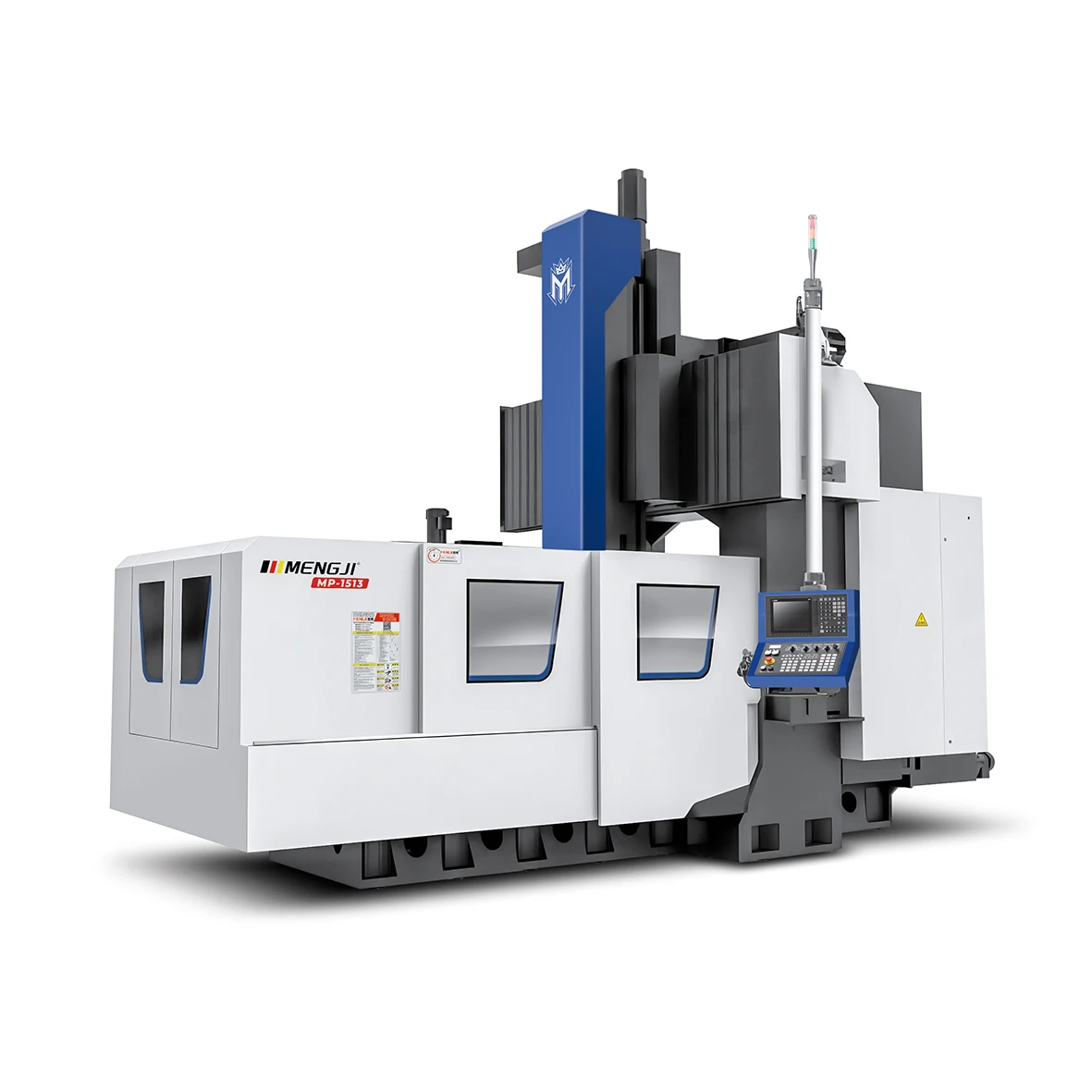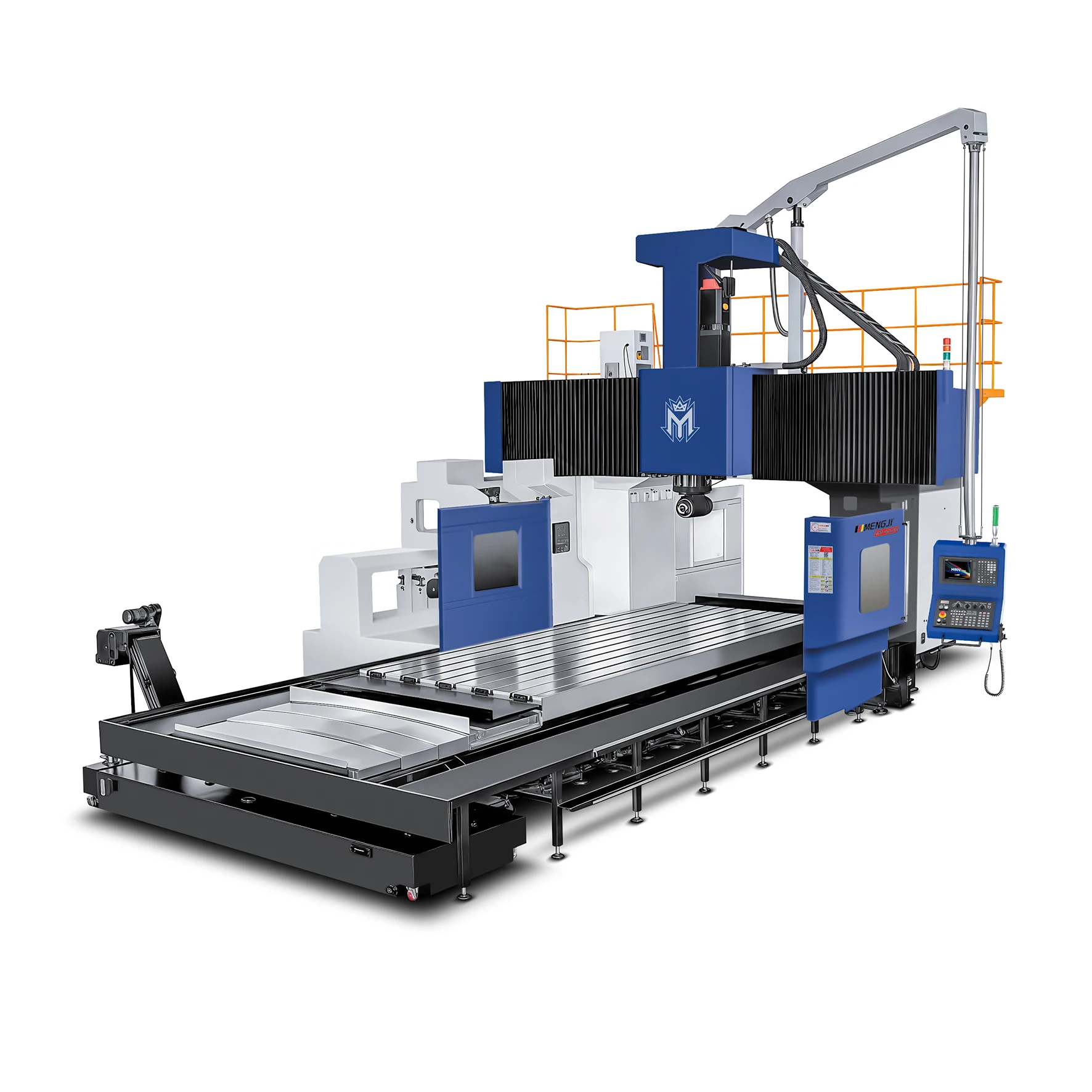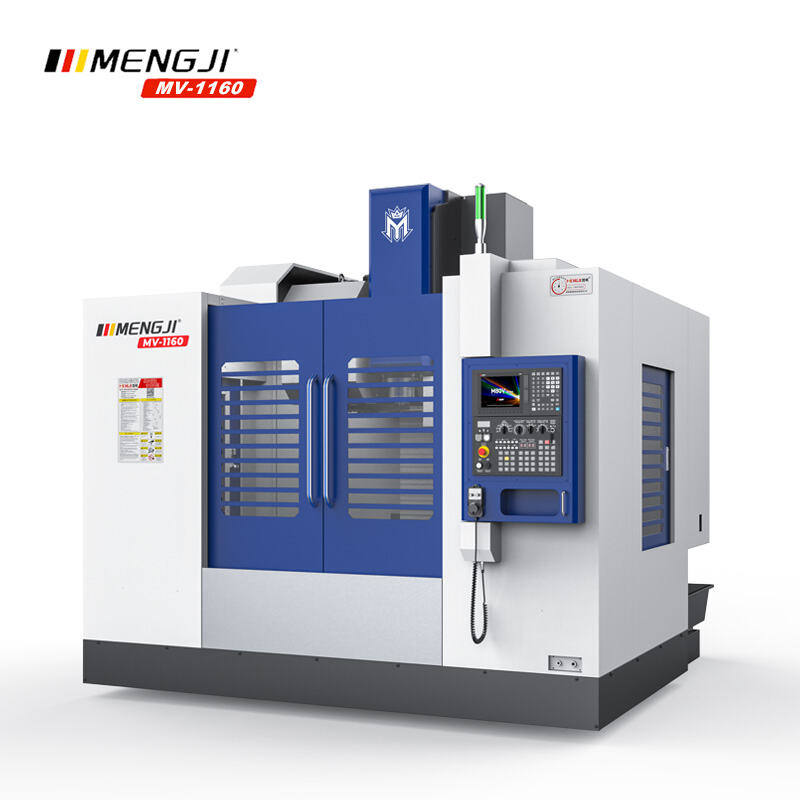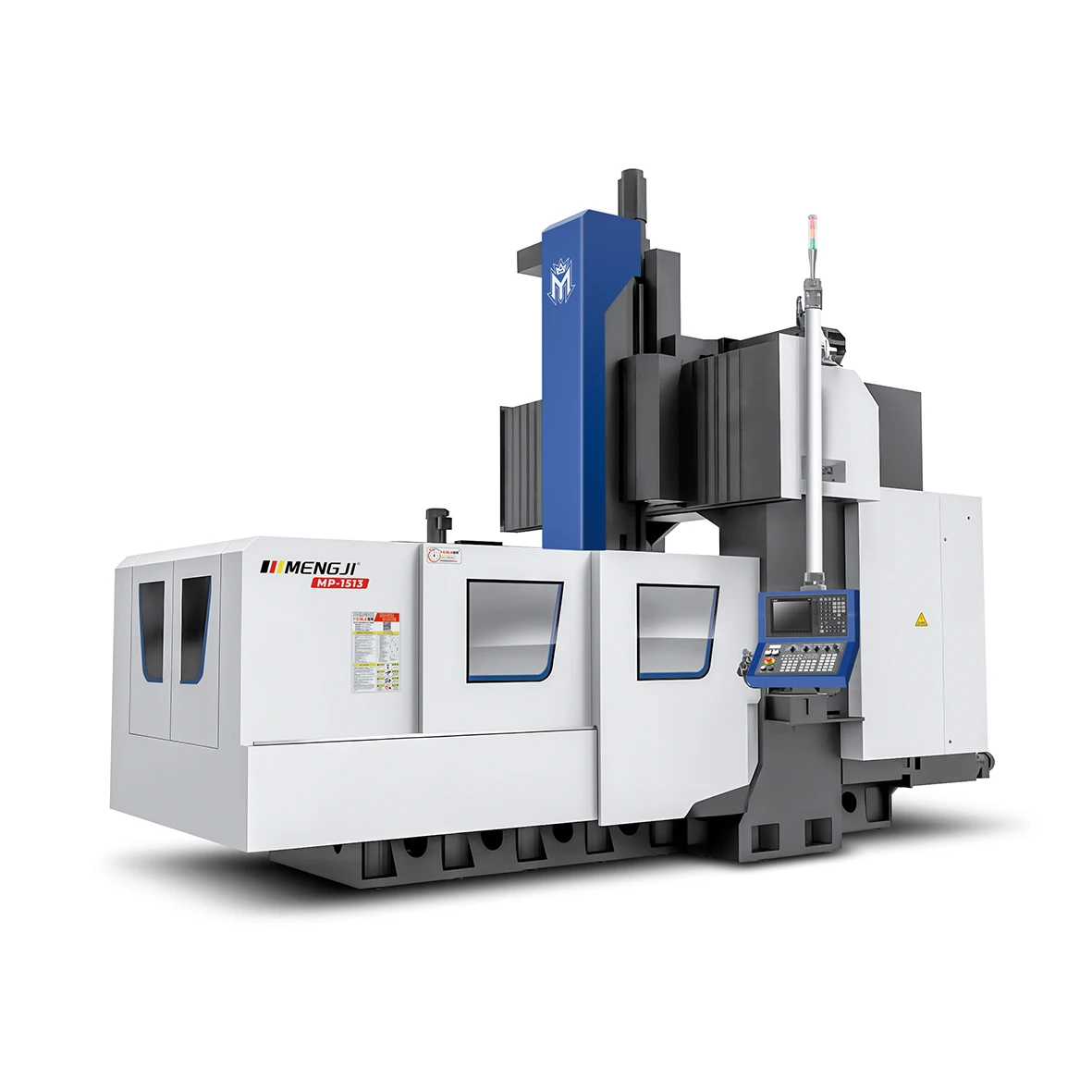
The term "five-axis CNC" explicitly describes a manufacturing system with five degrees of freedom, emphasizing the full kinematic capability that differentiates it from 3-axis or 3+2 axis machining. This technology allows for continuous and simultaneous control of three linear motions and two rotational motions, enabling the tool to approach the workpiece from any direction in a single, fluid operation. This continuous, simultaneous movement is the key differentiator from simple indexing. In a five-axis process, the machine's computer (CNC) dynamically calculates the precise coordinated movements of all five axes to keep the cutting tool in constant, optimal contact with the contoured surface of the part. This is critical for achieving high-quality finishes on complex sculpted surfaces and for maintaining consistent chip loads during machining, which improves tool life and process stability. The two common mechanical designs are the head-head configuration, where the two rotational axes are in the spindle head, and the table-table configuration, where the rotations are in the worktable. Each has its advantages regarding workpiece size and accessibility. The benefits are substantial: drastically reduced setup times, the ability to machine incredibly complex geometries, improved surface finishes, and higher overall accuracy. The application of five-axis CNC technology is a cornerstone of advanced manufacturing, pushing the boundaries of what is possible in sectors such as aerospace, where it machines lightweight structural components; energy, for complex turbine parts; and medical, for patient-specific prosthetics and surgical tools.
Our professional sales team is always ready to assist you.