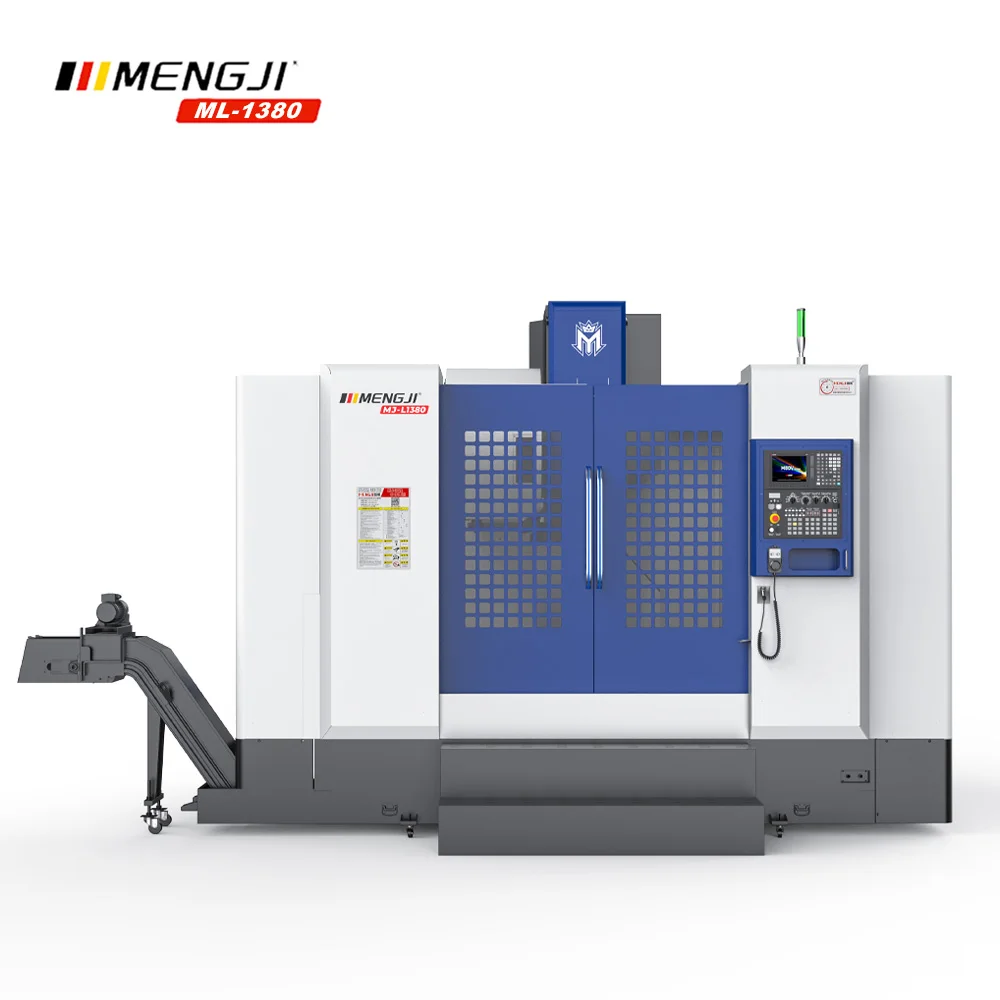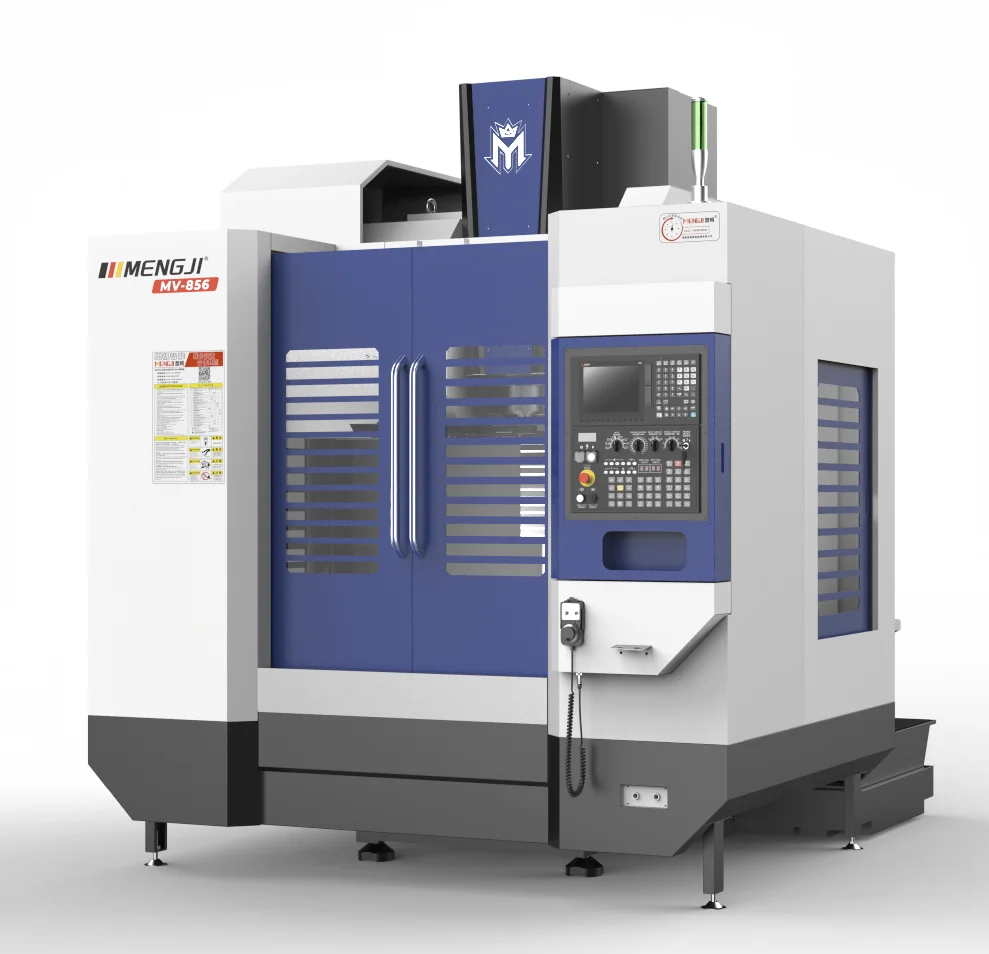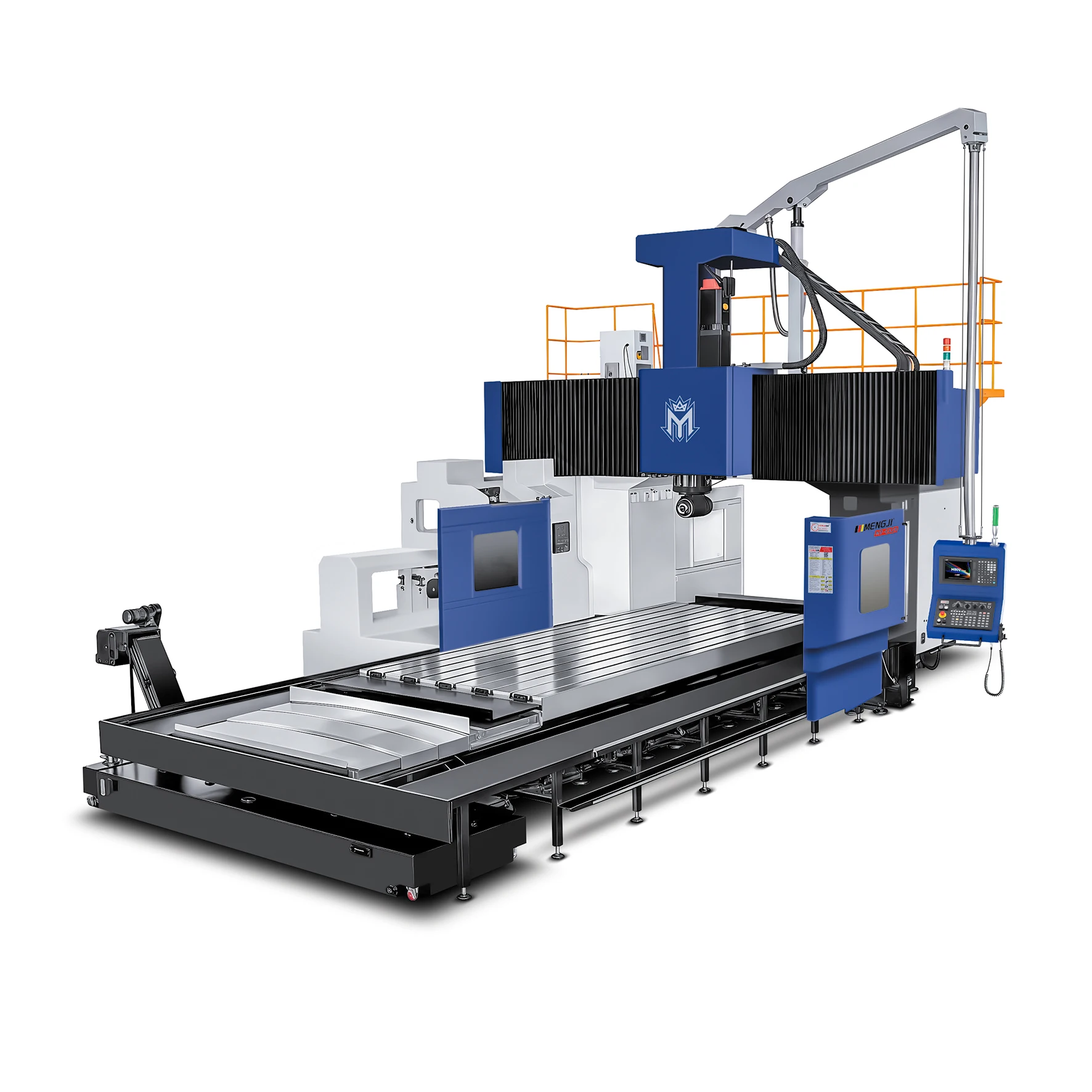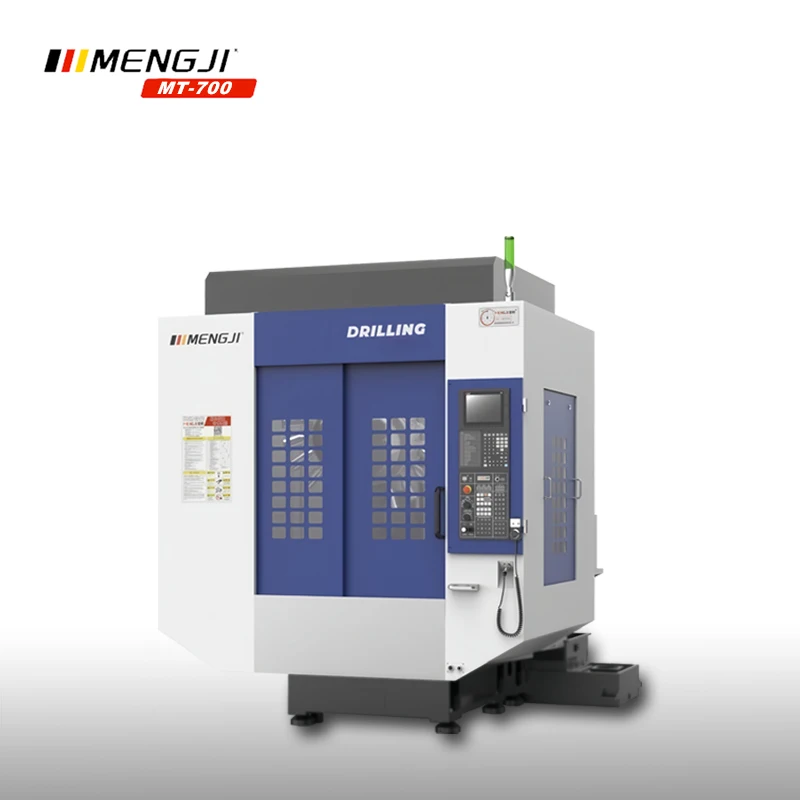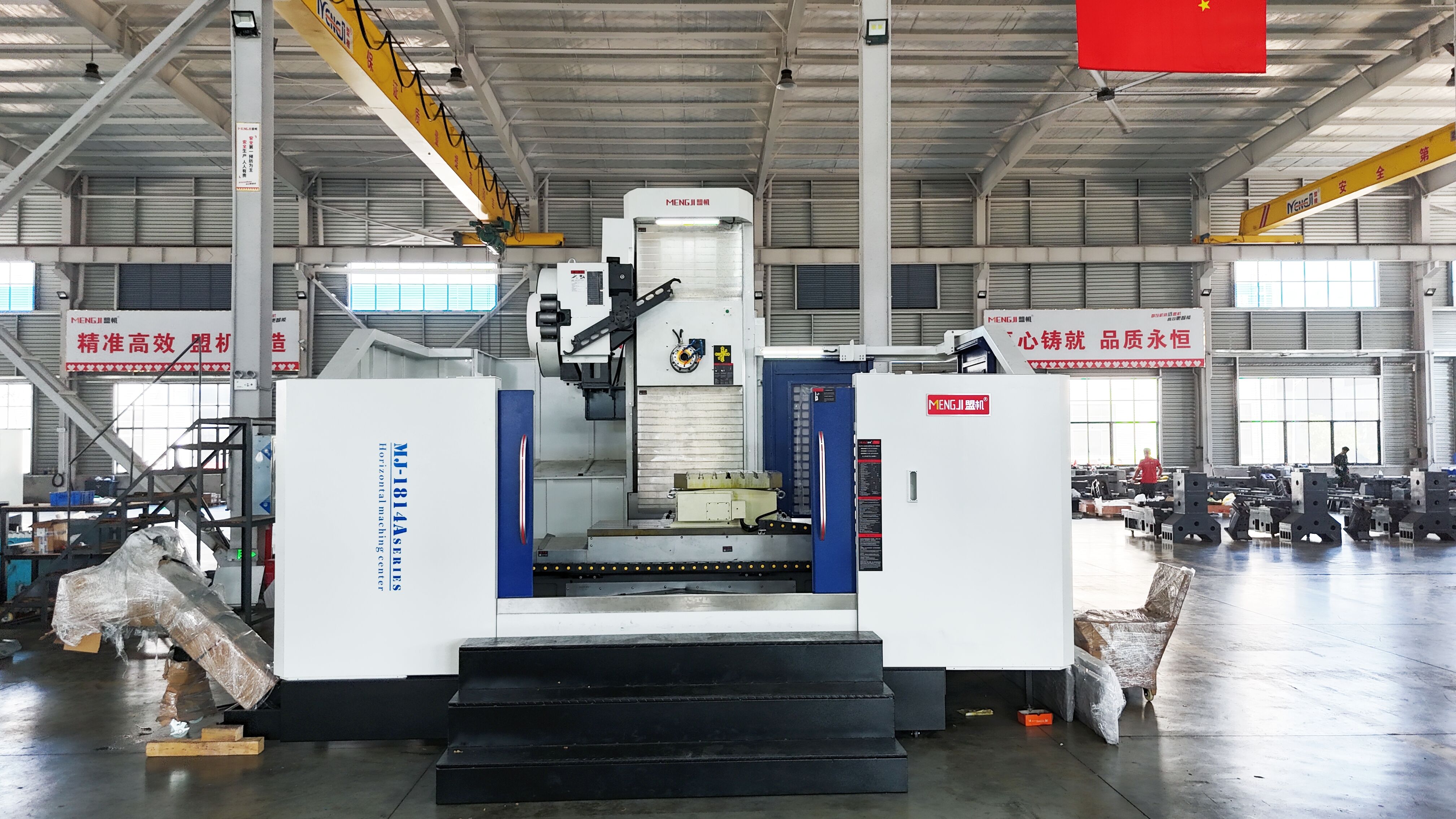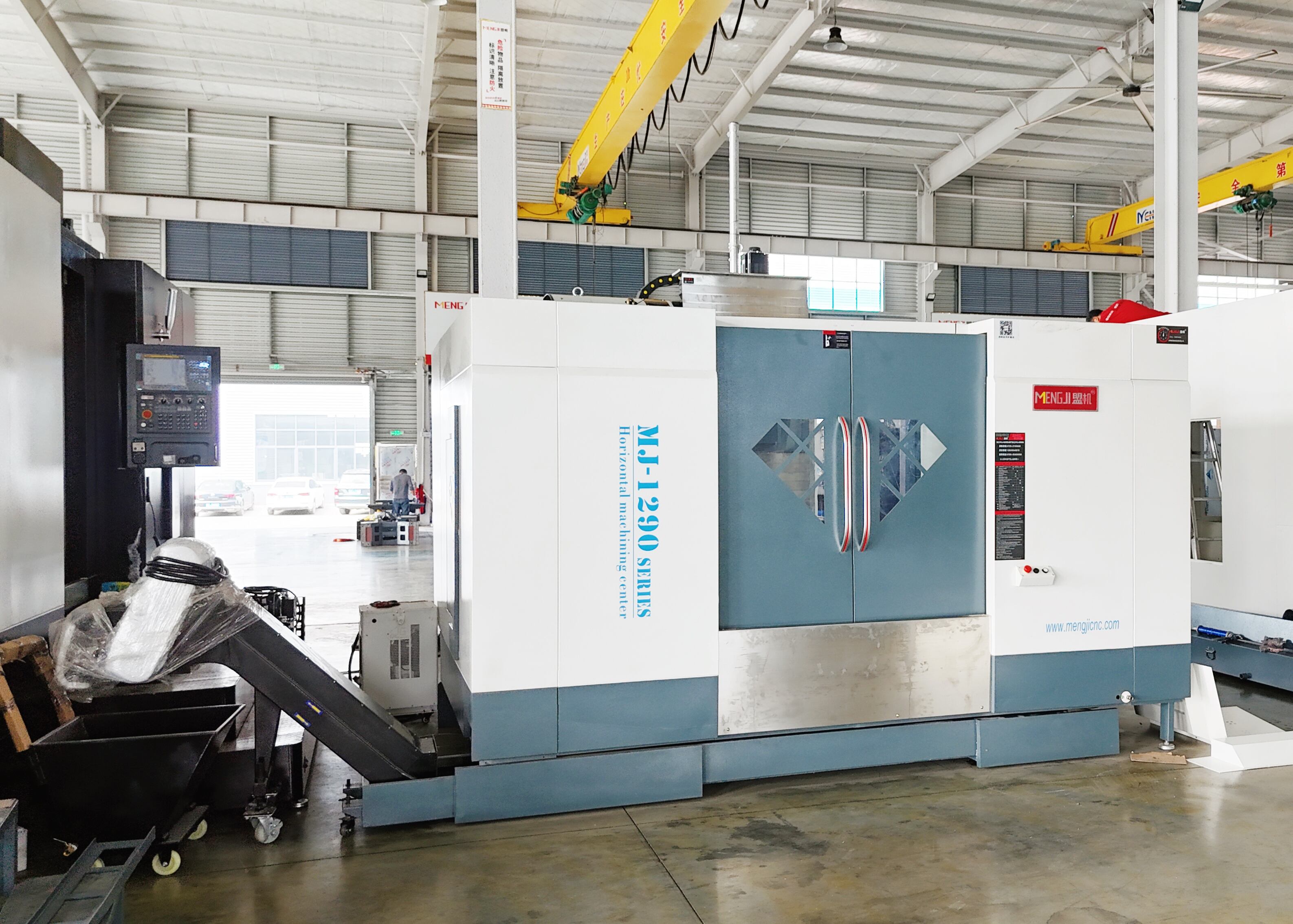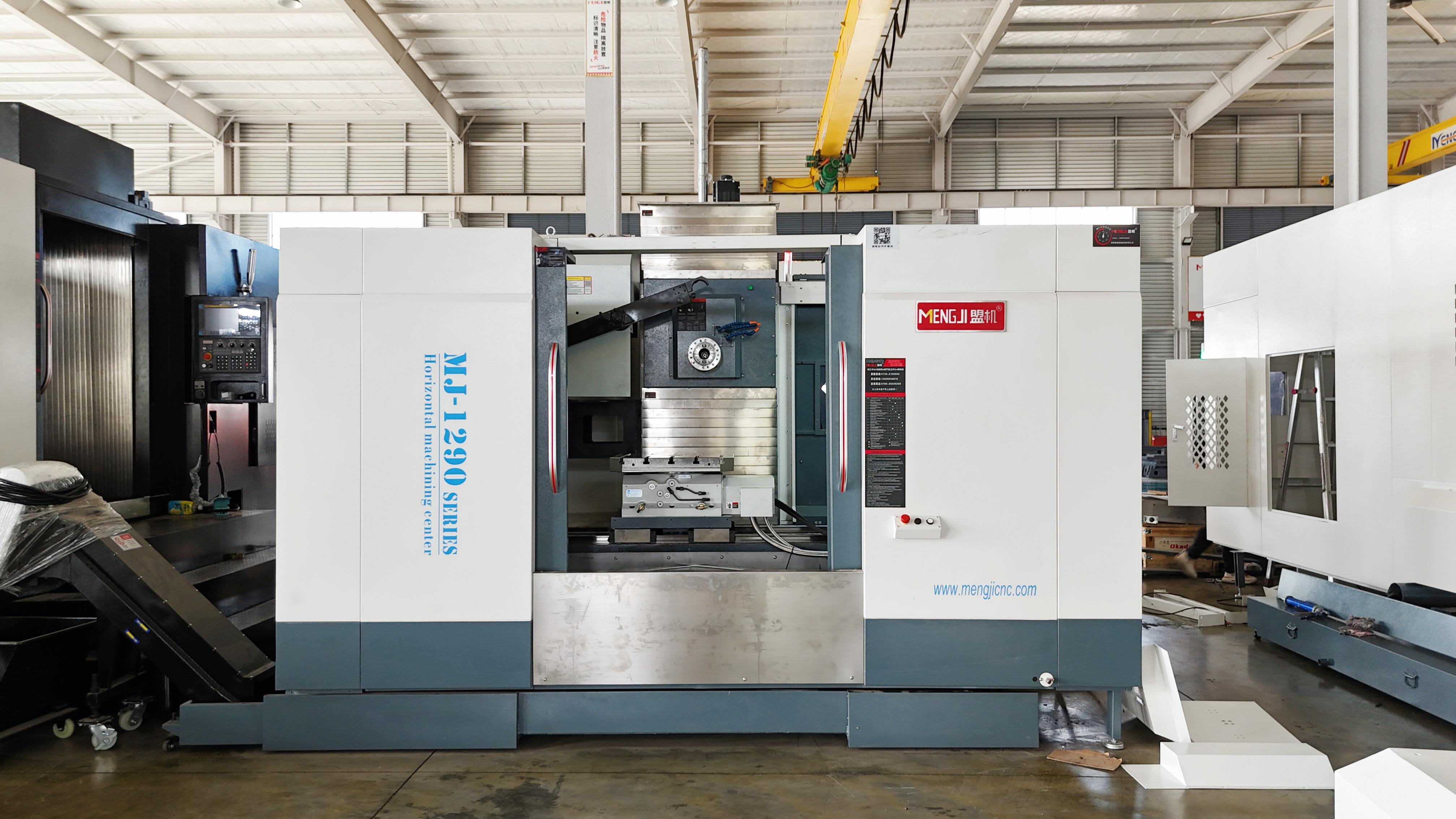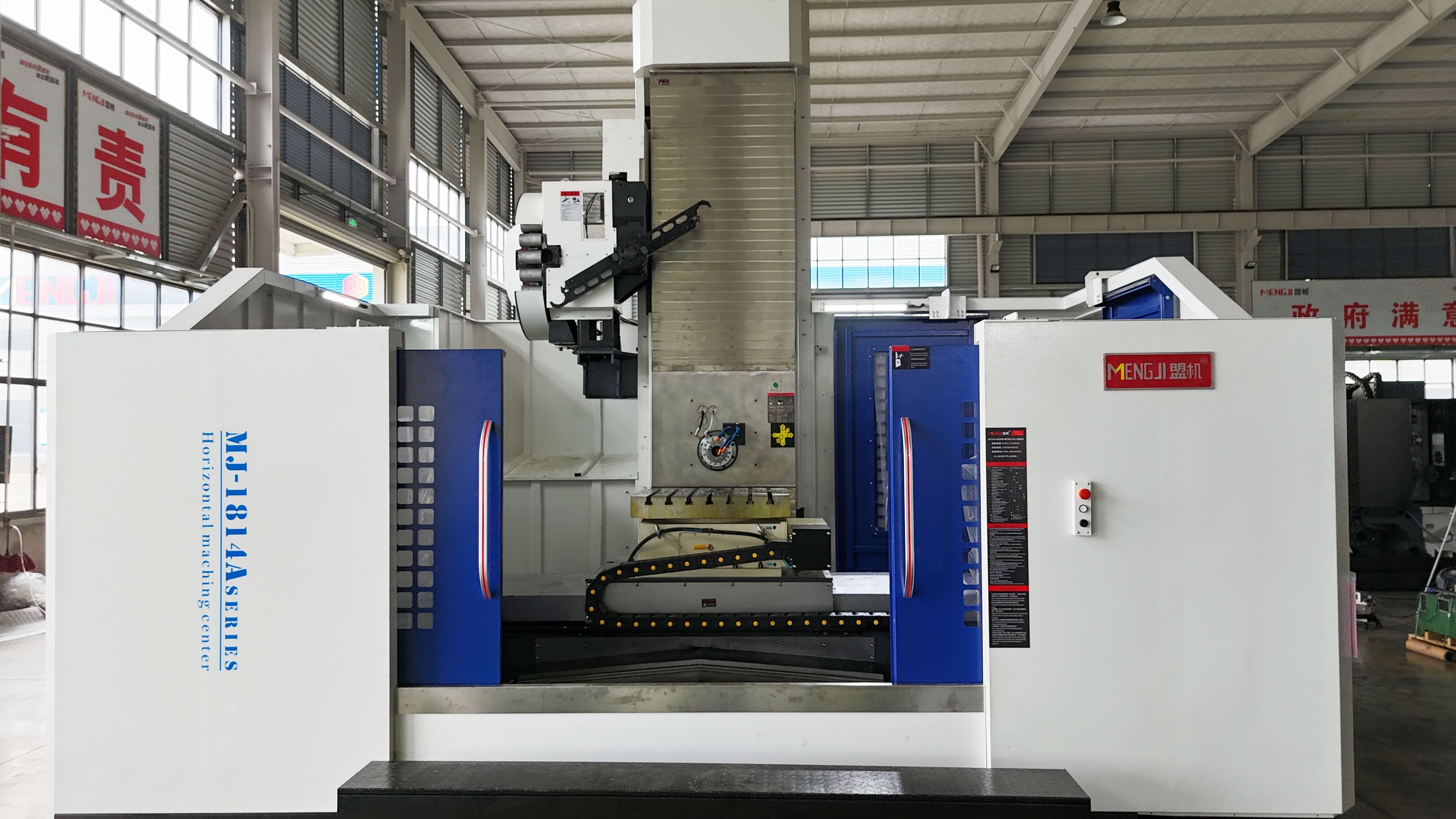
The term "horizontal CNC" broadly encompasses a category of computer-numerically-controlled machine tools characterized by a horizontally oriented spindle. This design philosophy extends beyond just machining centers to include advanced turning and milling systems, all sharing the core benefits of the horizontal configuration. The primary advantage lies in superior chip management. Unlike vertical machines where chips can accumulate around the tool and workpiece, gravity in a horizontal CNC pulls chips downward and away from the cutting zone. This is paramount for maintaining surface finish, prolonging tool life, and facilitating uninterrupted automated production. The horizontal orientation also provides inherent stability for heavy-duty cutting and is exceptionally well-suited for machining cube-shaped or boxy components. A key application is found in Horizontal Machining Centers (HMCs), which are optimized for high-volume production through the use of pallet changers and rotary tables that allow for multi-sided machining in a single clamping. The concept also applies to certain large turning centers and specialized milling systems where part geometry or production volume justifies the configuration. The horizontal spindle's position often allows for better support of the cutting tool, reducing deflection during heavy machining operations. While these machines typically command a higher initial cost and require more floor space than their vertical counterparts, their advantages in chip control, productivity for multi-sided parts, and suitability for automation make them a critical technology for any serious high-volume manufacturing operation seeking to maximize throughput and minimize operational downtime.
Our professional sales team is always ready to assist you.