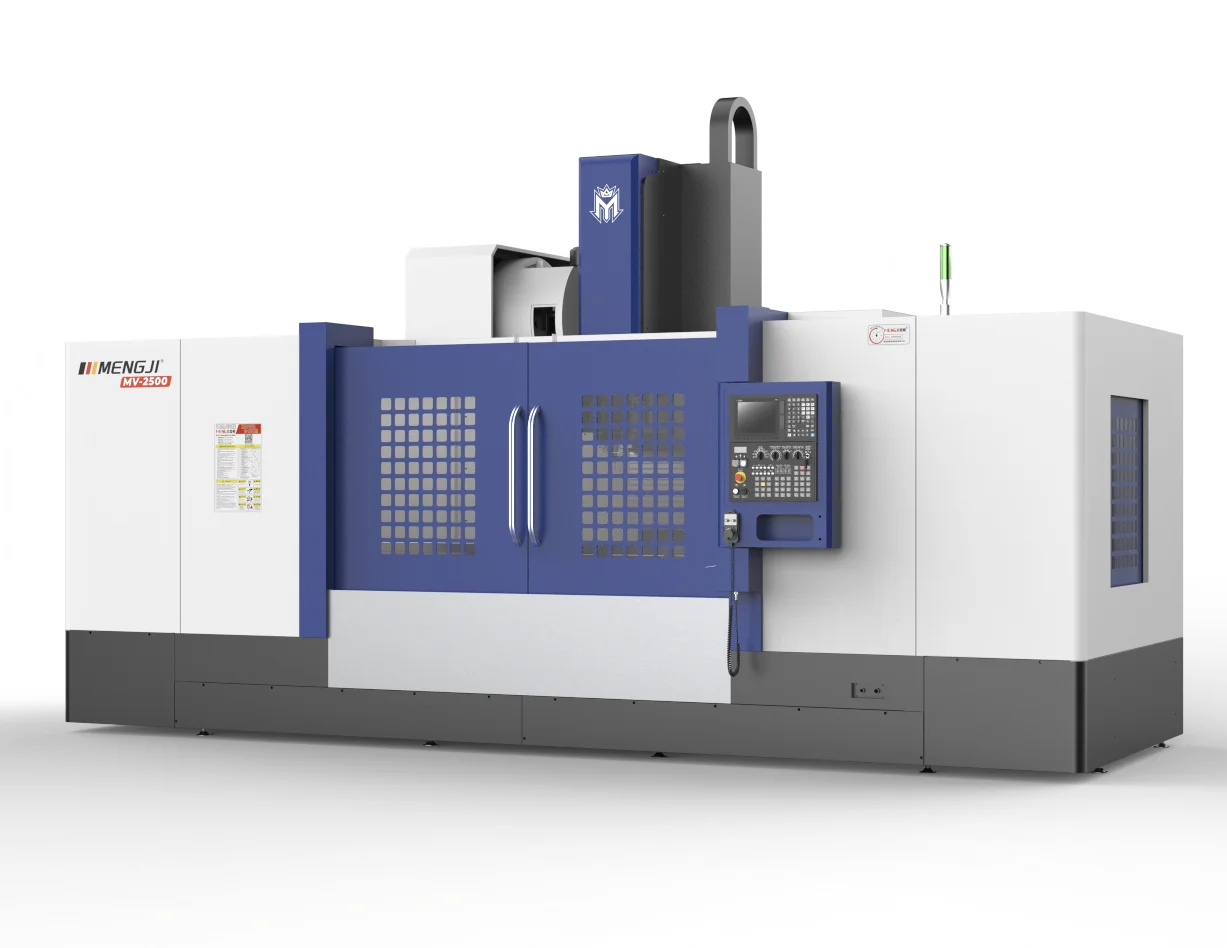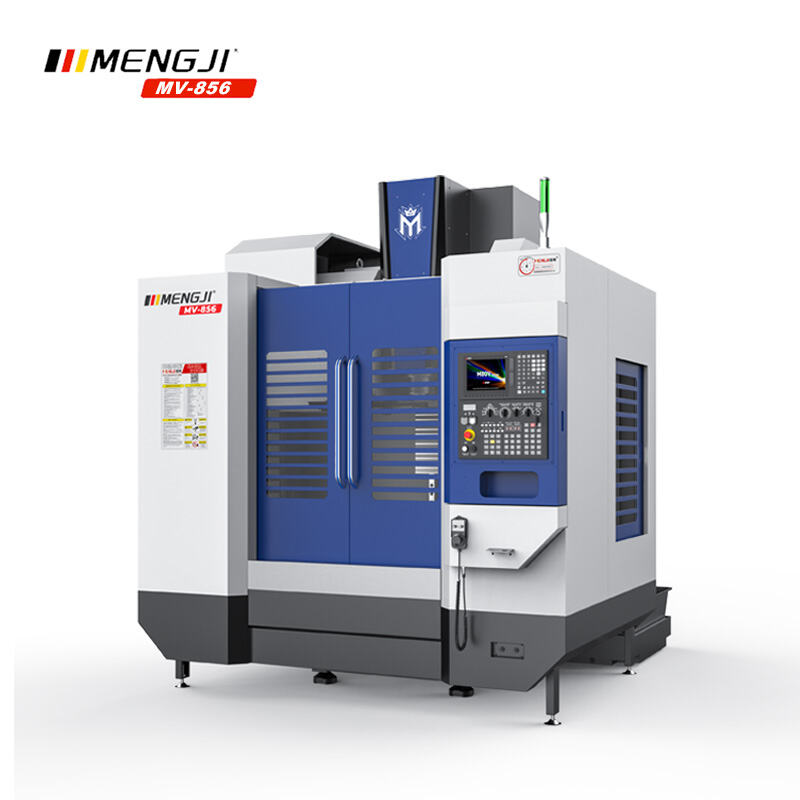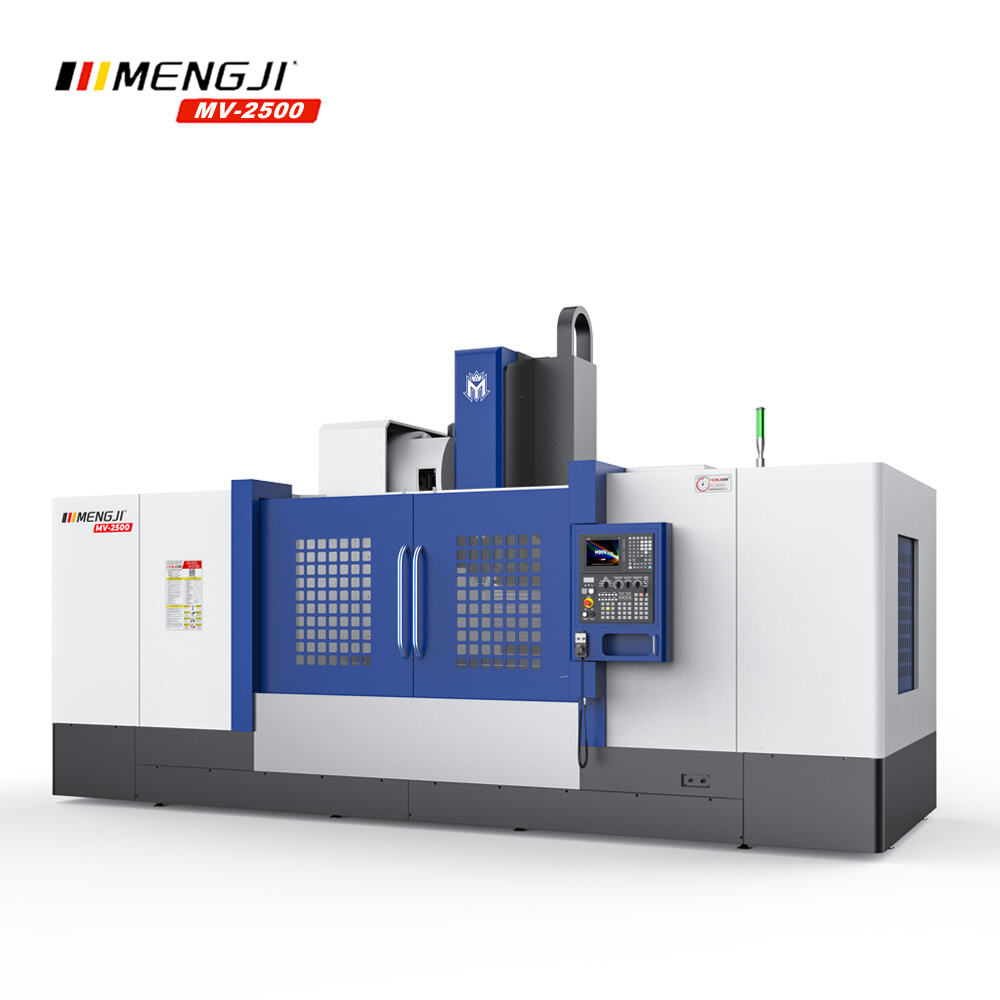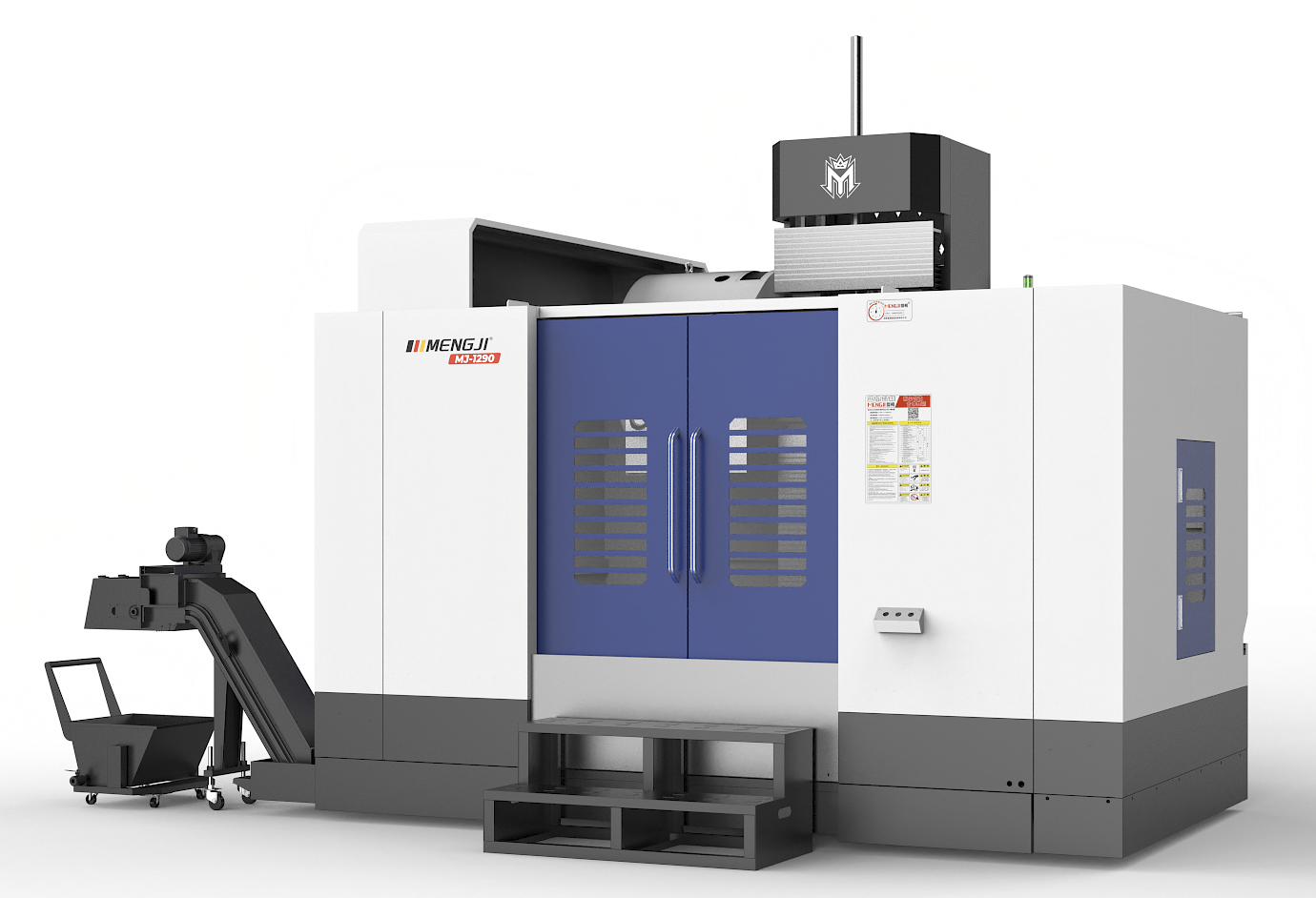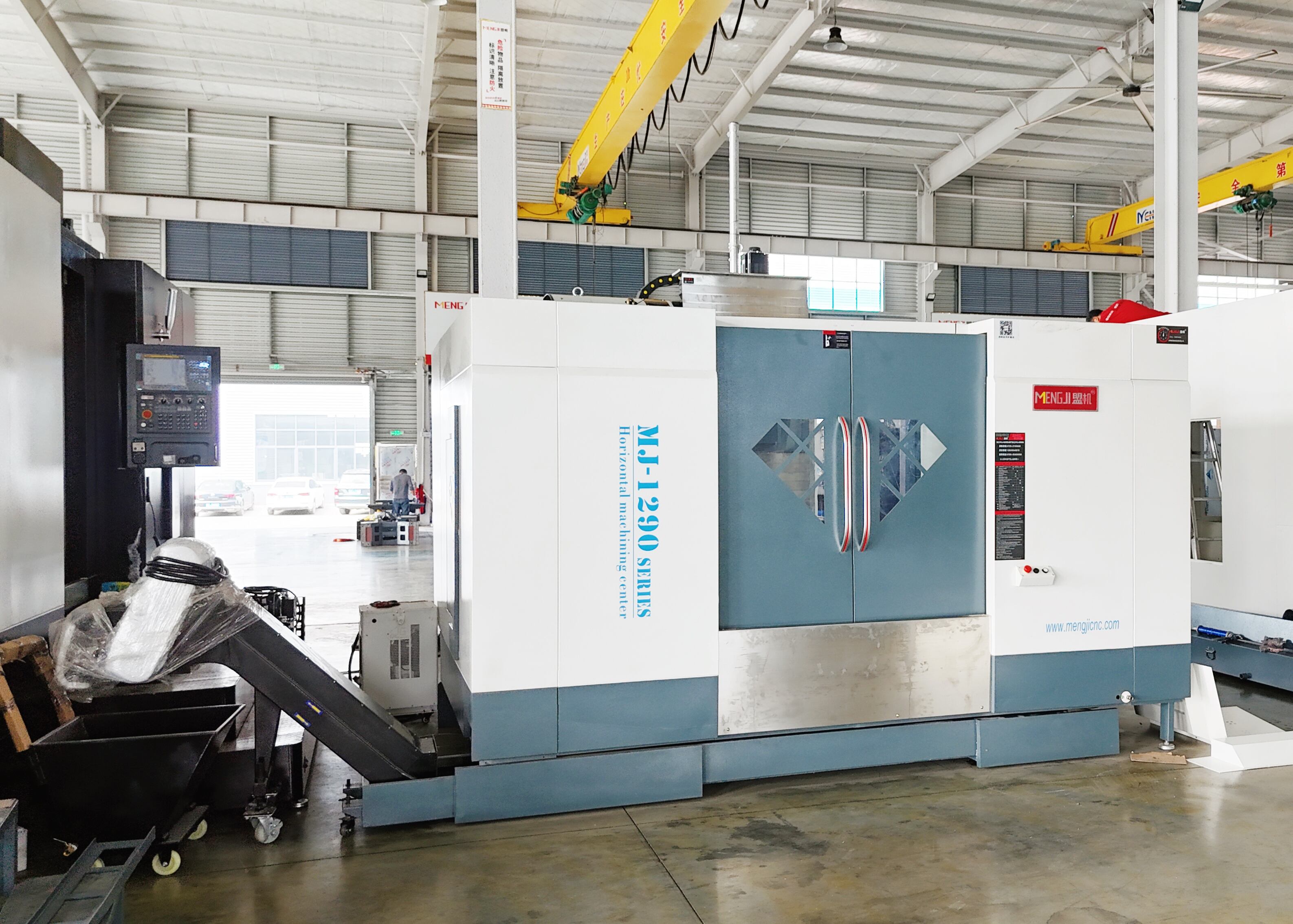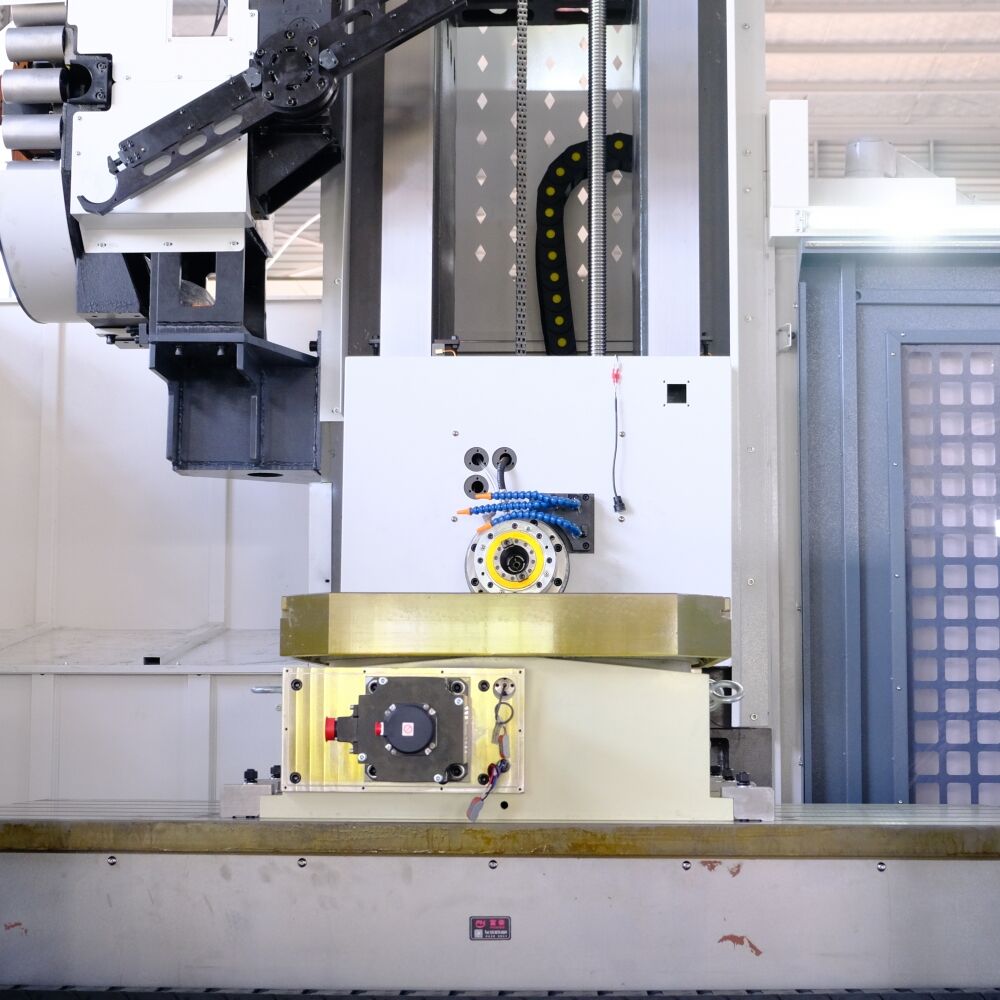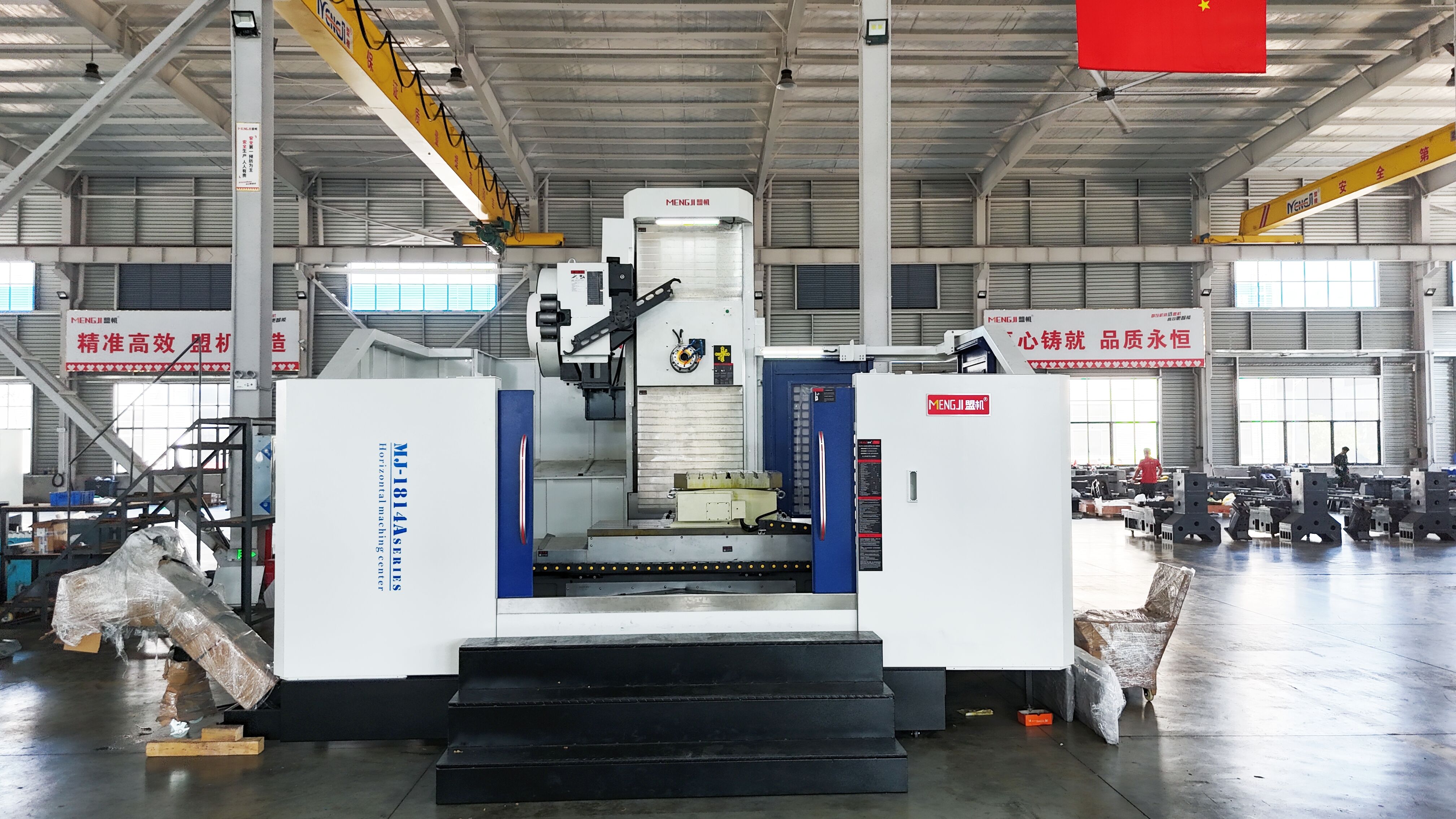
Horizontal machining, performed on a Horizontal Machining Center (HMC), is a highly efficient manufacturing process characterized by a horizontally oriented spindle. This configuration offers several distinct advantages that make it particularly suitable for high-volume production and the machining of complex, cube-shaped parts. The primary benefit is superior chip evacuation; gravity naturally pulls chips away from the workpiece and cutting tool down into a conveyor or chip pan, preventing chips from recutting and protecting the workpiece surface and tool life. This is crucial for untended, lights-out manufacturing. HMCs are typically equipped with automatic pallet changers (APC) that allow for the simultaneous loading and unloading of workpieces on one pallet while another is being machined, effectively eliminating non-cutting time and creating a continuous production flow. The horizontal orientation also provides inherent stability for heavy-duty cutting on large or heavy workpieces. Furthermore, the integrated rotary table (typically a B-axis) provides 4-axis capability, allowing for the complete machining of multiple sides of a part in a single setup. This is ideal for parts like engine blocks, pump housings, and valve bodies that require operations on various planes. By completing most or all machining in one clamping, HMCs drastically improve accuracy by eliminating cumulative errors from multiple fixturings. While the initial investment and floor space requirements for an HMC are generally higher than for a vertical machine, the gains in productivity, consistency, and automation for suitable part geometries make horizontal machining an indispensable strategy for mass production in industries like automotive, aerospace, and energy.
Our professional sales team is always ready to assist you.