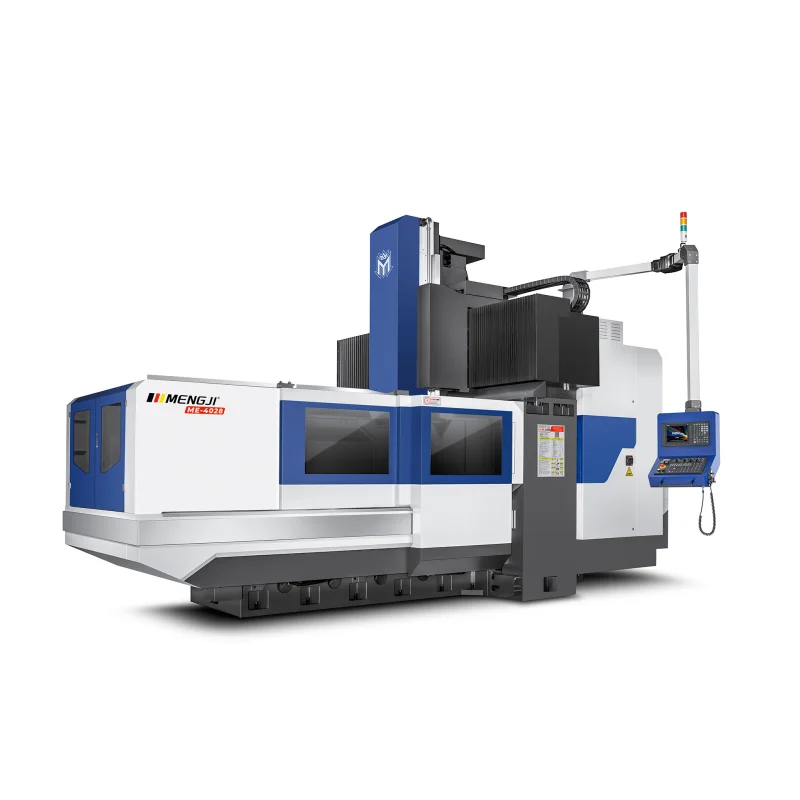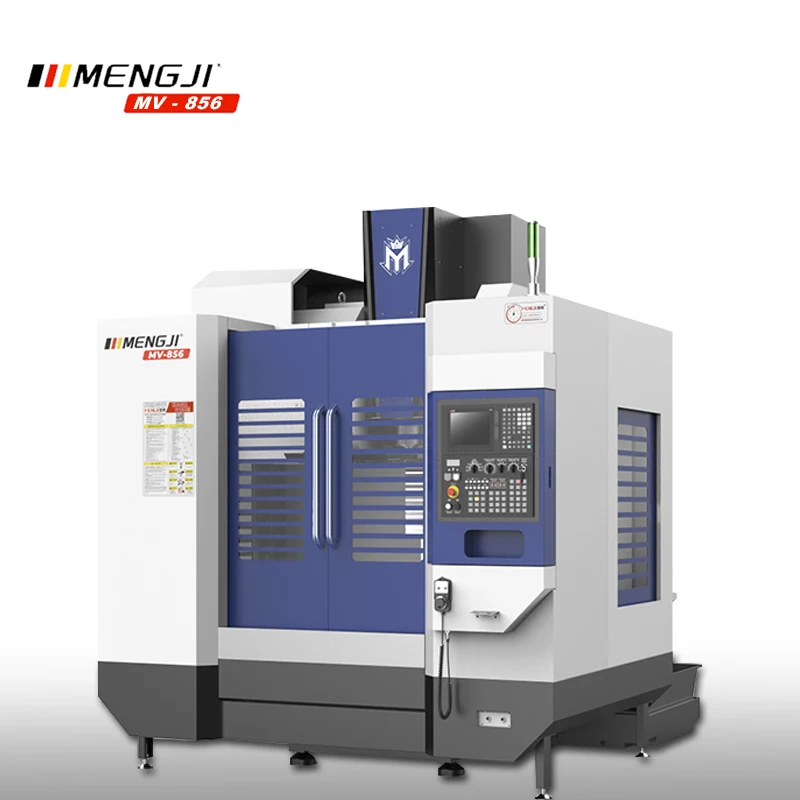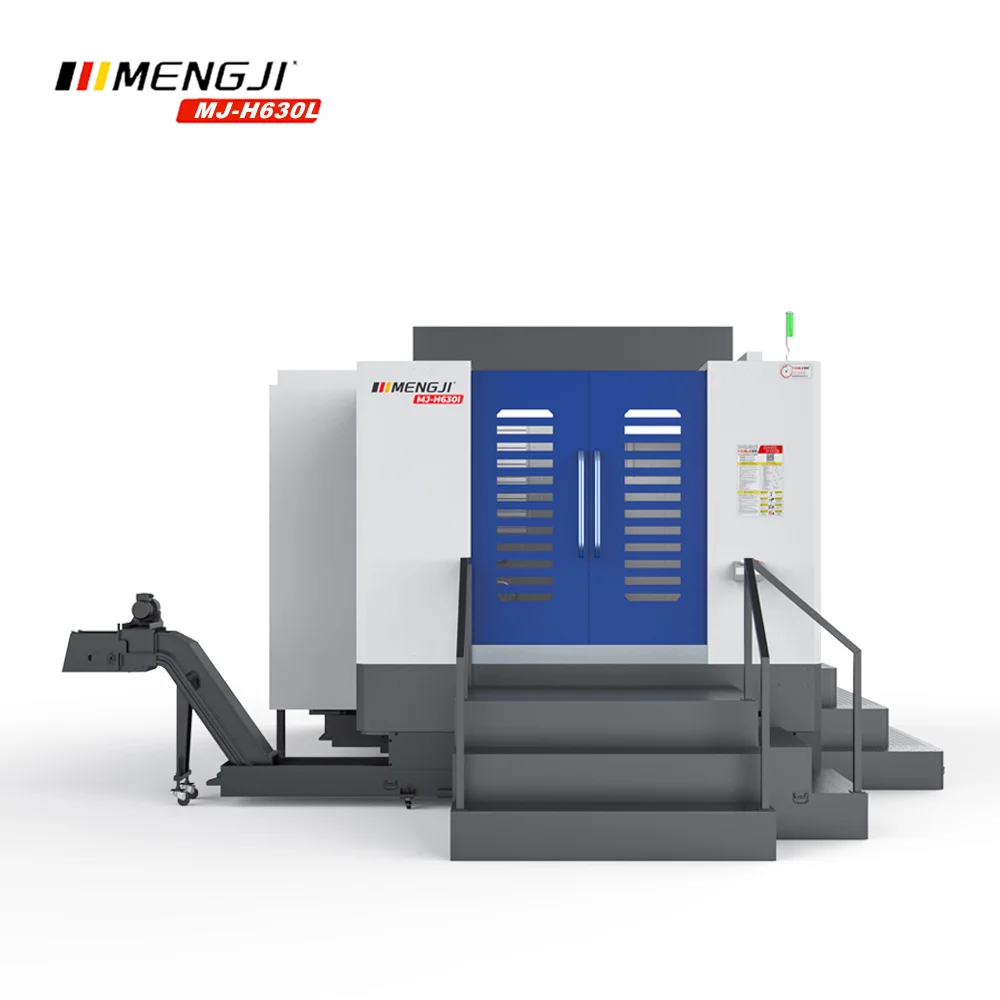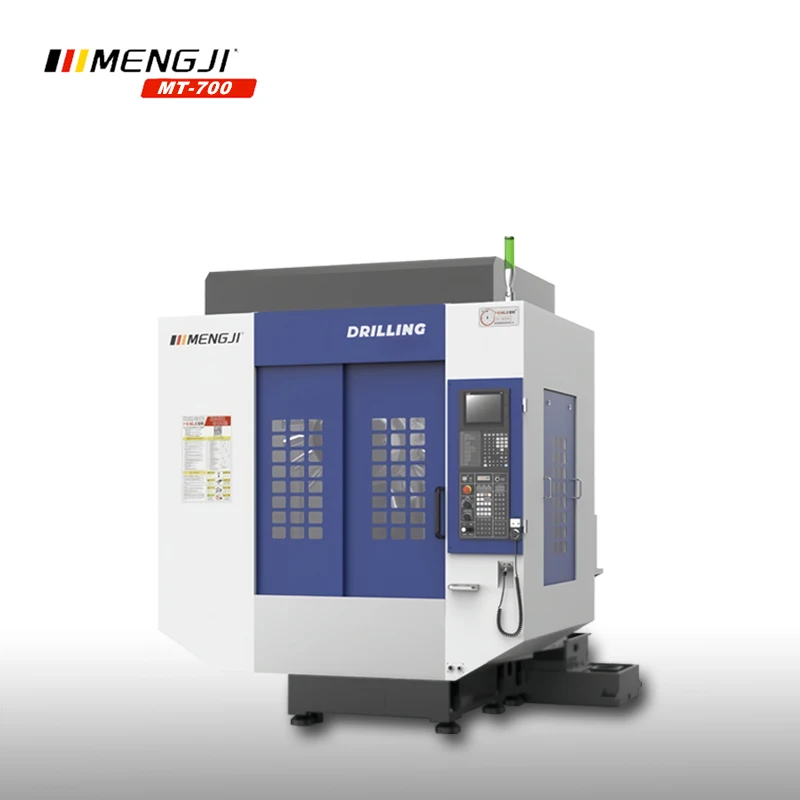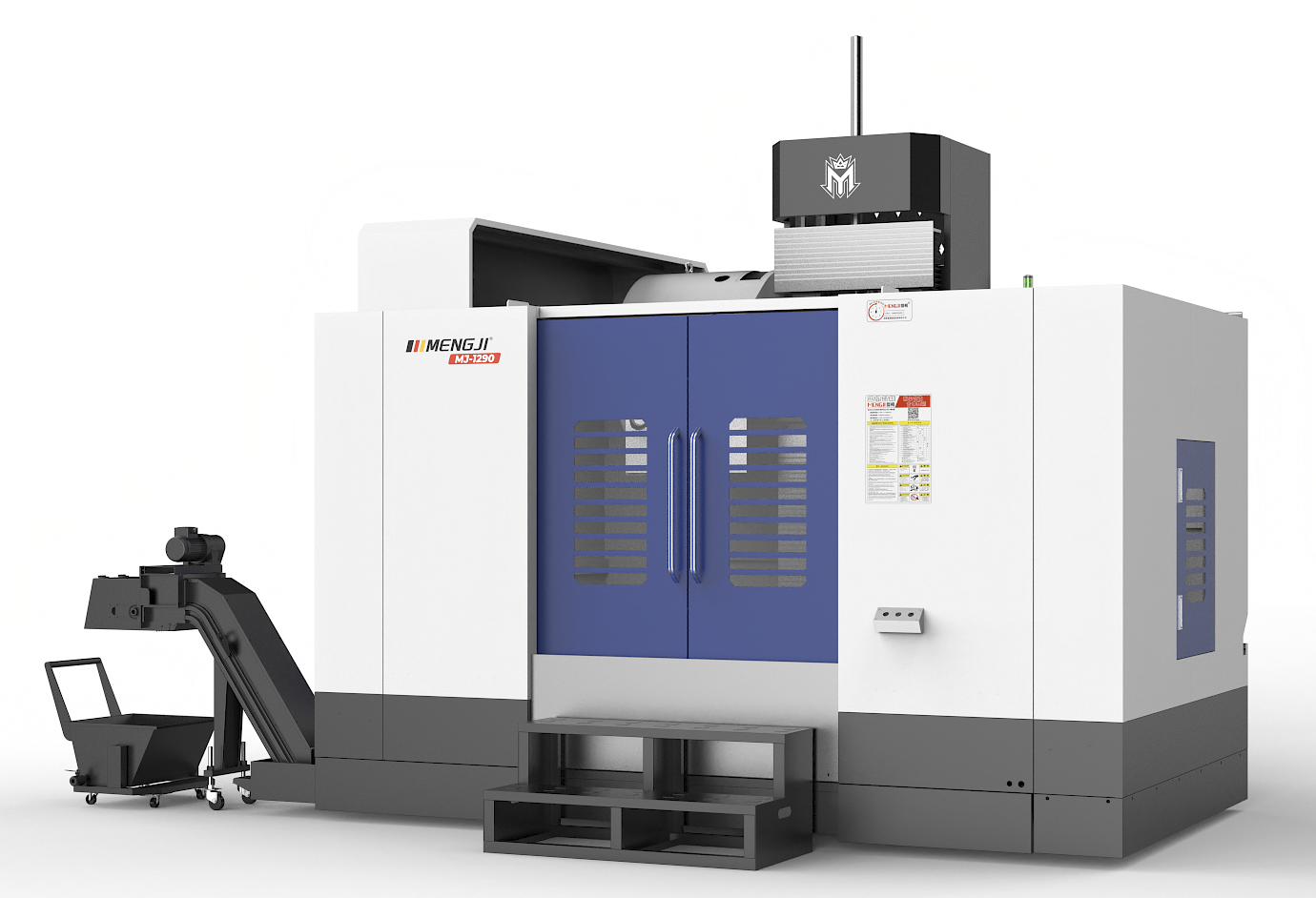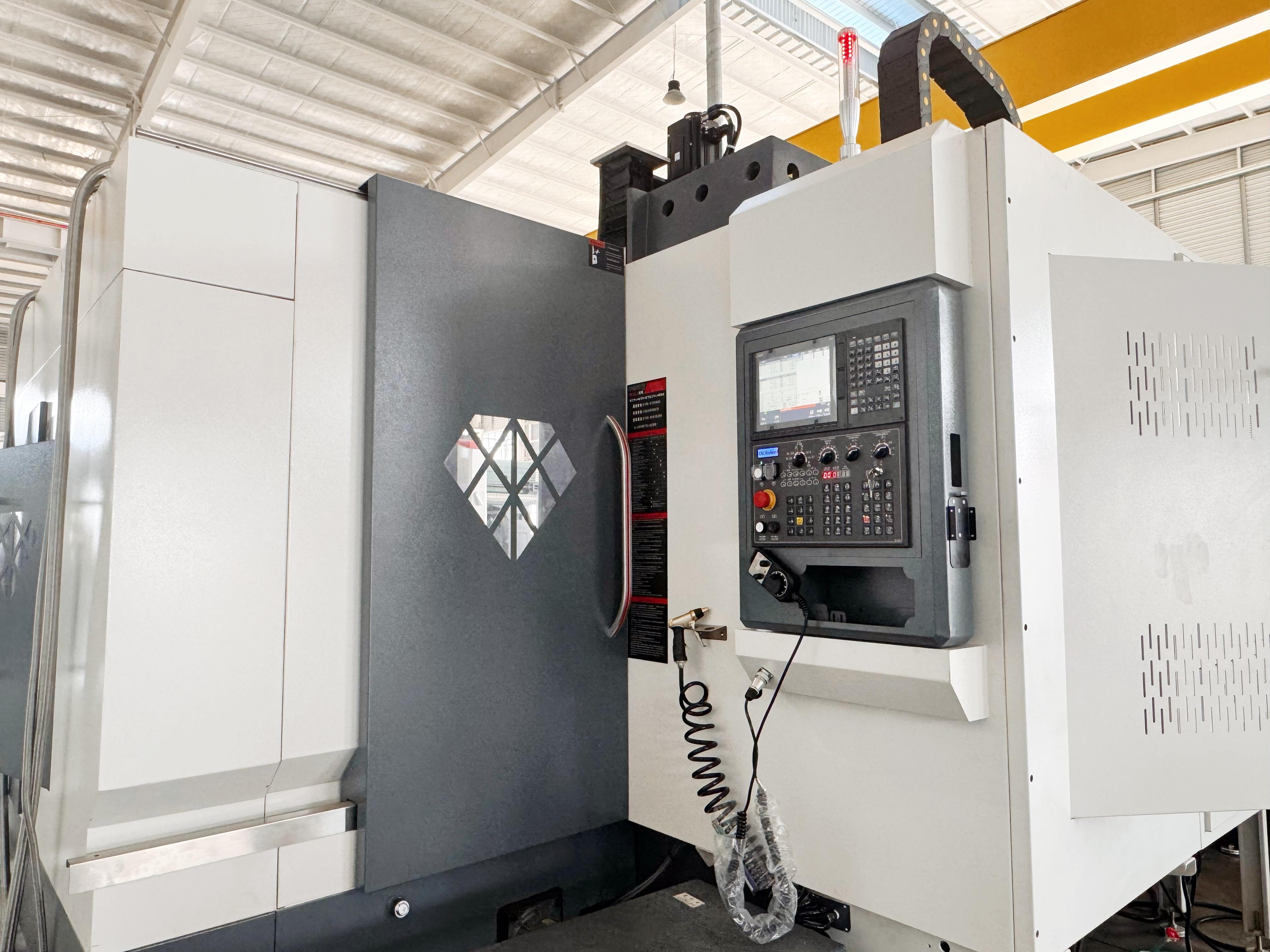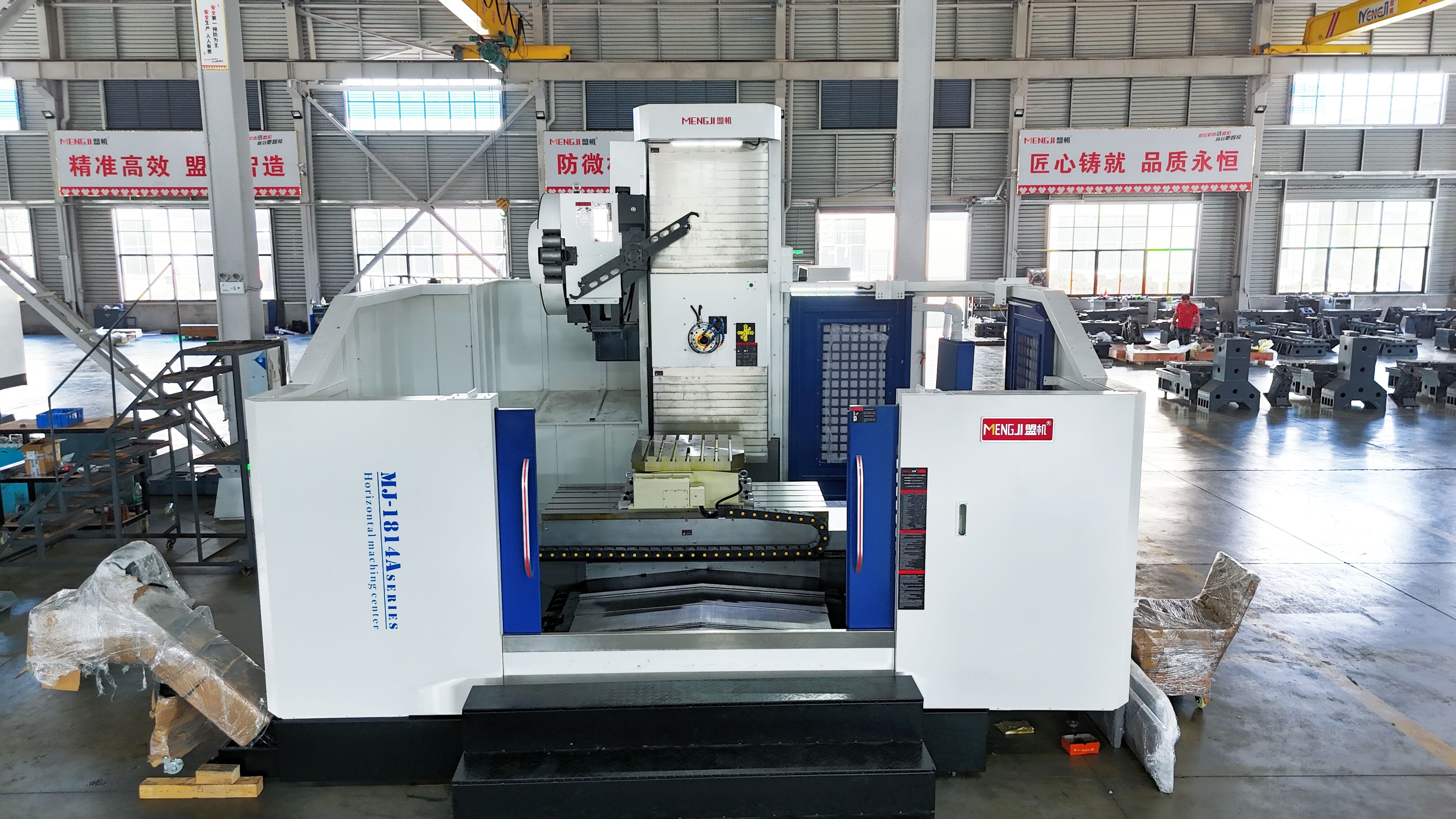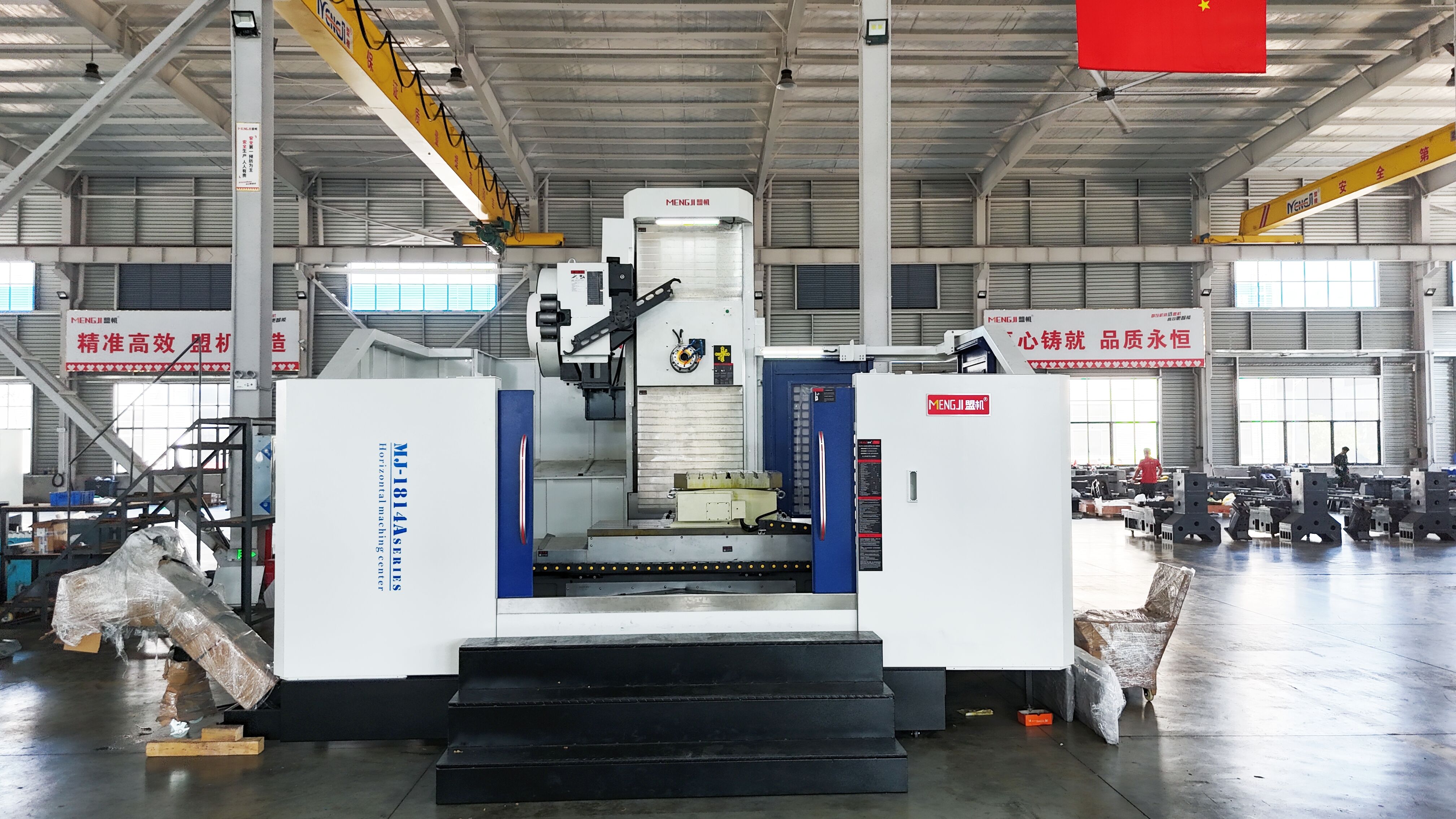
The term Horizontal Milling Center aptly describes a CNC milling machine built around a horizontally oriented spindle. This design philosophy prioritizes production efficiency, chip management, and multi-sided machining capability. The horizontal spindle orientation means the cutting tool approaches the workpiece from the side, which fundamentally improves chip evacuation. Chips fall freely away from the cutting zone by gravity, reducing the risk of them being recut, which can damage the tool and the workpiece's surface finish. This is a critical advantage when machining ductile materials or in high-volume scenarios. These centers are the ideal solution for machining cube-shaped or boxy components that require operations on multiple faces. The standard configuration includes a precision rotary table (B-axis) that allows the workpiece to be indexed to specific angles or rotated continuously, enabling access to four sides in a single setup. This eliminates the need for manual re-fixturing, which saves time and, more importantly, prevents the introduction of errors from repositioning the part. Modern Horizontal Milling Centers are sophisticated systems, often featuring large-capacity automatic tool changers and, crucially, pallet changers that allow for parallel part loading and unloading, maximizing machine utilization. Their inherently rigid structure is designed to handle heavy cuts and large, heavy workpieces with stability. While they may have a larger footprint and higher initial cost than vertical mills, their unparalleled productivity in the right application—such as producing transmission cases, valve bodies, or hydraulic manifolds—makes them a vital asset for any serious production facility focused on throughput and operational efficiency.
Our professional sales team is always ready to assist you.