Types of Lathe Machines | CNC Turning Solutions by Mengji

Mengji CNC Pro: Mastering All Types of Lathe Operations

Mengji CNC Pro: Mastering All Types of Lathe Operations

Understanding and operating various types of lathe is integral to the versatile service offering at Mengji CNC Pro. This expertise, particularly through our advanced cnc turning and milling center, allows us to excel as a comprehensive cnc precision machining manufacturer. We apply these turning capabilities to multiple areas, including mold processing for creating round mold components and producing precision important car parts like shafts and bushings. Our services are complemented by precision plastic injection molding and the creation of premold precision molds. For complex, multi-sided parts, we seamlessly integrate turning with our 5 axis cnc machining service to provide a complete manufacturing solution.
Get A Quote

Advantages of the product

User Friendly Operation & Intelligent Functions

Designed with user convenience in mind, our CNC lathes feature intuitive control panels (Siemens 828D/Fanuc 0i-TD) with graphical interfaces and multi-language support, making it easy for operators to program and monitor machining processes. The lathes are equipped with intelligent functions such as automatic tool length compensation, workpiece diameter compensation, and collision avoidance, reducing human errors and ensuring safe operation. Additionally, they support USB and Ethernet connectivity, allowing for easy transfer of machining programs and real-time data monitoring, which is beneficial for integrating into smart factory systems.

Related products

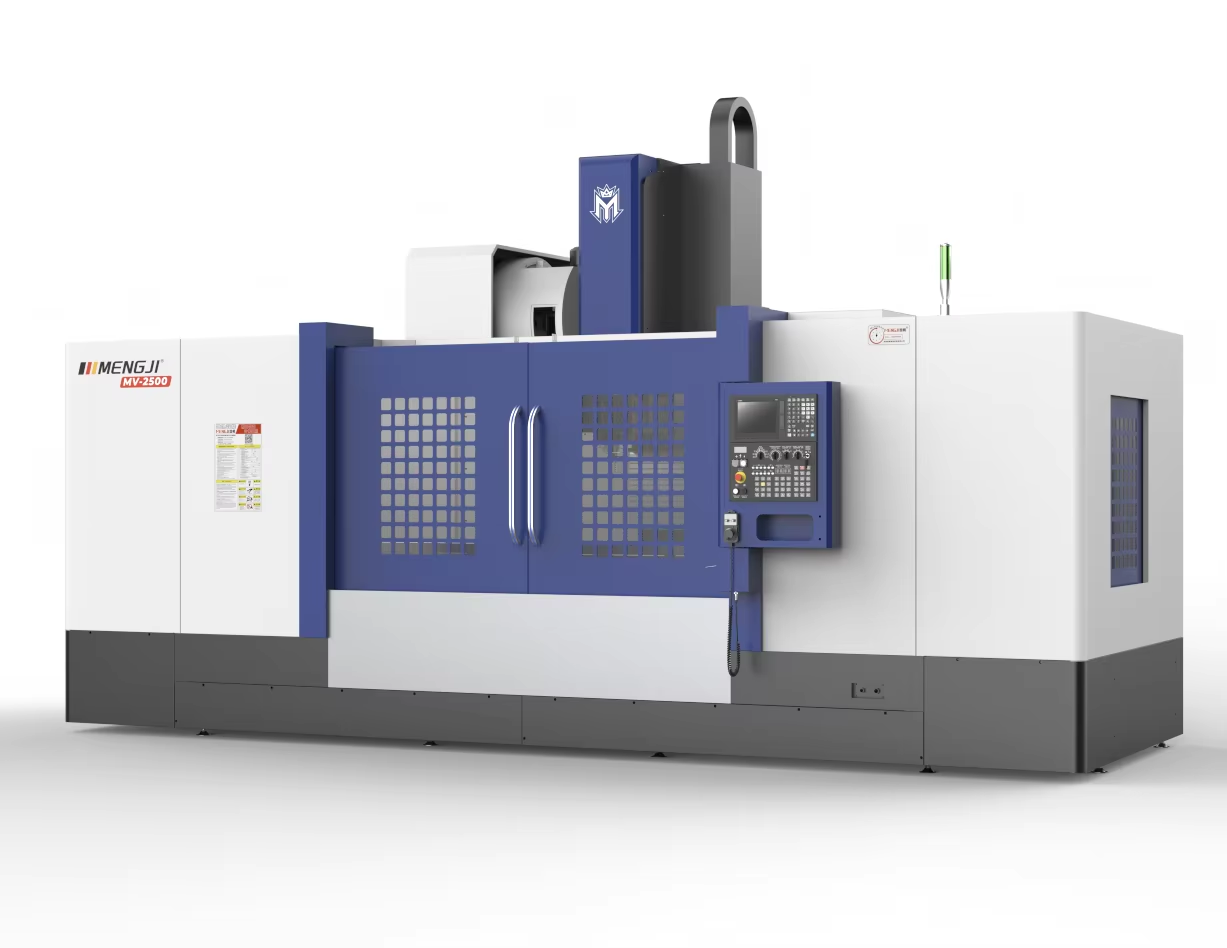
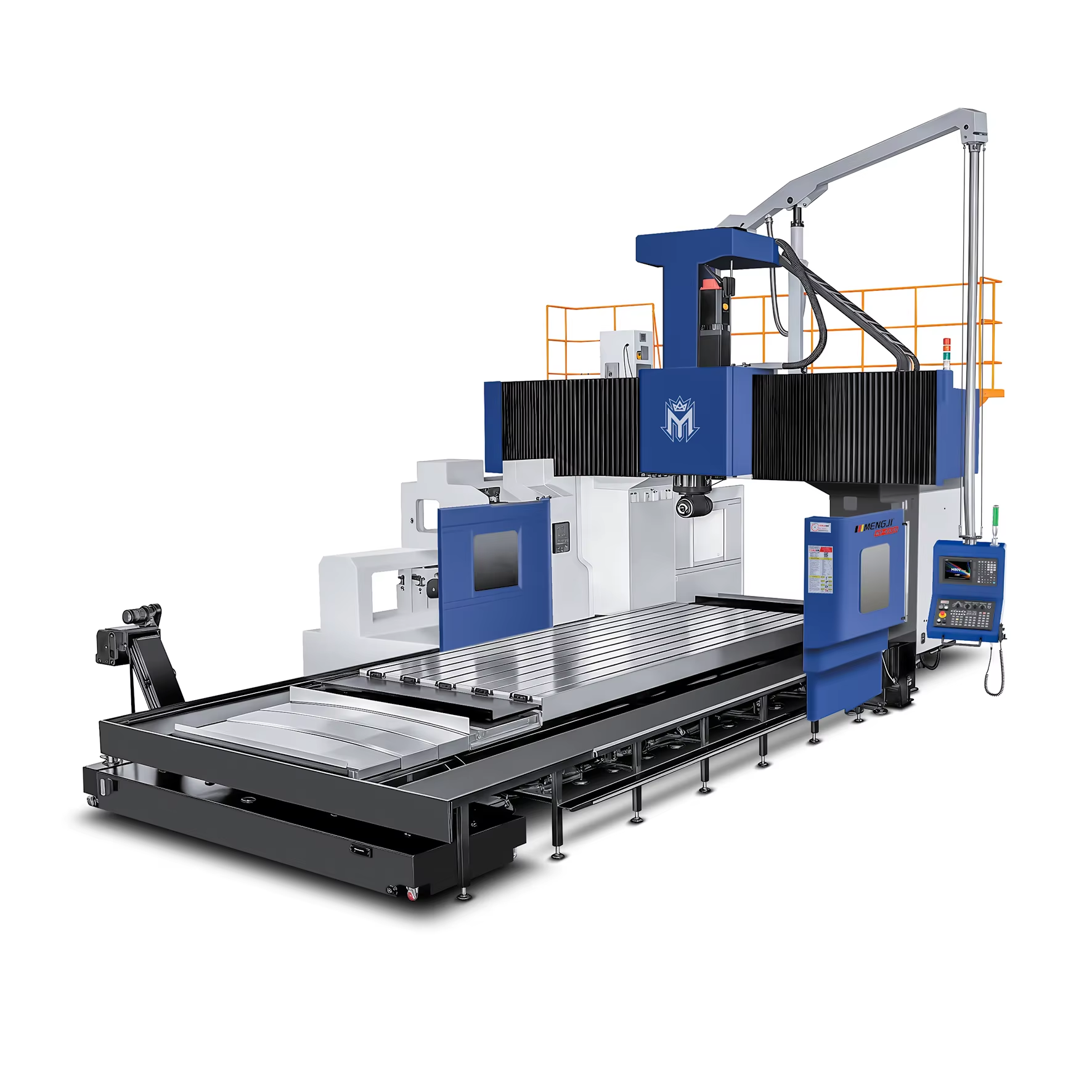
The lathe, one of the oldest and most fundamental machine tools, has evolved into a diverse family of equipment, each type optimized for specific applications, production volumes, and levels of precision. Understanding the different types of lathes is crucial for selecting the right technology for a manufacturing task. At the most basic level are manual engine lathes, which require continuous operator involvement to control the tool path; they are valued for toolroom work, maintenance, and low-volume prototyping due to their flexibility and lower initial cost. The advent of computer numerical control led to the development of CNC lathes, which automate the machining process for superior repeatability, accuracy, and productivity. Within the CNC category, several specialized types exist. The 2-axis CNC lathe is the workhorse for high-volume production of rotational parts, performing operations like turning, facing, and boring. For parts requiring off-center or cross-hole features, CNC lathes with live tooling and a C-axis are employed; these "mill-turn" centers can perform milling and drilling operations on the rotated part, significantly reducing setup times. Swiss-type automatic lathes, or sliding headstock lathes, are specialized for producing very small, complex, and long slender parts with extremely tight tolerances; the guide bushing provides unparalleled support right next to the cutting tool, minimizing deflection. Vertical turret lathes (VTLs) and vertical turning centers (VTCs) are designed for very large, heavy workpieces, where the chuck lies in a horizontal plane and the cutting tools approach from above, simplifying loading and providing excellent stability. Finally, multi-tasking machines represent the pinnacle of lathe technology, integrating full milling and turning capabilities, often with multiple spindles and turrets, to complete even the most complex parts in a single, "done-in-one" setup. The selection of the appropriate lathe type is a strategic decision that directly impacts production efficiency, part quality, and manufacturing cost.

Frequently Asked Questions

Does Mengji produce CNC lathes? What are their core features?

Yes, Mengji produces CNC lathes as part of its high-end CNC equipment lineup. Founded in 2007, the company focuses on R&D and production of CNC lathes with core features: high precision (meeting international quality system standards), strong stability (ensuring consistent turning quality), and good durability (reducing maintenance frequency). Equipped with advanced control systems, they support automatic feeding and multi-process turning, improving efficiency. Backed by Mengji’s R&D team, they adapt to turning tasks for various materials, from metals to engineering plastics.

Related Articles

How to Choose a Suitable Vertical Machining Center for Precision Manufacturing

14

Oct

How to Choose a Suitable Vertical Machining Center for Precision Manufacturing

Assessing Production Requirements and Part Complexity Evaluating Volume, Batch Size, and Production Frequency Begin by quantifying production needs—low-volume prototyping (≤100 units/year) favors 3-axis vertical machining centers with quic...
View More
Tips for Improving Precision in CNC Machining Center Operations

14

Oct

Tips for Improving Precision in CNC Machining Center Operations

Optimizing Cutting Parameters for Maximum CNC Machining Center Accuracy Understanding feed rate, spindle speed, and cutting depth in CNC machining center precision Getting good results from CNC machining really depends on getting three key settings...
View More
Understanding CNC Machine Price Ranges for Small-Medium CNC Machine Shops

14

Oct

Understanding CNC Machine Price Ranges for Small-Medium CNC Machine Shops

Core Factors Influencing CNC Machine Initial Investment Cost Differences Between 3-Axis and 5-Axis CNC Machines Entry-level 3-axis machines handle basic milling and turning operations at lower costs ($3,000–$300,000), while 5-axis systems des...
View More
Maintenance Practices to Prolong CNC Machining Center Lifespan

14

Oct

Maintenance Practices to Prolong CNC Machining Center Lifespan

Daily Maintenance for Optimal CNC Machining Center Performance Cleaning and Debris Removal to Prevent Contamination in CNC Machining Center Regular cleaning throughout the day gets rid of those pesky metal chips, leftover coolant, and abrasive bits...
View More

customer evaluation

David Wilson

We produce shaft parts for mechanical equipment, and Mengji’s CNC lathe ensures high processing precision. The lathe’s spindle runout is less than 0.001mm, which guarantees the concentricity of the shaft parts. The automatic tool compensation function can adjust the tool position in real time, ensuring consistent dimensional accuracy of each part. Mengji’s team provided a detailed operation manual and video tutorials, making it easy for our operators to learn. After 1 year of use, the shaft parts processed by this lathe have a pass rate of 99.8%.

Get a Free Quote

Our representative will contact you soon.
Email
Mobile/WhatsApp
Name
Company Name
Message
0/1000
Powerful Turning for Shafts and Rotational Parts

Powerful Turning for Shafts and Rotational Parts

Mengji CNC Lathes are engineered for high-precision turning of rotational parts. With powerful main drives and rigid construction they excel at producing shafts pins bushings and sleeves with excellent dimensional accuracy and surface finish in materials from plastics to superalloys.
Live Tooling and Milling Capability

Live Tooling and Milling Capability

Our CNC turning centers are available with live tooling and C-axis control. This allows for milling drilling and tapping operations to be performed on the circumference or face of the part in a single setup combining turning and milling into one efficient process.
High Speed Precision Chucking

High Speed Precision Chucking

Ideal for machining small precision parts like electronic connectors and medical components. Our precision lathes offer high spindle speeds and quick cycle times ensuring efficient production of large batches of chucked parts with consistent quality.
Facebook Facebook YouTube YouTube Linkedin Linkedin Email Email TopTop
Do you have any inquiries regarding machine tools?

Our professional sales team is always ready to assist you.

Get a Quote

Get a Free Quote

Our representative will contact you soon.
Email
Mobile/WhatsApp
Name
Company Name
Message
0/1000