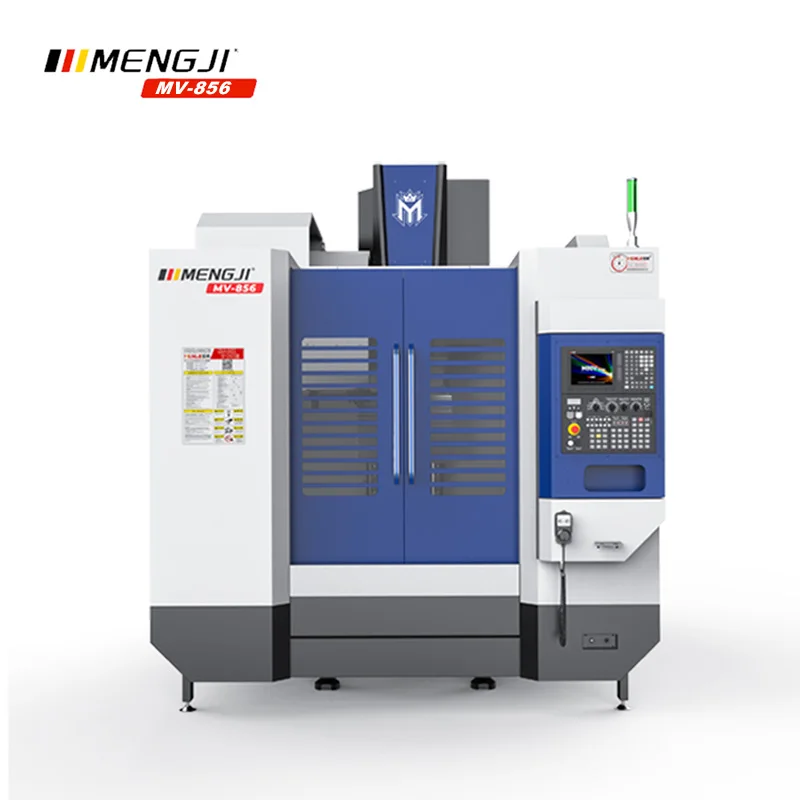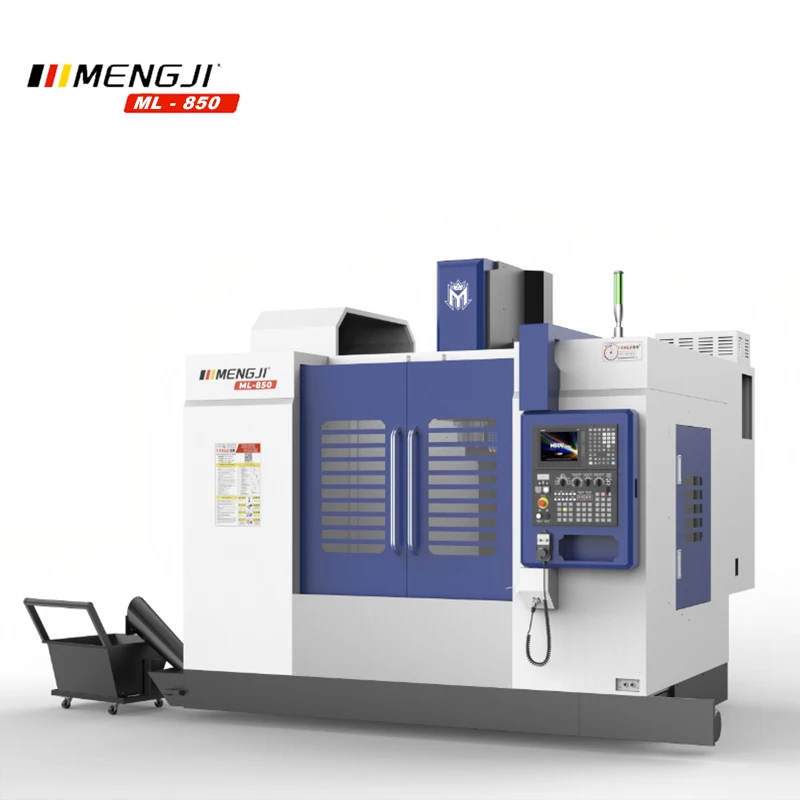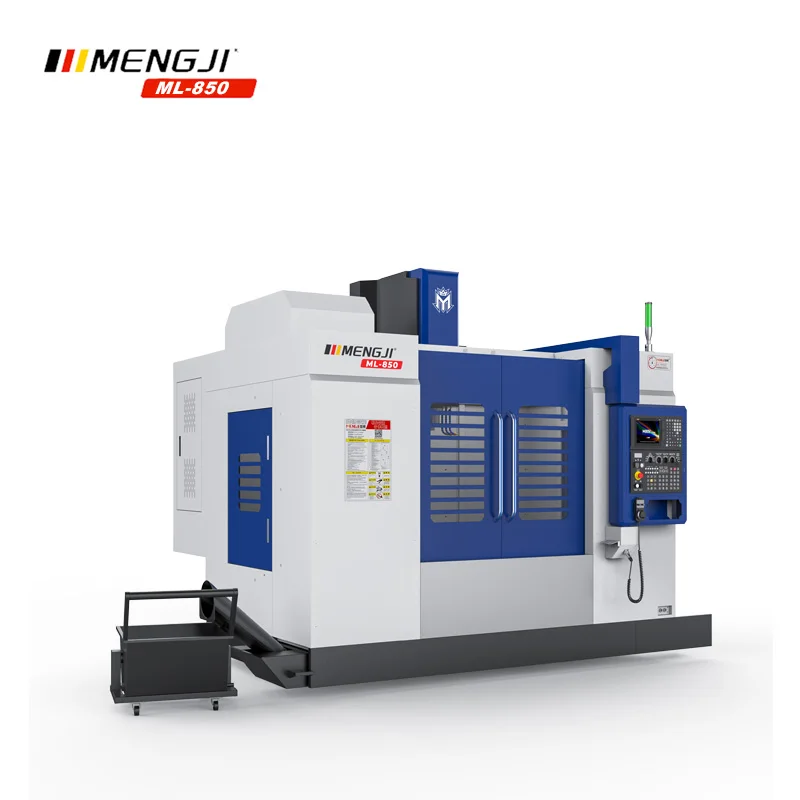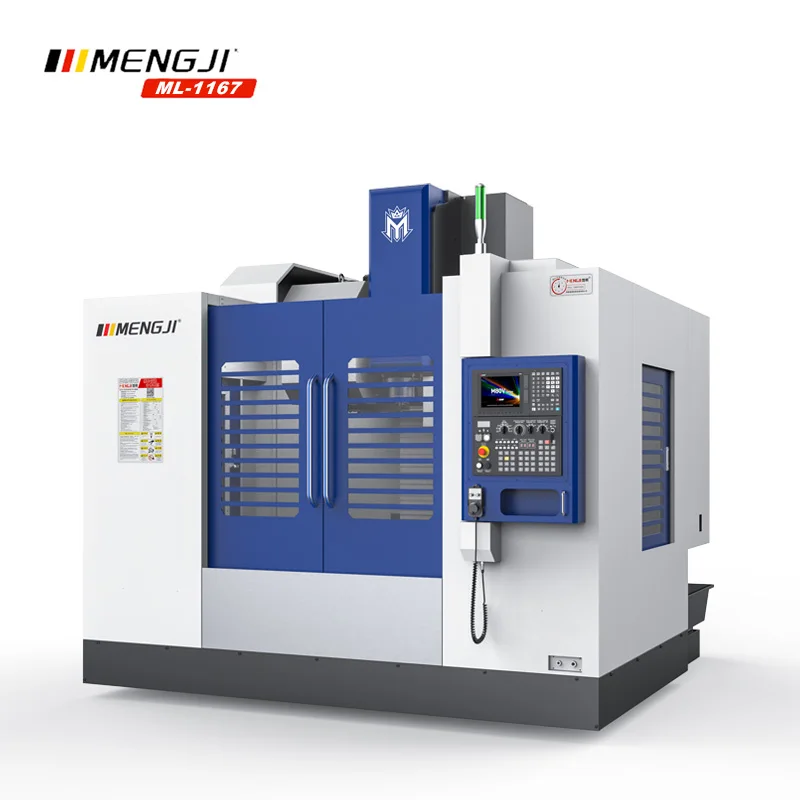
A CNC lathe represents the fundamental automation of the turning process, utilizing computer numerical control to produce rotationally symmetric parts with exceptional accuracy, repeatability, and efficiency. At its core, the operation involves a spindle that rotates the workpiece and a turret that holds cutting tools, which move along programmed paths in the X (radial) and Z (axial) axes to remove material. The evolution from manual to CNC control has revolutionized turning, enabling the creation of complex geometries that would be impractical or impossible to produce manually. Basic 2-axis CNC lathes excel at operations like facing, straight and taper turning, grooving, and thread cutting. However, the technology has advanced significantly with the advent of multi-axis turning centers. These sophisticated machines incorporate live tooling—powered rotary tools mounted on the turret—that can perform milling, drilling, and tapping operations off-center from the main spindle axis. When combined with a C-axis for precise spindle positioning, this allows for the complete machining of complex parts in a single "done-in-one" setup. Furthermore, the addition of a second, opposing spindle (sub-spindle) enables automatic part transfer to machine the back side, eliminating the need for a secondary operation. CNC lathes are controlled by sophisticated software that translates CAD models into efficient toolpaths, managing everything from spindle speed and feed rates to tool changes and coolant flow. This makes them incredibly versatile, suitable for everything from prototyping to high-volume production across virtually every manufacturing sector.
Our professional sales team is always ready to assist you.