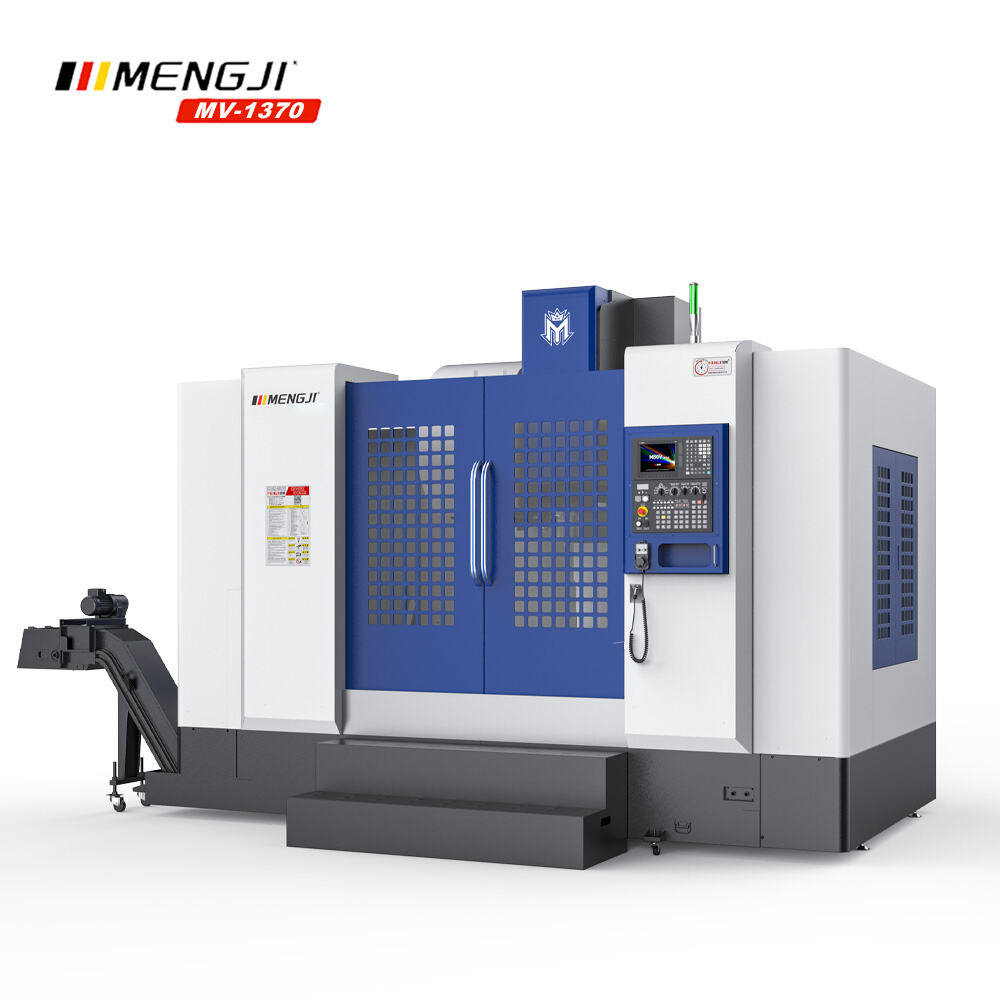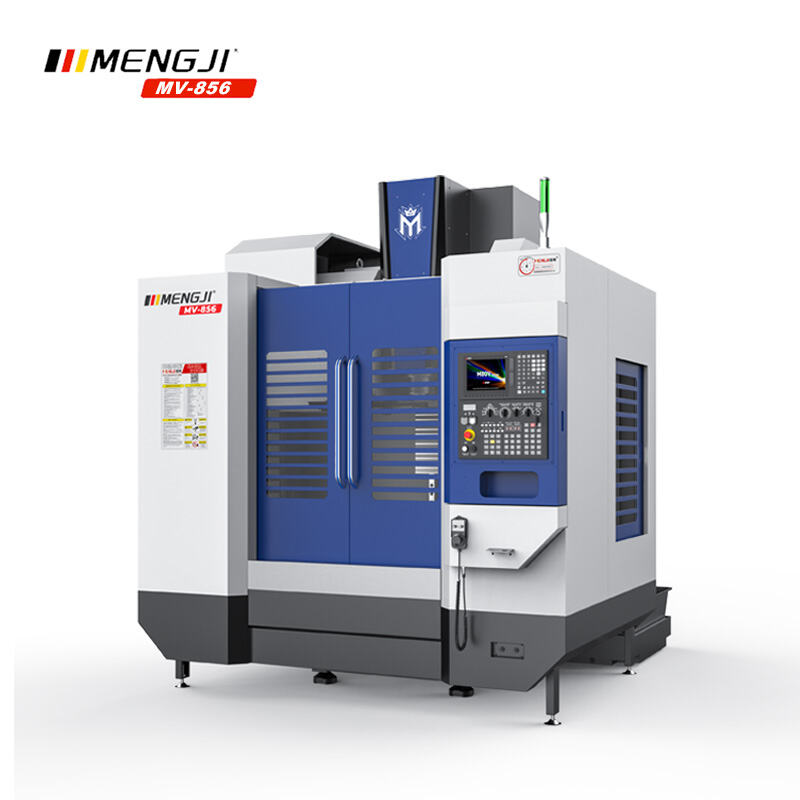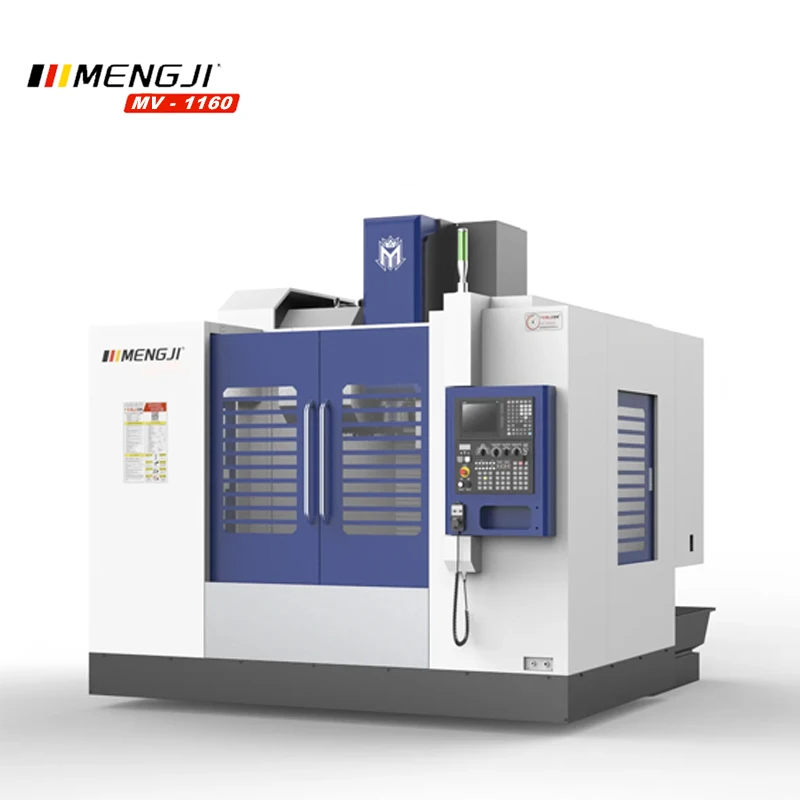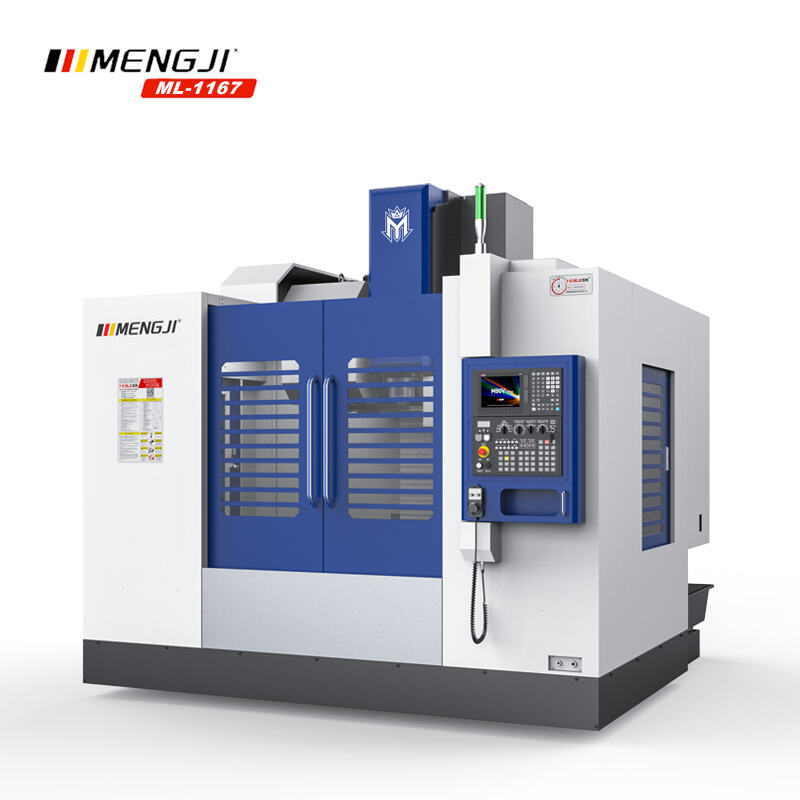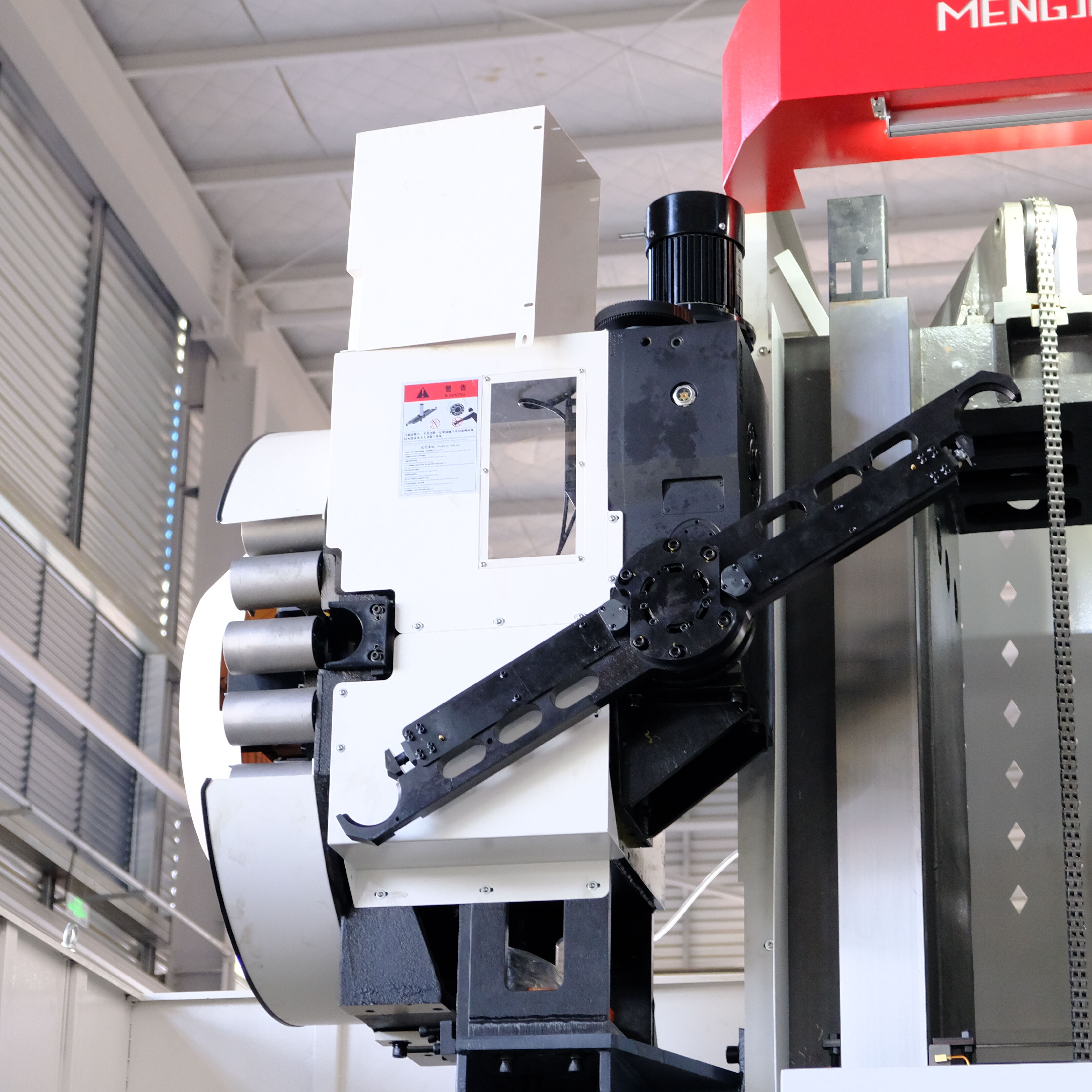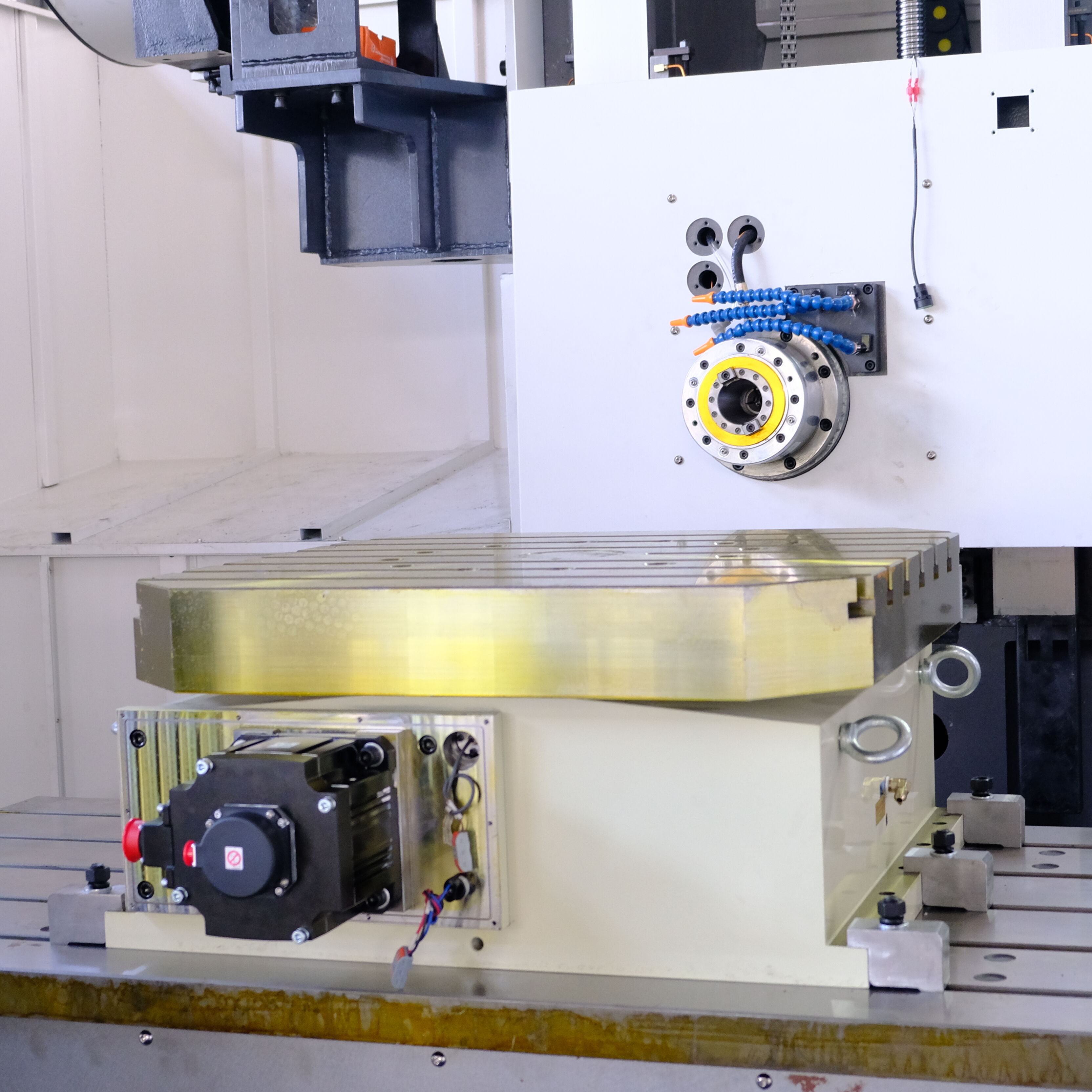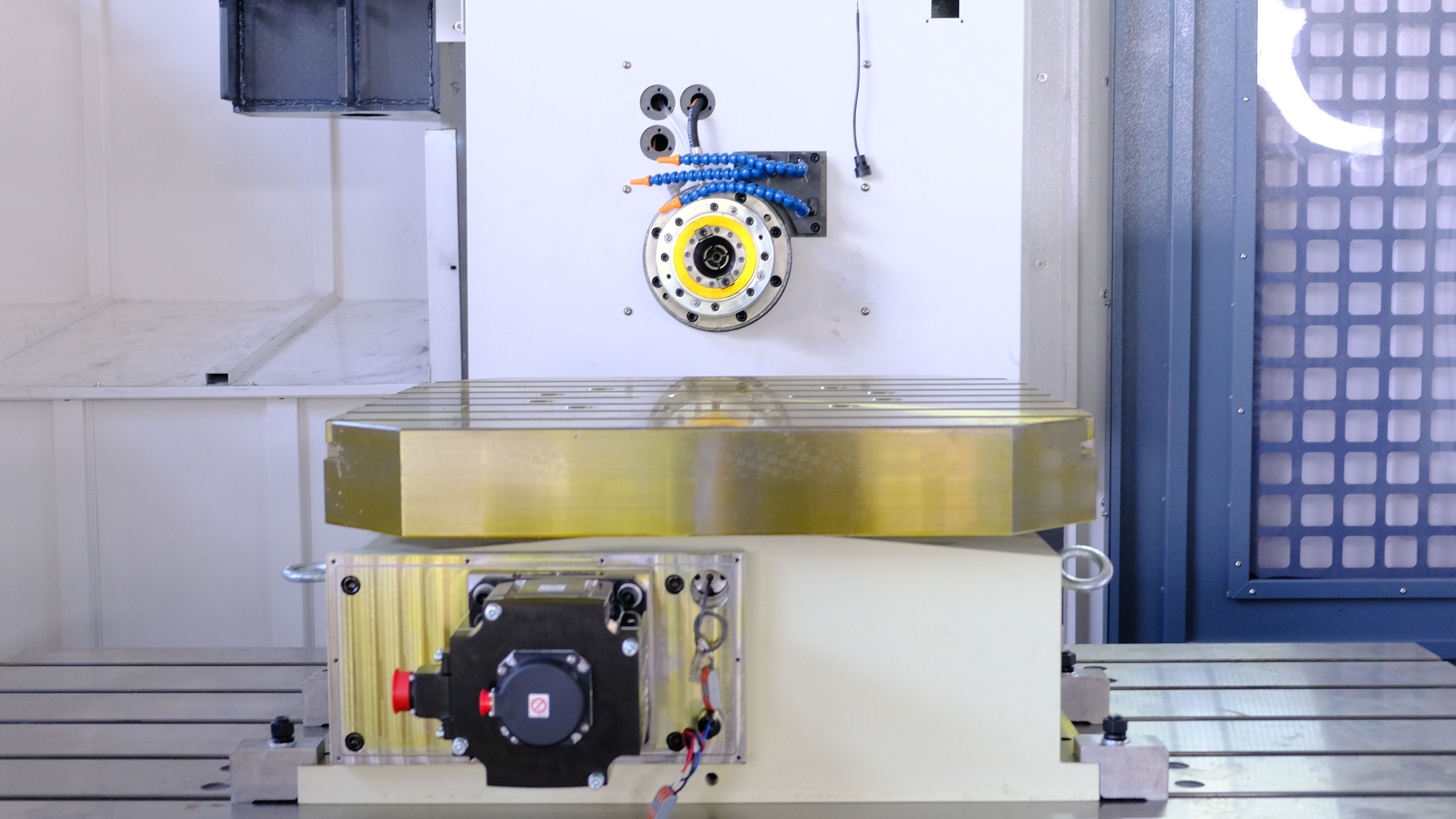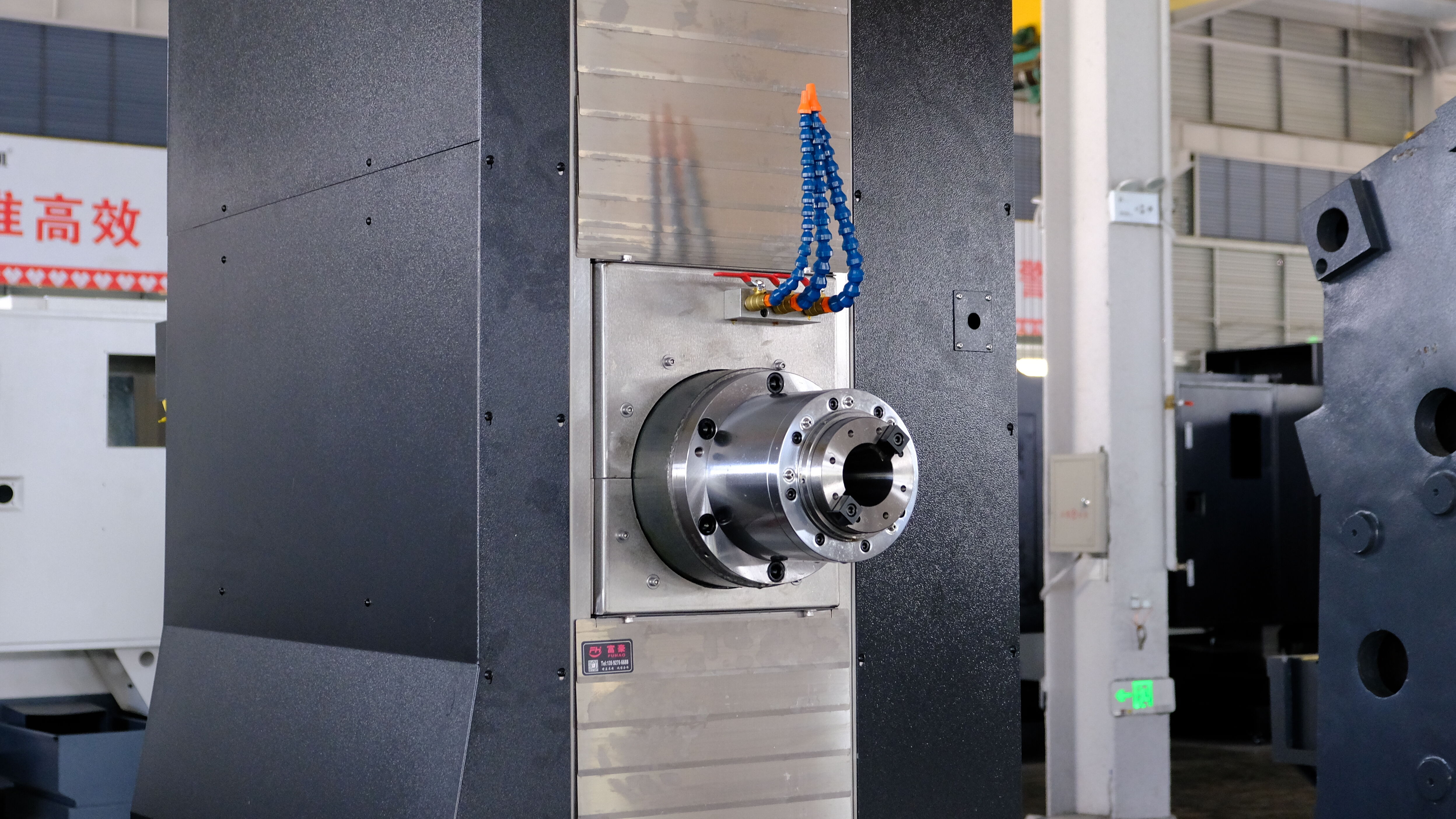
The term "lathe vertical" explicitly describes the orientation of a lathe where the workpiece rotates around a vertical axis, as opposed to the more common horizontal lathe. This configuration, embodied in the Vertical Turning Center (VTC), is engineered to overcome the challenges associated with machining large, heavy, or short workpieces. The primary advantage of the vertical orientation is the superior management of workpiece gravity. The part's weight is borne directly by the massive, stationary table, providing immense stability and minimizing the risk of deflection under heavy cutting forces. This makes the "lathe vertical" exceptionally rigid, capable of powerful cuts in tough materials. The design also revolutionizes workpiece handling. Loading a heavy disc or ring onto a horizontal table using an overhead crane is significantly simpler and safer than maneuvering it onto the spindle of a horizontal lathe. The machine's structure typically consists of a fixed table, a cross-rail that moves vertically on columns, and tool turrets that traverse the cross-rail. This setup provides the X and Z axes for tool movement. Modern "lathe vertical" machines are highly advanced, often featuring CNC control, automatic tool changers, live tooling for milling operations, and sometimes even a second spindle for complete dual-face machining. They are the preferred solution for manufacturing components like large bearings, turbine rotors, machine tool beds, and massive valve bodies, where their combination of power, stability, and ease of loading is unmatched by horizontal alternatives.
Our professional sales team is always ready to assist you.