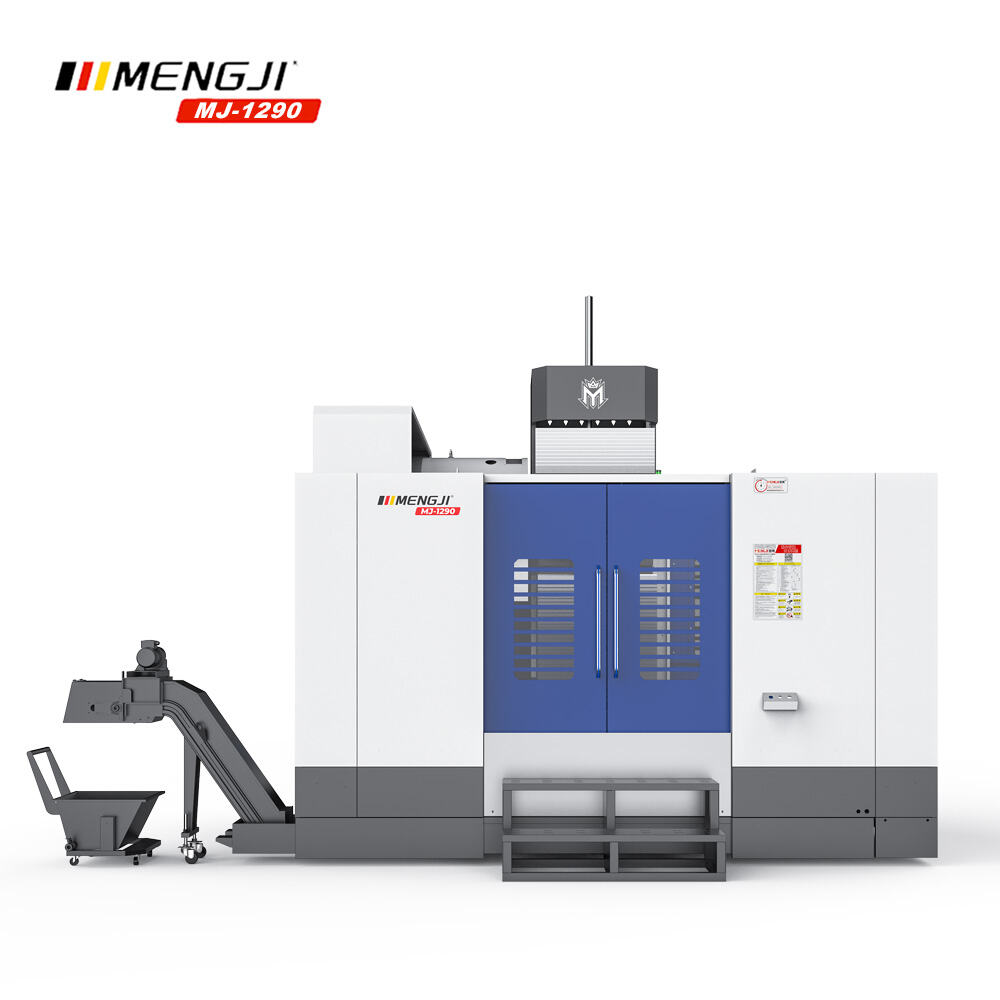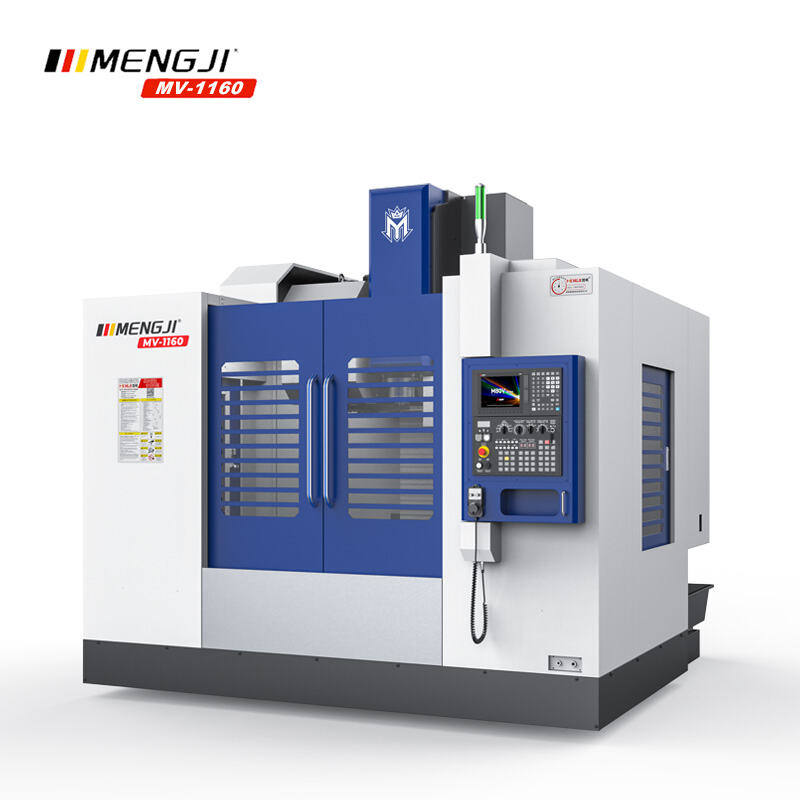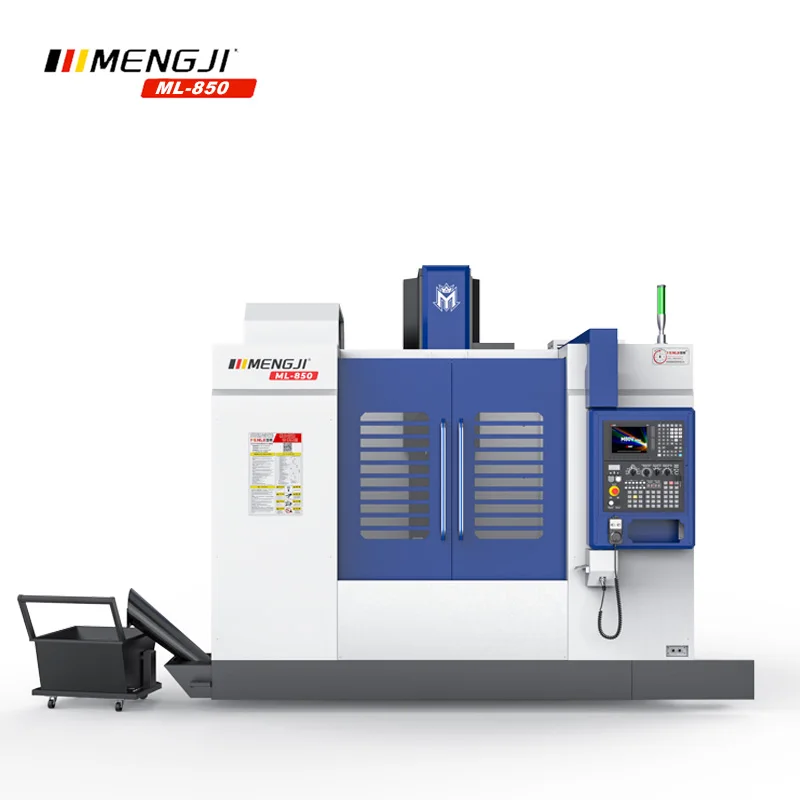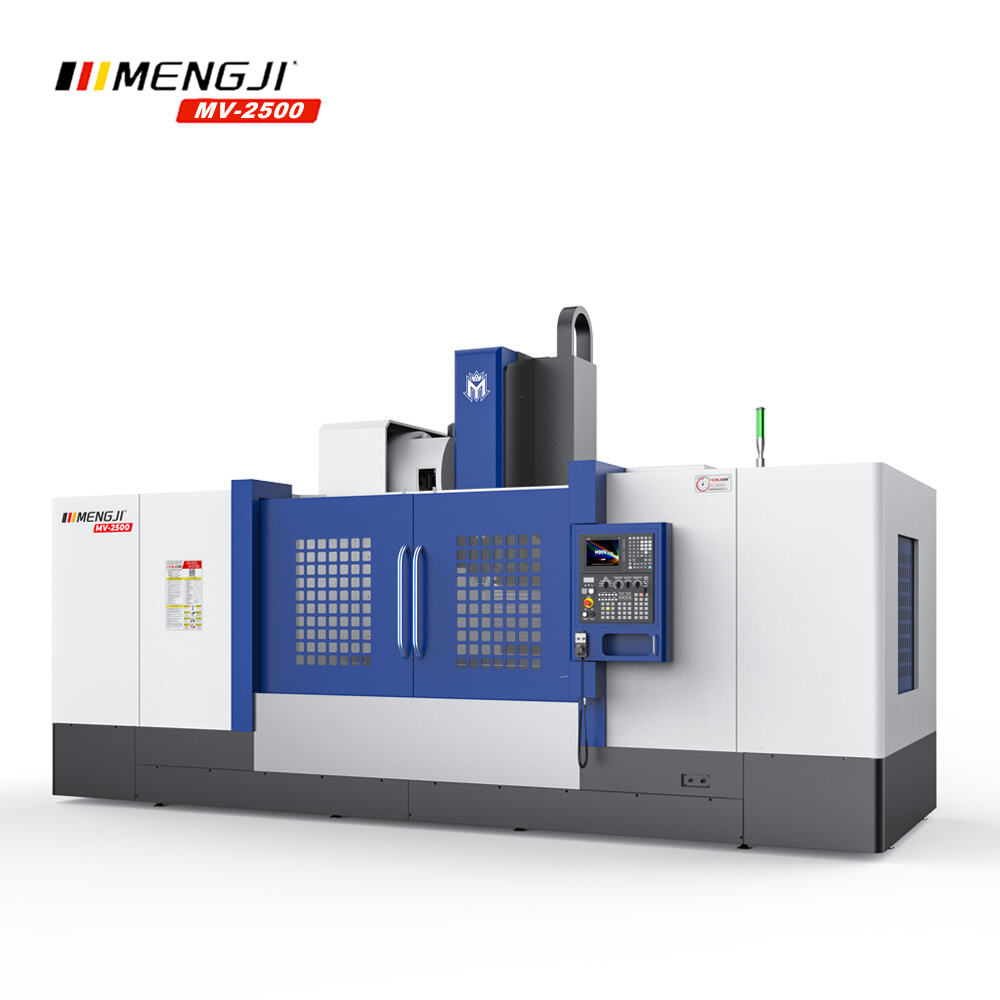
PCB milling machines are highly specialized CNC platforms designed for the prototyping and low-volume production of printed circuit boards (PCBs). Unlike chemical etching processes, these machines use a subtractive, mechanical method to create circuit traces, pads, and isolation paths directly on a copper-clad board. The process involves using very small, precision end mills (routing bits) to remove unwanted copper, thereby electrically isolating the individual circuit elements. These machines are characterized by their high resolution and accuracy, often capable of producing traces and spaces down to a few mils (thousandths of an inch), which is essential for modern, high-density electronics. They typically feature a lightweight but rigid gantry structure to ensure precise tool positioning and minimal vibration. A key requirement is a vacuum table or other effective method to hold the thin, flexible PCB substrate perfectly flat during machining. Beyond routing the copper layer, PCB milling machines can also drill all the necessary through-holes and vias, and even cut the final board outline from the larger panel. Some advanced models incorporate automatic tool changers to switch between different diameter drills and routing bits without operator intervention. While not as fast as mass-production etching for very high volumes, PCB milling offers tremendous advantages for research and development, prototyping, and specialized low-volume production, as it eliminates the need for chemicals, masks, and film, allowing for a rapid, in-house, and environmentally friendlier turnaround from design to functional board.
Our professional sales team is always ready to assist you.